The Plaza de Armas of Cusco, Peru at night

Will Cusco, Peru Take the Lead in the New 7 Wonders: City Edition?

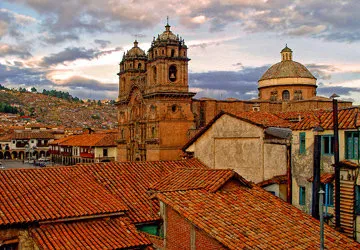
Buildings of the former Incan Imperial City of Cusco, Peru
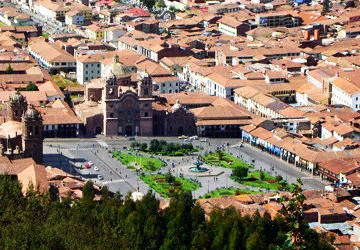
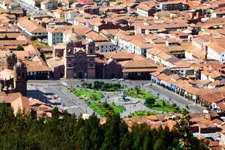
Overhead view of Cusco's Main Square
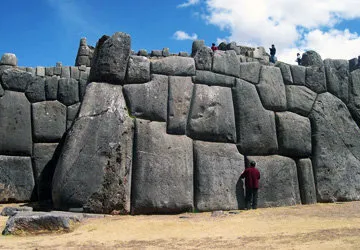
Sacsayhuaman Fortress on the outskirts of Cusco
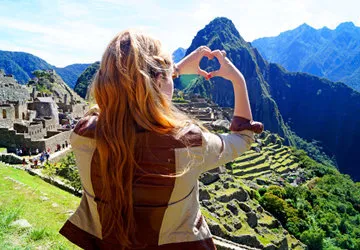
Visitors to Machu Picchu always pass through Cusco
Mini. Buildings of Cusco, Peru
cover. Overhead view of the Plaza de Armas of Cusco Peru

The former imperial capital of the Incas and UNESCO World Heritage Site, Cusco, Peru, is currently second among the 300 nominated cities for the New 7 Wonders: Cities Edition by the New 7 Wonders Foundation...

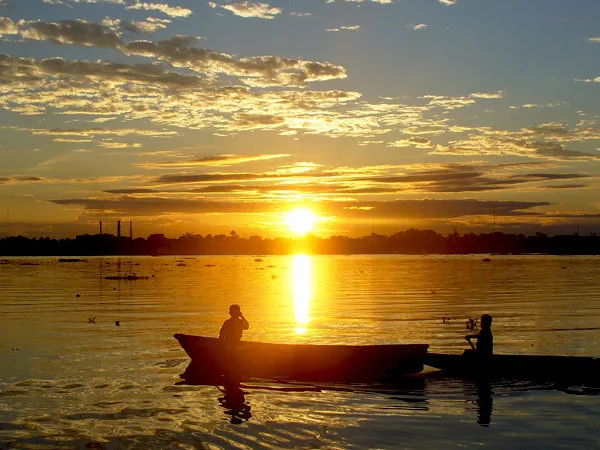
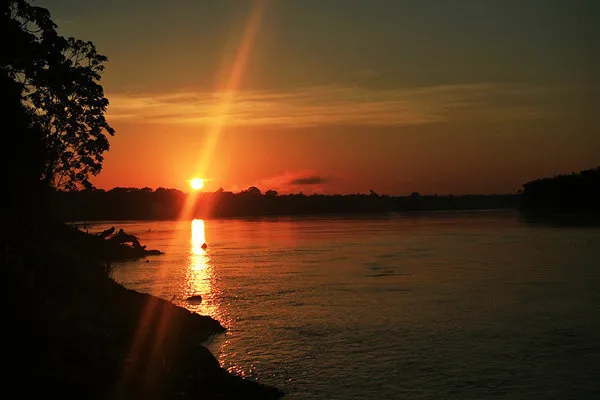
The New 7 Wonders Foundation has attracted attention in the last years for its high-profile votes, and Peru has not done poorly in the rankings. Machu Picchu was honored by becoming one of the Modern 7 Wonders of the World in 2007, while the Amazon River achieved a spot on the Natural 7 Wonders of the World list in 2011 (the plaque is housed in Iquitos, Peru, the largest city in the Peruvian Amazon, although the honor itself goes to all of the countries through which the river passes).

Over the last year and half, the foundation has been collecting votes on their New 7 Wonders: Cities edition. In January of last year, the 1,200 initially nominated cities were whittled down to 300, while The next cut takes place September 21st and will leave only 28 finalists, and the final results will be announced on July 7th.

Of the 300 cities currently in the running, Cusco, Peru is currently ranking second! The city is already a UNESCO world heritage site thanks to a grand history still showcased in the city's architecture and culture. Once serving as the imperial capital of the Inca Empire, Cusco was conquered by the Spanish Conquistadores in the 16th century. In many cases, the bases of Incan buildings were preserved, those with the politically and religiously symbolic buildings were topped with baroque churches and palaces to emphasize the new Spanish and Catholic control. Many of the sites visited during city tours fit this pattern: former Inca palaces in the Plaza de Armas are now cathedrals, the Acclahuasi (House of Chosen Women) is now the Convent of Santa Catalina, and Qoricancha (the Sun Temple and religious center of Cusco) is now topped with the Convent of Santo Domingo. Other sites, such as the temple of Sacsayhuaman, remain to this day, although not in their entirety.

Because it acts as a base for travelers en route to Aguas Calientes and Machu Picchu, Cusco's profile and popularity has risen greatly in the last years.

You can take part in the vote by visiting new7wonders.com.


The former imperial capital of the Incas and UNESCO World Heritage Site, Cusco, Peru, is currently second among the 300 nominated cities for the New 7 Wonders: Cities Edition by the New 7 Wonders Foundation...

The New 7 Wonders Foundation has attracted attention in the last years for its high-profile votes, and Peru has not done poorly in the rankings. Machu Picchu was honored by becoming one of the Modern 7 Wonders of the World in 2007, while the Amazon River achieved a spot on the Natural 7 Wonders of the World list in 2011 (the plaque is housed in Iquitos, Peru, the largest city in the Peruvian Amazon, although the honor itself goes to all of the countries through which the river passes).

Over the last year and half, the foundation has been collecting votes on their New 7 Wonders: Cities edition. In January of last year, the 1,200 initially nominated cities were whittled down to 300, while The next cut takes place September 21st and will leave only 28 finalists, and the final results will be announced on July 7th.

Of the 300 cities currently in the running, Cusco, Peru is currently ranking second! The city is already a UNESCO world heritage site thanks to a grand history still showcased in the city's architecture and culture. Once serving as the imperial capital of the Inca Empire, Cusco was conquered by the Spanish Conquistadores in the 16th century. In many cases, the bases of Incan buildings were preserved, those with the politically and religiously symbolic buildings were topped with baroque churches and palaces to emphasize the new Spanish and Catholic control. Many of the sites visited during city tours fit this pattern: former Inca palaces in the Plaza de Armas are now cathedrals, the Acclahuasi (House of Chosen Women) is now the Convent of Santa Catalina, and Qoricancha (the Sun Temple and religious center of Cusco) is now topped with the Convent of Santo Domingo. Other sites, such as the temple of Sacsayhuaman, remain to this day, although not in their entirety.

Because it acts as a base for travelers en route to Aguas Calientes and Machu Picchu, Cusco's profile and popularity has risen greatly in the last years.

You can take part in the vote by visiting new7wonders.com.


News, routes, and expert tips

Explore the latest from our Cusco travel blog. Get practical guides, Machu Picchu updates, and fresh trekking and culture recommendations. Everything you need to travel Cusco safely and stylishly in 2026. Your next Andean story starts here!

The festival starting Monday 28th that isn't touristy: San Jerónimo, 5 days

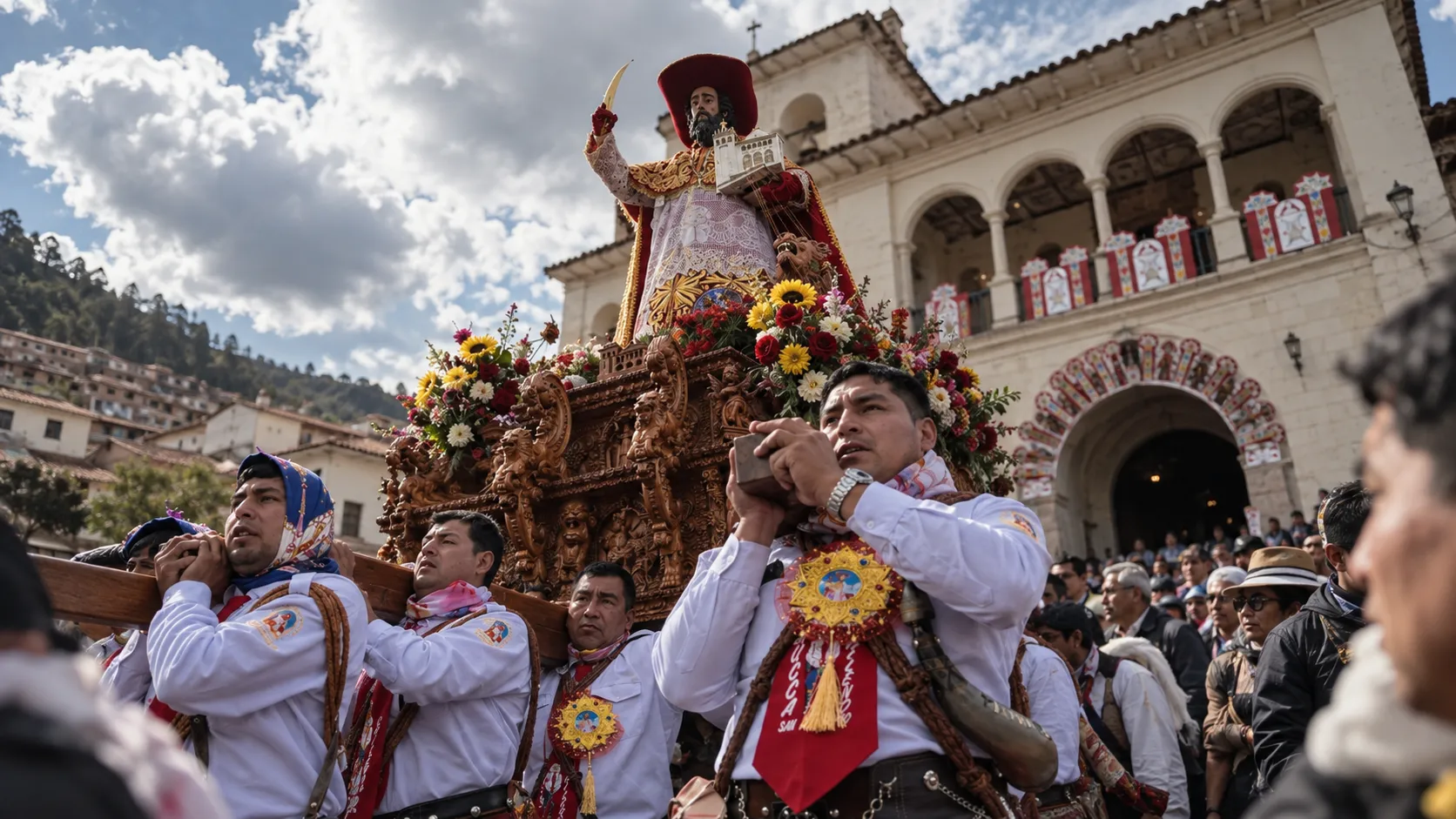
Just 11 kilometers from the Plaza de Armas, the historic district of San Jerónimo celebrates its patron saint every late September: 5 days of processions, 26+ dance troupes, a food fair, and a 16th-century church built on an Inca huaca. In 2016, it was declared Cultural Heritage of the Nation. Most tourists don't know it exists; many young locals don't either. This year it starts on Monday, September 28, with the main day on Wednesday 30.

1,500 young people in Sacsayhuamán competing as they did 500 years ago

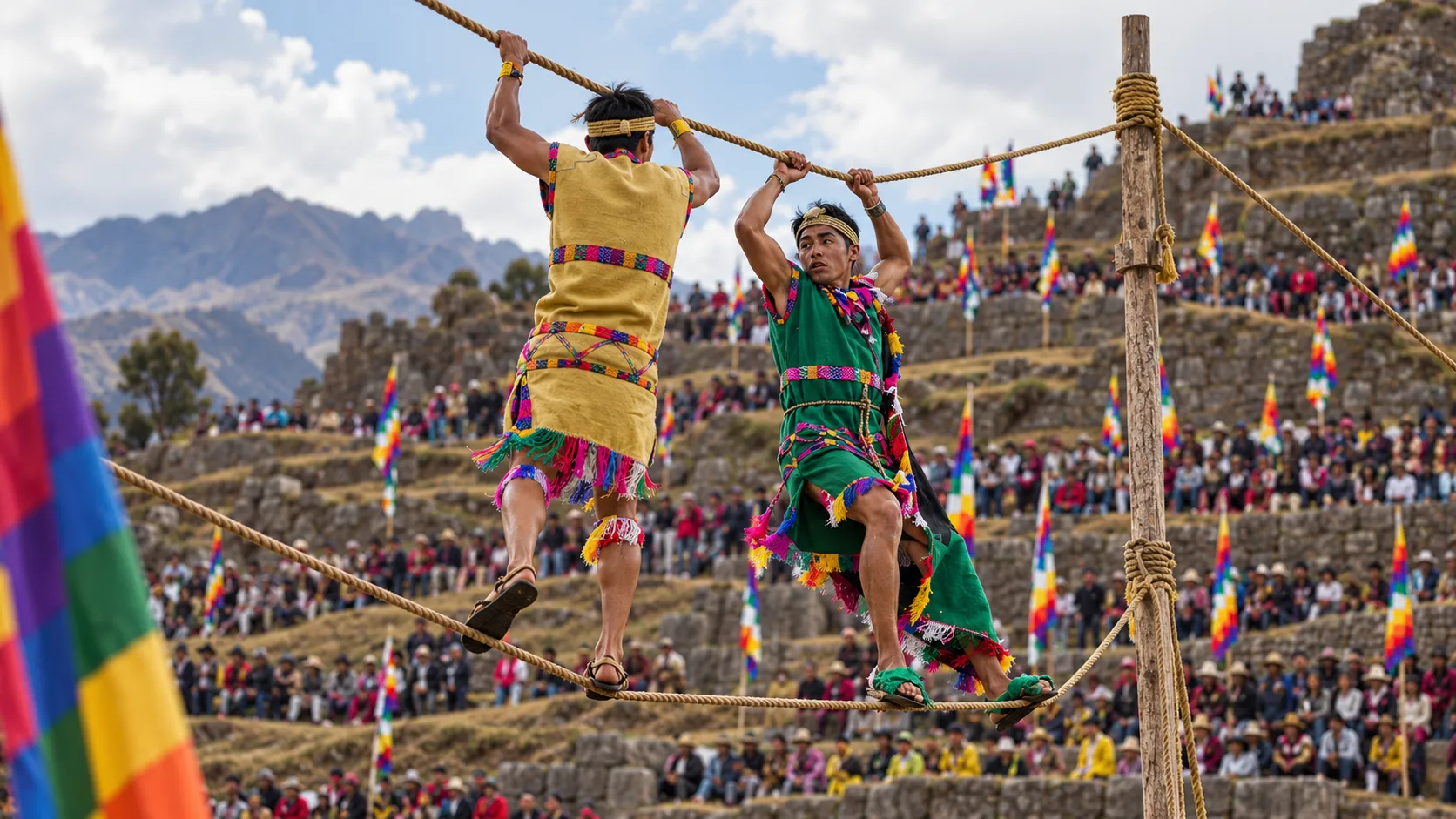
Third Sunday of September. 9 a.m. The pututos sound and 1,500 students from the National School of Sciences of Cusco set off in procession from their school to the Sacsayhuamán esplanade. They are going to compete — for real — in speed, strength, and endurance tests that replicate those the Tahuantinsuyo used to determine who was ready for adulthood. It is not a choreography. It is the Warachicuy, and in 2025 it was declared a Cultural Interest.

48 km on foot: How to reach the Señor de Huanca in Cusco

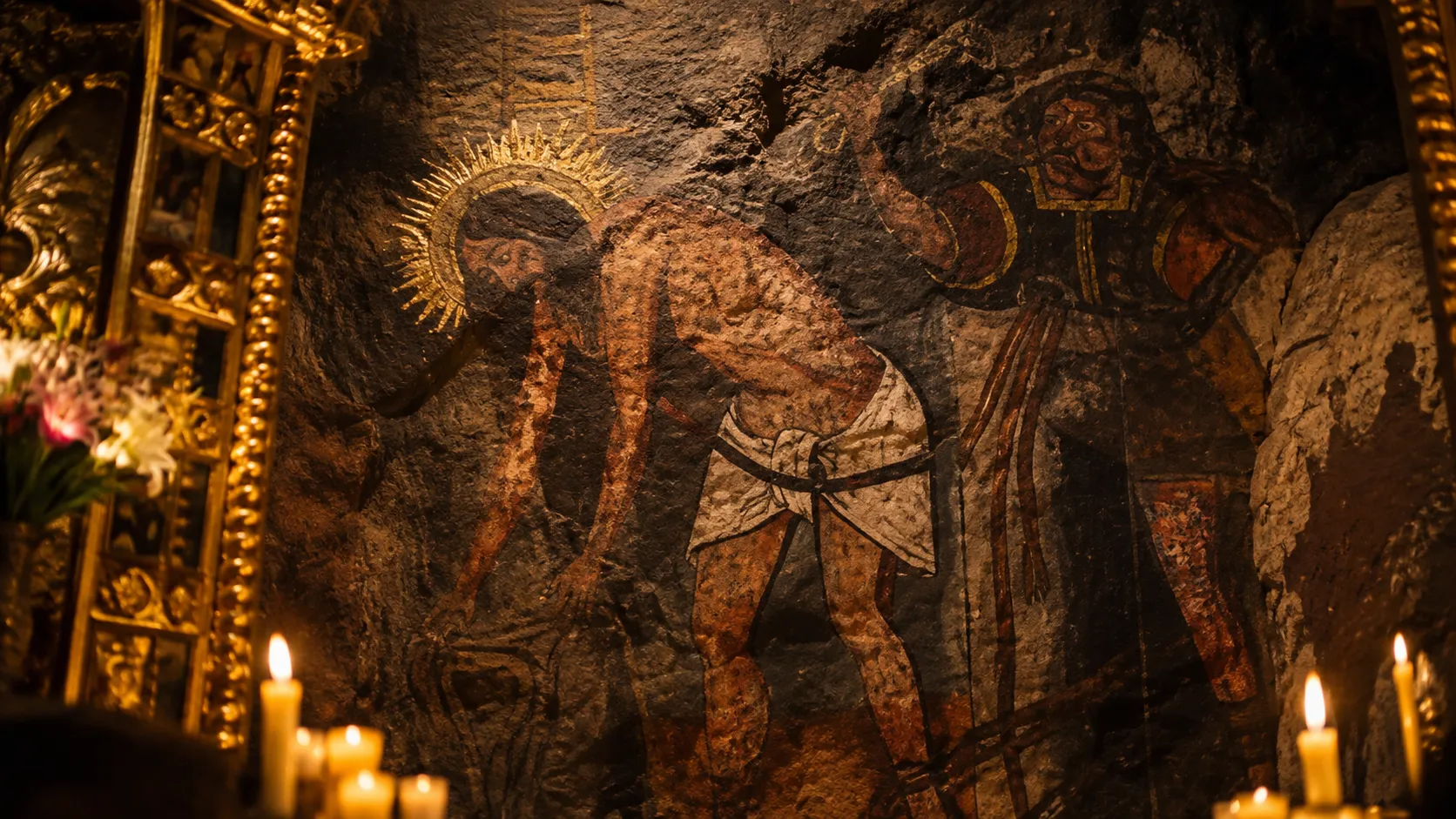
Every September 14, thousands of people walk 48 kilometers from the city of Cusco to the sanctuary of the Señor de Huanca, in the district of San Salvador, province of Calca, at 3,100 m.a.s.l. It is neither a tourist trekking trip nor an organized tour: it is a genuine pilgrimage that sets off at night from San Jerónimo and arrives at dawn on the main day. Here we explain the route, what it physical demands, and why this tradition continues to draw devotees from all over Peru and neighboring countries.

Are you planning to visit
Machu Picchu in 2026?

We would like to inform our travelers that availability for Circuit 1 and 2 for the months of September, October and November is at 85% of capacity. We recommend booking at least 3 months in advance.

New Circuits and Routes

The Ministry of Culture has consolidated the three main tours. As of 2026, Tour 2 (The Royal Route) remains the only one that allows visitors to take the classic photo from the Guardian’s House. We have adapted all our packages to ensure this access.

Digital Check-In and Biometric Verification

Say goodbye to long check-in lines! Starting this season, entry is faster thanks to the new digital check-in system. Our packages include full management of your personalized tickets to prevent errors on the state platform.

Circuit Ideal for... Clasic photo Difficulty
Circuit 1 (Panoramic) High views and photo posts Yes Low
Circuit 2 (Andean) Complete circuit through the ruins Yes Medium
Circuit 3 (Reality) Persons or reduced movement No Very low

Ask about our Machu Picchu packages

Explore the best of our land

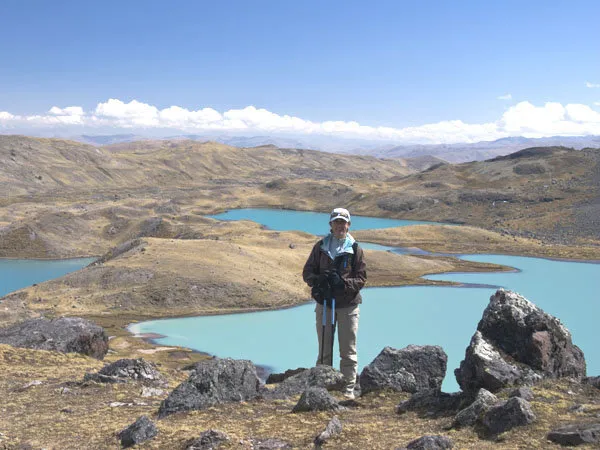
Explore the breathtaking diversity of the Central Andes. From ancient archaeological wonders and surreal high-altitude landscapes to world-class gastronomy and Amazonian adventures, our updated 2026 guides showcase the very best of this premier global destination.