Hiking the Inca Trail to Machu Picchu in Peru

Unesco Declares the Inca Trail a World Heritage Site

Hiking the Inca Trail to Machu Picchu in Peru
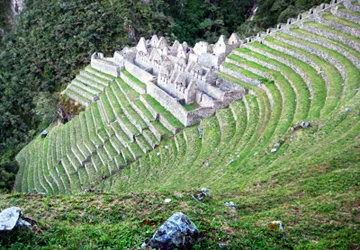
Wiñay Wayna along the Inca Trail to Machu Picchu
Hiking the Inca Trail to Machu Picchu in Peru

After an impressive campaign by the 6 countries which it unites, the Incan Qhapaq Ñan (Quechua for Royal Road) has been added to Unesco's list of World Heritage sites. Peru, Argentina, Bolivia, Chile, Colombia, and Ecuador all cooperated to present what's commonly known as the Inca Trail as a candidate.

After an impressive campaign by the 6 countries which it unites, the Incan Qhapaq Ñan (Quechua for Royal Road) has been added to Unesco's list of World Heritage sites. Peru, Argentina, Bolivia, Chile, Colombia, and Ecuador all cooperated to present what's commonly known as the Inca Trail as a candidate.

Connecting Cusco with all of its territories, the Qhapaq Ñan eased communication with the many peoples of the empire, and served as a means of integration as much political as administrative, socioeconomic, and cultural.

Although the segment known as the Classic 4-Day Inca Trail to Machu Picchu is now the most famous hike in the world, this ancient road network actually spans more than three thousand miles in its stretch from Quito, Ecuador, to Tucuman, Argentina. It managed to link the snowy Andean peaks with otherworldly cloud forests, subtropical jungle, and some of the driest deserts in the world.

"This is a recognition of these six countries historical richness, joined historically by this system of roads, that was crossed a complex geography along the ridge of the Andes, with monumental pathways and thanks to the management of Incas construction techniques," enthused Ambassador Juan Federico Jimenez, Peru's representative to the Organization of American States.

Parts of the trail display clever engineering, as the Incas had to create channels to avoid flooding in the jungle and to tunnel through mountains in the Andes. The most scenic parts feature original Inca paving and steps. Along the trail, one also still finds the remains of temples, fortresses, agricultural terraces, astronomical observatories, inns and rest stops, and storage towers for produce. Some parts of the trail are interrupted by large cities, but much of it continues to this day.

This is the first time that six countries have presented a single proposal to the World Heritage Committee, which the participants spent years preparing.
After an impressive campaign by the 6 countries which it unites, the Incan Qhapaq Ñan (Quechua for Royal Road) has been added to Unesco's list of World Heritage sites. Peru, Argentina, Bolivia, Chile, Colombia, and Ecuador all cooperated to present what's commonly known as the Inca Trail as a candidate.

After an impressive campaign by the 6 countries which it unites, the Incan Qhapaq Ñan (Quechua for Royal Road) has been added to Unesco's list of World Heritage sites. Peru, Argentina, Bolivia, Chile, Colombia, and Ecuador all cooperated to present what's commonly known as the Inca Trail as a candidate.

Connecting Cusco with all of its territories, the Qhapaq Ñan eased communication with the many peoples of the empire, and served as a means of integration as much political as administrative, socioeconomic, and cultural.

Although the segment known as the Classic 4-Day Inca Trail to Machu Picchu is now the most famous hike in the world, this ancient road network actually spans more than three thousand miles in its stretch from Quito, Ecuador, to Tucuman, Argentina. It managed to link the snowy Andean peaks with otherworldly cloud forests, subtropical jungle, and some of the driest deserts in the world.

"This is a recognition of these six countries historical richness, joined historically by this system of roads, that was crossed a complex geography along the ridge of the Andes, with monumental pathways and thanks to the management of Incas construction techniques," enthused Ambassador Juan Federico Jimenez, Peru's representative to the Organization of American States.

Parts of the trail display clever engineering, as the Incas had to create channels to avoid flooding in the jungle and to tunnel through mountains in the Andes. The most scenic parts feature original Inca paving and steps. Along the trail, one also still finds the remains of temples, fortresses, agricultural terraces, astronomical observatories, inns and rest stops, and storage towers for produce. Some parts of the trail are interrupted by large cities, but much of it continues to this day.

This is the first time that six countries have presented a single proposal to the World Heritage Committee, which the participants spent years preparing.
News, routes, and expert tips

Explore the latest from our Cusco travel blog. Get practical guides, Machu Picchu updates, and fresh trekking and culture recommendations. Everything you need to travel Cusco safely and stylishly in 2026. Your next Andean story starts here!

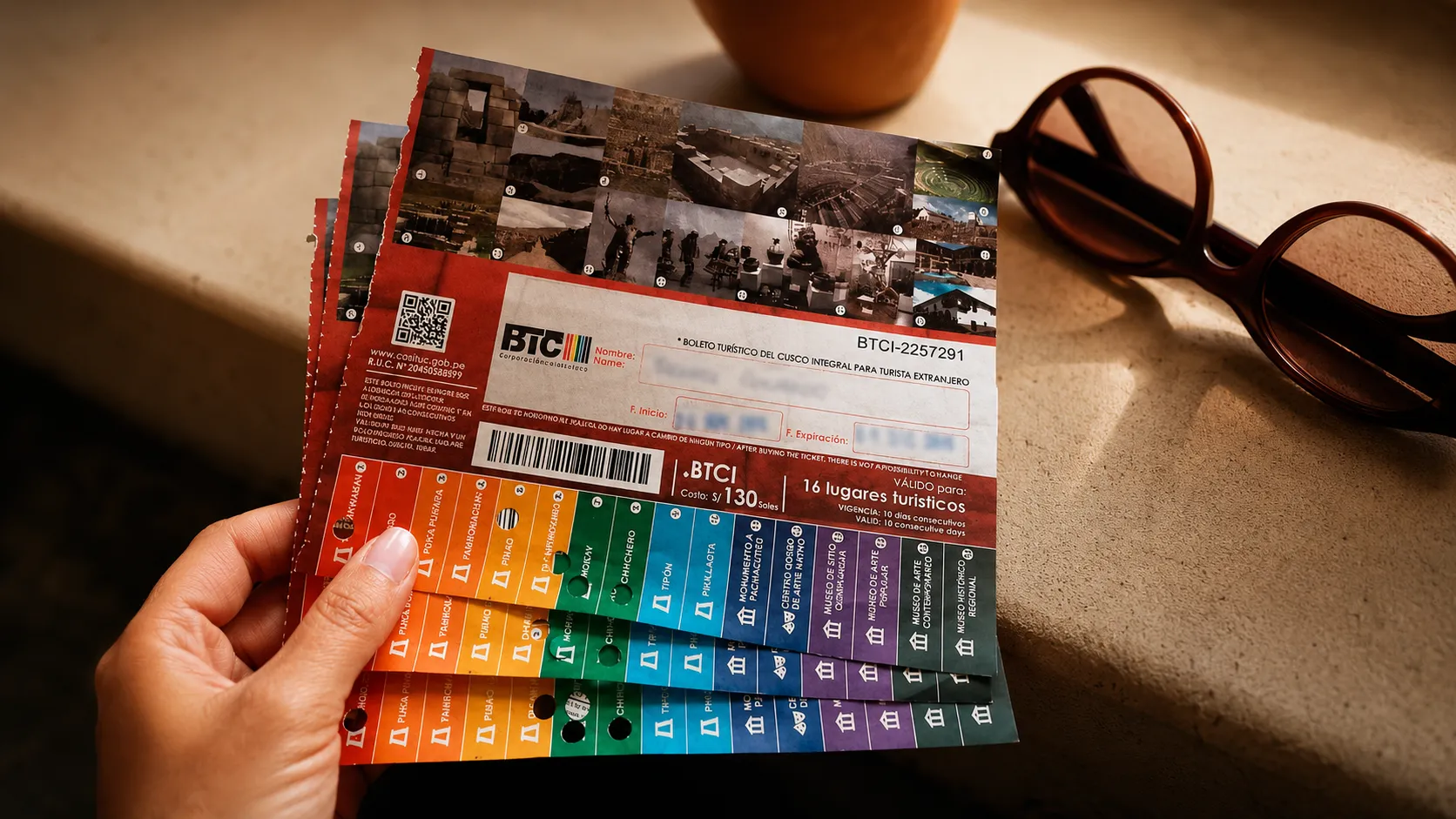
Inca World Travel Your ticket to Machu Picchu cannot be lent: What you need to know before the holiday

With the national holiday on August 6 (Battle of Junín) right around the corner, many travelers are organizing last-minute visits to Machu Picchu. Before buying, there is a rule that causes more trouble than it seems: the ticket is personal, unique, and non-transferable. Learn how this rule works at the checkpoint, why you cannot give your ticket away, and how to avoid inconveniences to enjoy your trip to the sanctuary with complete peace of mind.

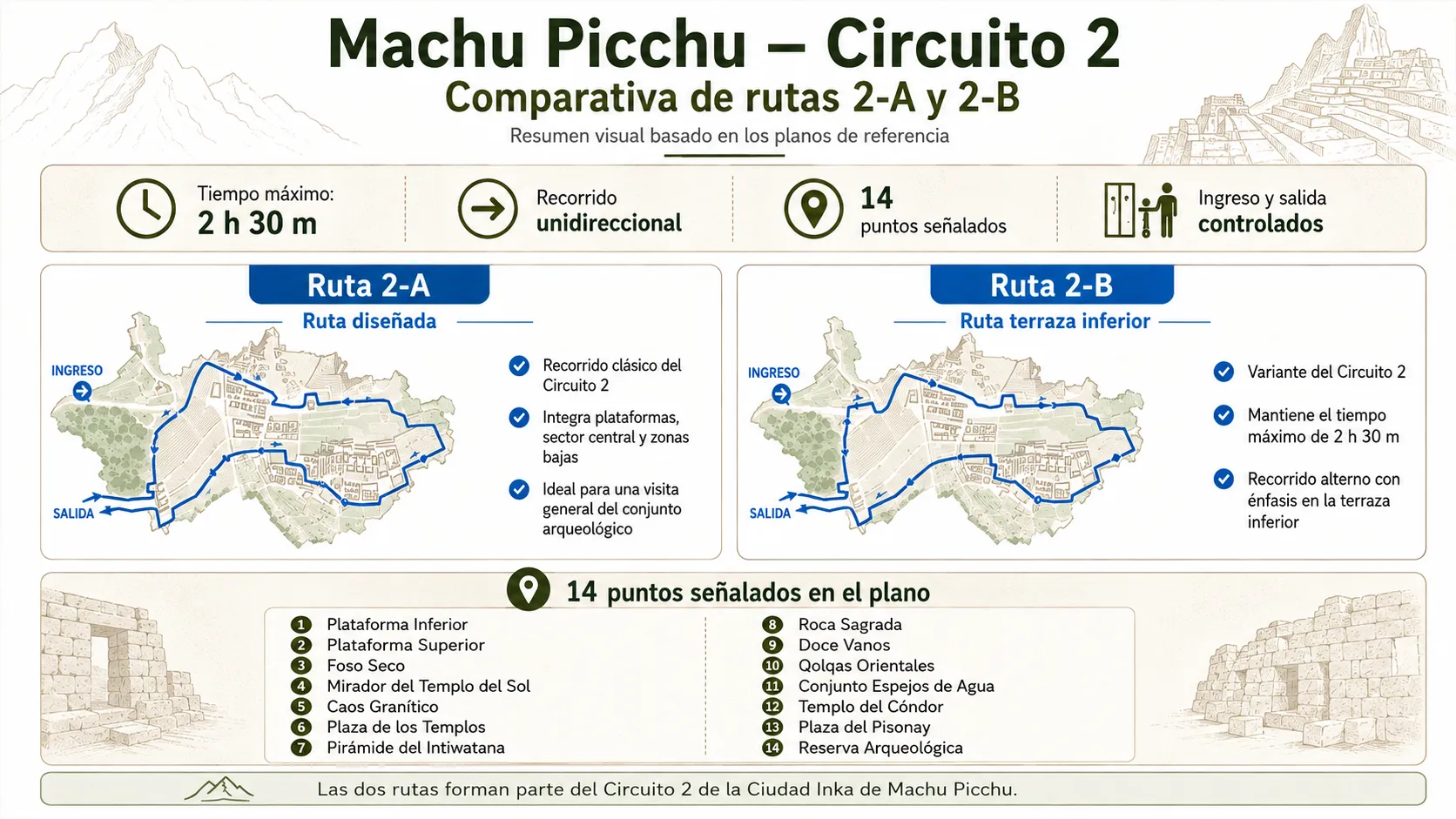
Inca World Travel Official Machu Picchu Circuits and Routes Guide 2026: How to Choose Your Ideal Ticket

Choosing your entry ticket to Machu Picchu is no longer just buying a simple ticket; it is selecting a strategic route for your trip. The official system organizes the citadel into 3 main circuits with 10 route variants tailored to different traveler profiles. From the classic panoramic photo to the ascent of Huayna Picchu or the legendary Inca Trail, understanding how each circuit works is key to avoiding inconveniences and securing your spot in advance on the official platform.

Inca World Travel Seven Natural Wonders Hidden By Peru Discover Now

Ready to explore beyond Machu Picchu? Discover the 7 natural wonders of Peru, a country brimming with hidden ecological treasures. From deep turquoise lagoons and the famous rainbow mountain of colors to surreal stone forests and vast rivers, these stunning destinations are waiting for you. Get ready to dive into the raw, untouched beauty of South America!

Are you planning to visit
Machu Picchu in 2026?

We would like to inform our travelers that availability for Circuit 1 and 2 for the months of September, October and November is at 85% of capacity. We recommend booking at least 3 months in advance.

New Circuits and Routes

The Ministry of Culture has consolidated the three main tours. As of 2026, Tour 2 (The Royal Route) remains the only one that allows visitors to take the classic photo from the Guardian’s House. We have adapted all our packages to ensure this access.

Digital Check-In and Biometric Verification

Say goodbye to long check-in lines! Starting this season, entry is faster thanks to the new digital check-in system. Our packages include full management of your personalized tickets to prevent errors on the state platform.

Circuit Ideal for... Clasic photo Difficulty
Circuit 1 (Panoramic) High views and photo posts Yes Low
Circuit 2 (Andean) Complete circuit through the ruins Yes Medium
Circuit 3 (Reality) Persons or reduced movement No Very low

Ask about our Machu Picchu packages

Explore the best of our land

Explore the breathtaking diversity of the Central Andes. From ancient archaeological wonders and surreal high-altitude landscapes to world-class gastronomy and Amazonian adventures, our updated 2026 guides showcase the very best of this premier global destination.