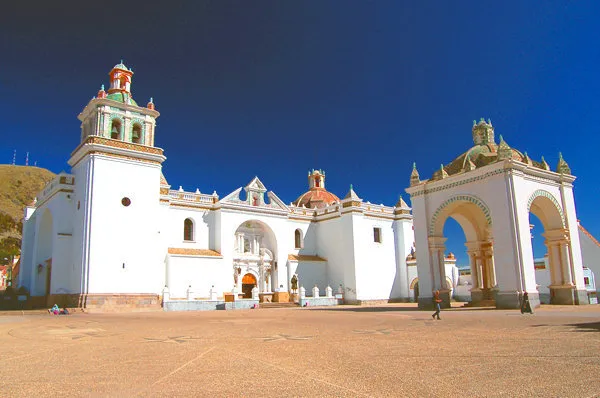
The Virgin of Candelaria Festival in Copacabana, each August and February
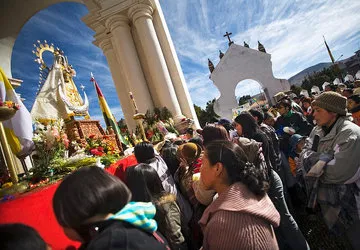
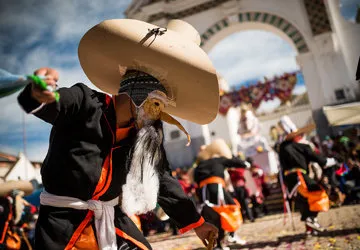

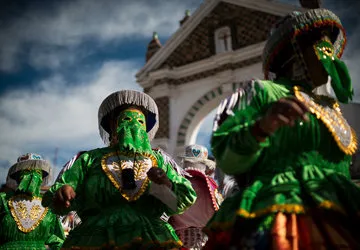
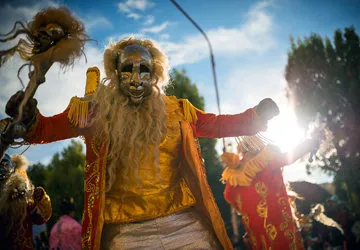
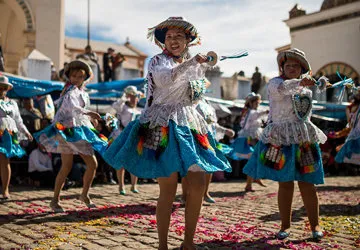
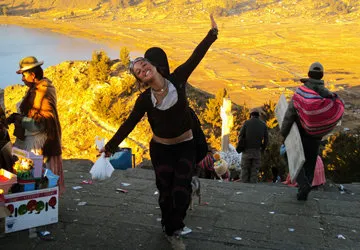
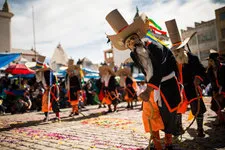
The Festival of the Virgin of Candelaria is celebrated in Copacabana twice a year, on Feb 2nd & Aug 5th. It's marked by folkloric parades with live music and vibrantly costumed dancers, religious processions combined with drunken street parties and feasting, shamans selling fortunes along streets lined with new vehicles festooned with streamers and presented for blessing with beer. It's a fun and fascinating time to be a tourist in Copacabana!
Published on 21-07-2014, por Inca World
The Festival of the Virgin of Candelaria is celebrated in Copacabana twice a year, on Feb 2nd and Aug 5th. On both days, the event is marked by folkloric parades with live music and vibrantly costumed dancers, religious processions combined with drunken street parties and feasting, shamans selling fortunes along streets lined with new vehicles festooned with streamers and presented for blessing with beer. Religious jubilation is everywhere, although it's not expressed in the pious ways one might expect…Overall, it's a fun and fascinating time to be a tourist in Copacabana.
The Virgin of Candelaria's been considered the patron of Bolivia since being crowned the "Queen of the Nation" in 1925, but her cult in Copacabana dates back to the 1500s, when local Anansayas decided to found a brotherhood in honor of the Virgin, motivated by poor harvests. It's one of the oldest sanctuaries dedicated to Mary in the Americas (together with that of Guadalupe in Mexico). Since the founding of the sanctuary, she's had an illustrious career, having been awarded the rank of General in the National Police Corps and of Admiral in the Bolivian Navy!
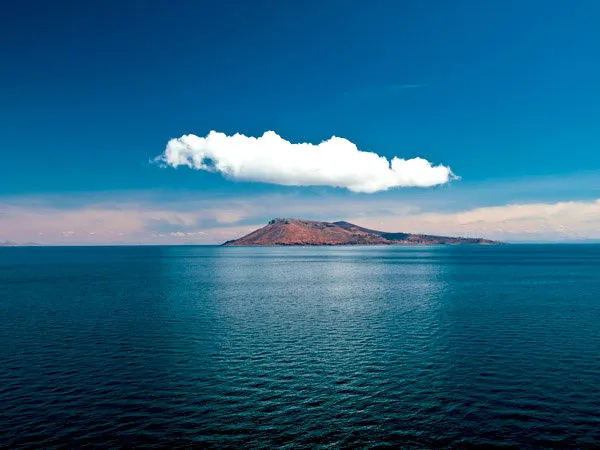
Dusty Copacabana itself is a relaxed town firmly ensconced on the backpacker trail thanks to its proximity to Lake Titicaca's Islands of the Sun and Moon (scenic sites which were considered sacred by the Aymara and Inca). It is located 86 miles from La Paz, from where visitors arrive by bus each day. Some pilgrims actually walk from La Paz to Copacanaba's Calvary Hill during this time, in penance. (Other travelers approach Copacabana from Puno on the other side of Lake Titicaca- check here for information about crossing the border.)
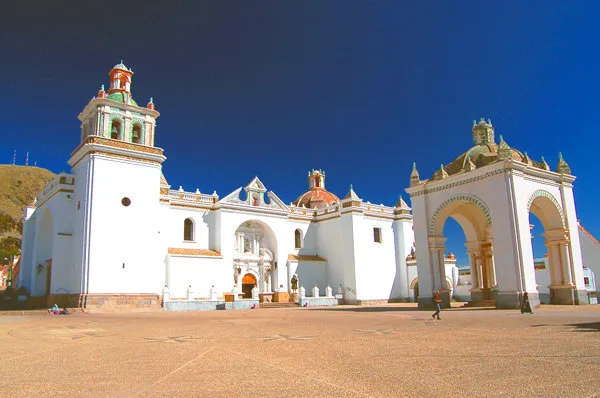
A man named Tito Yupanki carved the town's statue, which early on earned a reputation for working miracles. For processions, a replica is used, as supposedly, if the real statue is removed from her sanctuary, the impressive domed Basilica which takes up an entire block, Lake Titicaca will rise up and flood the town in protest.
The statue's dressed in the sumptuous robes an Inca princess, adorned with jewels which have been stolen numerous times in the last few years, and crowned by a long mantle of real human hair. She holds a child that looks like it might fall, and a basket with doves.
While in town, make sure to enjoy the outstanding views from Calvary Hill, where the Stations of the Cross are: it looks over the entire town as well as Lake Titicaca and the nearby islands.
The Festival of the Virgin of Candelaria is celebrated in Copacabana twice a year, on Feb 2nd & Aug 5th. It's marked by folkloric parades with live music and vibrantly costumed dancers, religious processions combined with drunken street parties and feasting, shamans selling fortunes along streets lined with new vehicles festooned with streamers and presented for blessing with beer. It's a fun and fascinating time to be a tourist in Copacabana!
Published on 21-07-2014, por Inca World
The Festival of the Virgin of Candelaria is celebrated in Copacabana twice a year, on Feb 2nd and Aug 5th. On both days, the event is marked by folkloric parades with live music and vibrantly costumed dancers, religious processions combined with drunken street parties and feasting, shamans selling fortunes along streets lined with new vehicles festooned with streamers and presented for blessing with beer. Religious jubilation is everywhere, although it's not expressed in the pious ways one might expect…Overall, it's a fun and fascinating time to be a tourist in Copacabana.
The Virgin of Candelaria's been considered the patron of Bolivia since being crowned the "Queen of the Nation" in 1925, but her cult in Copacabana dates back to the 1500s, when local Anansayas decided to found a brotherhood in honor of the Virgin, motivated by poor harvests. It's one of the oldest sanctuaries dedicated to Mary in the Americas (together with that of Guadalupe in Mexico). Since the founding of the sanctuary, she's had an illustrious career, having been awarded the rank of General in the National Police Corps and of Admiral in the Bolivian Navy!
Dusty Copacabana itself is a relaxed town firmly ensconced on the backpacker trail thanks to its proximity to Lake Titicaca's Islands of the Sun and Moon (scenic sites which were considered sacred by the Aymara and Inca). It is located 86 miles from La Paz, from where visitors arrive by bus each day. Some pilgrims actually walk from La Paz to Copacanaba's Calvary Hill during this time, in penance. (Other travelers approach Copacabana from Puno on the other side of Lake Titicaca- check here for information about crossing the border.)
A man named Tito Yupanki carved the town's statue, which early on earned a reputation for working miracles. For processions, a replica is used, as supposedly, if the real statue is removed from her sanctuary, the impressive domed Basilica which takes up an entire block, Lake Titicaca will rise up and flood the town in protest.
The statue's dressed in the sumptuous robes an Inca princess, adorned with jewels which have been stolen numerous times in the last few years, and crowned by a long mantle of real human hair. She holds a child that looks like it might fall, and a basket with doves.
While in town, make sure to enjoy the outstanding views from Calvary Hill, where the Stations of the Cross are: it looks over the entire town as well as Lake Titicaca and the nearby islands.
News, routes, and expert tips
Explore the latest from our Cusco travel blog. Get practical guides, Machu Picchu updates, and fresh trekking and culture recommendations. Everything you need to travel Cusco safely and stylishly in 2026. Your next Andean story starts here!
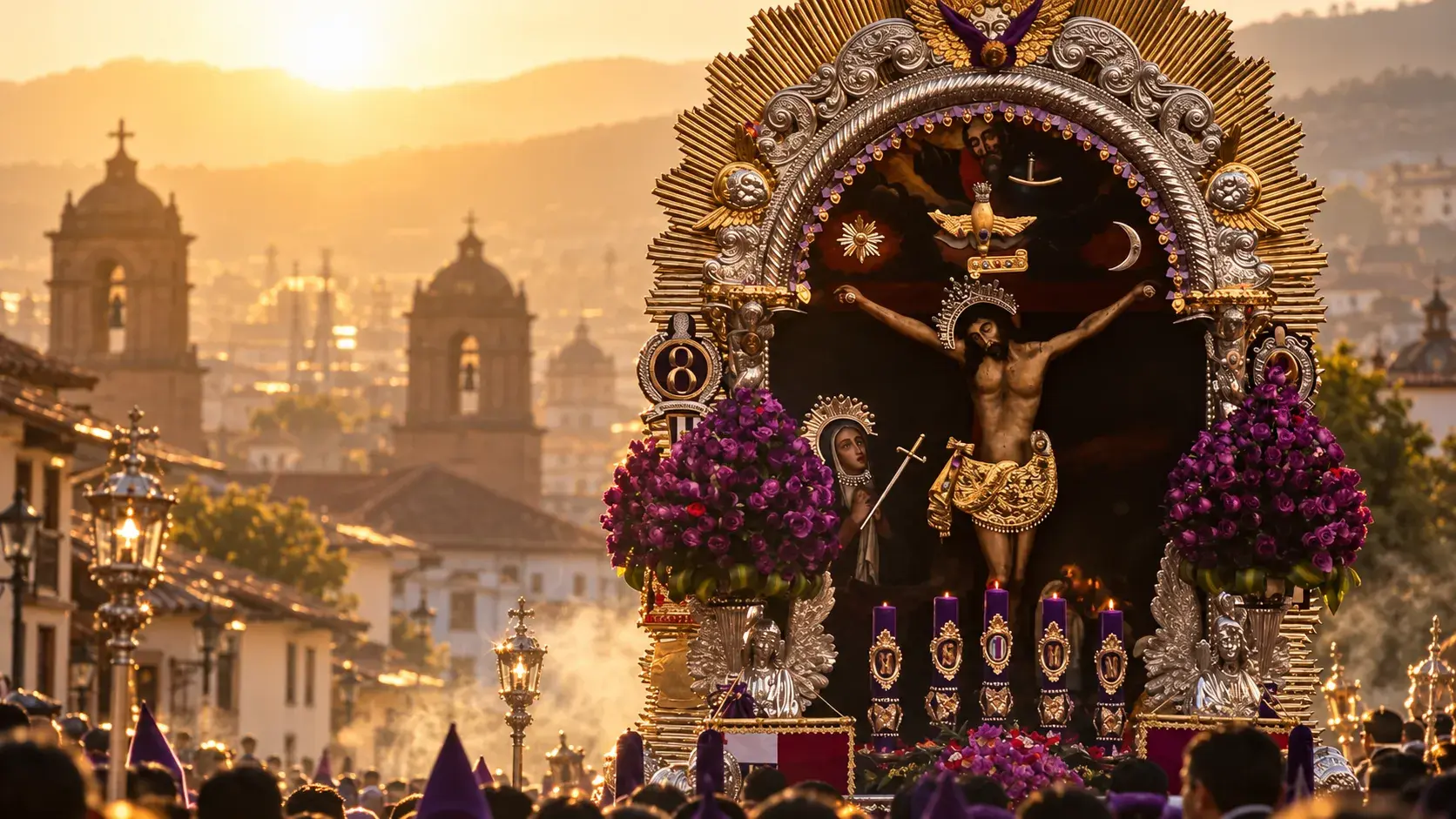
Lima's greatest devotion also walks through Cusco, departing from San Francisco Square. October dyes Peruvian streets purple with robes, incense, and fervor. We tell you how to follow the official 2026 processions in Lima and experience the Cusco replica from the Andes with practical details.
tags: lord of miracles, cusco, lima, peru processions, religious tourism, purple month
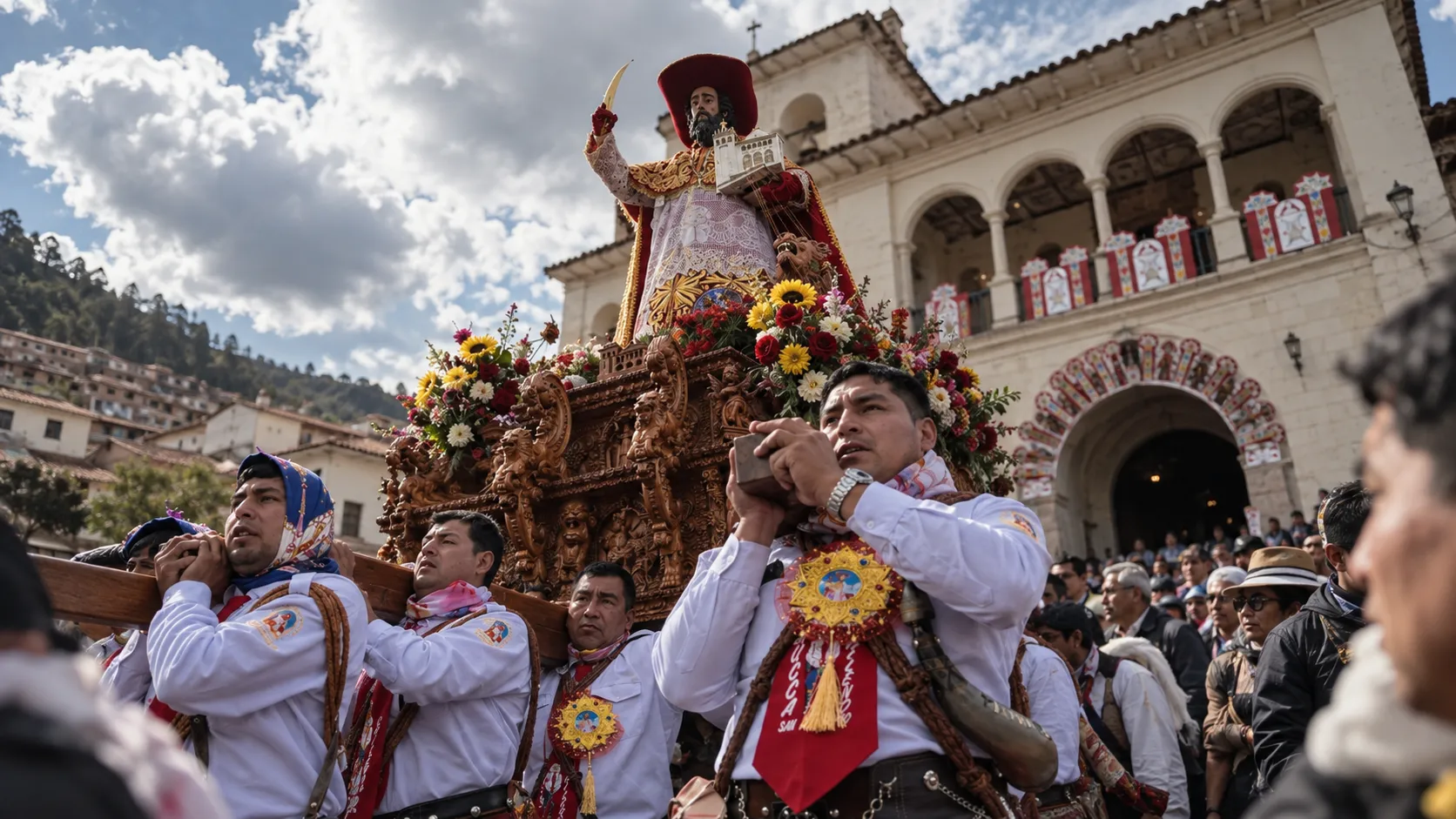
Just 11 kilometers from the Plaza de Armas, the historic district of San Jerónimo celebrates its patron saint every late September: 5 days of processions, 26+ dance troupes, a food fair, and a 16th-century church built on an Inca huaca. In 2016, it was declared Cultural Heritage of the Nation. Most tourists don't know it exists; many young locals don't either. This year it starts on Monday, September 28, with the main day on Wednesday 30.
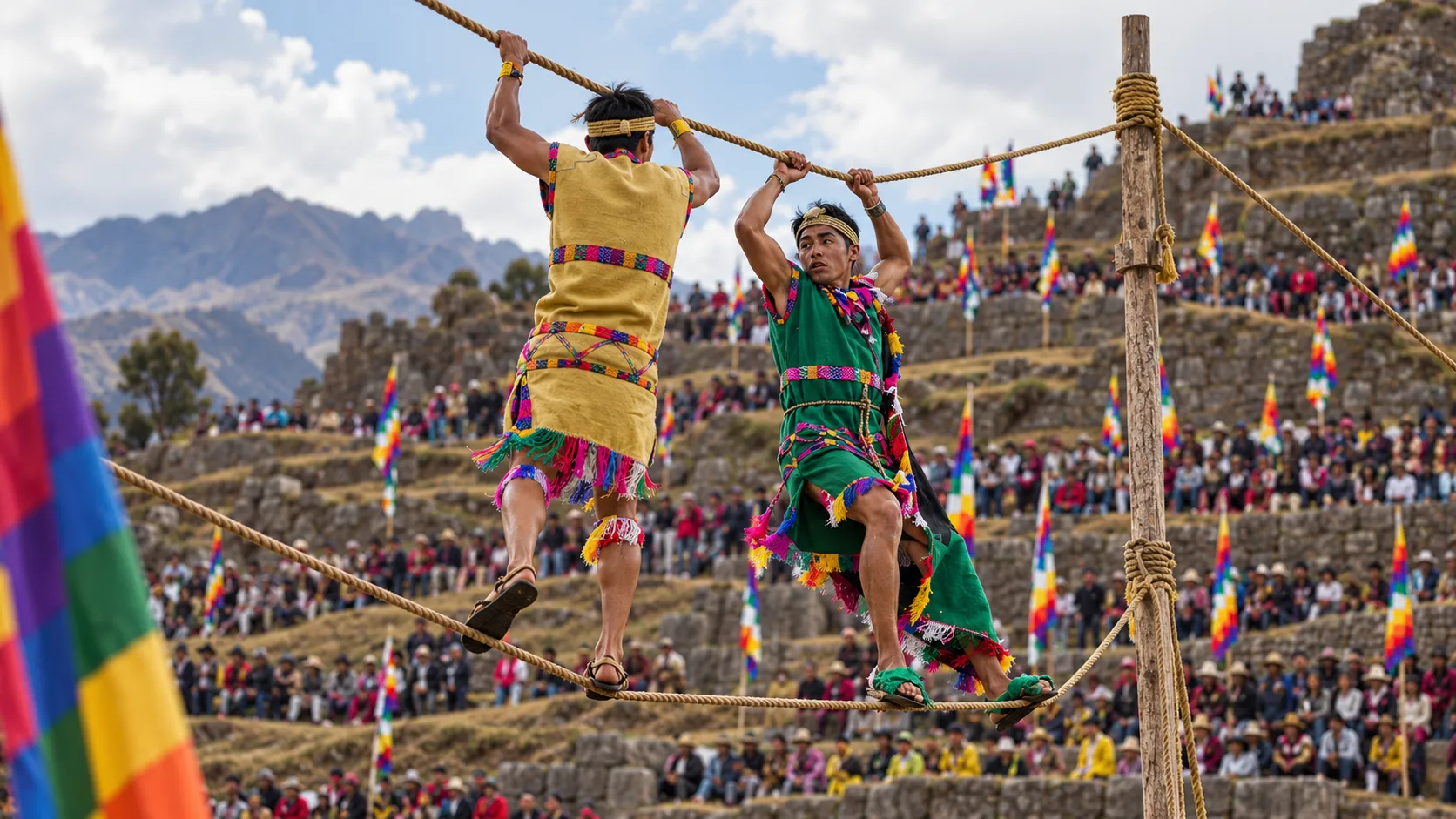
Third Sunday of September. 9 a.m. The pututos sound and 1,500 students from the National School of Sciences of Cusco set off in procession from their school to the Sacsayhuamán esplanade. They are going to compete — for real — in speed, strength, and endurance tests that replicate those the Tahuantinsuyo used to determine who was ready for adulthood. It is not a choreography. It is the Warachicuy, and in 2025 it was declared a Cultural Interest.
Are you planning to visit
Machu Picchu in 2026?
We would like to inform our travelers that availability for Circuit 1 and 2 for the months of November, December and January is at 85% of capacity. We recommend booking at least 3 months in advance.
New Circuits and Routes
The Ministry of Culture has consolidated the three main tours. As of 2026, Tour 2 (The Royal Route) remains the only one that allows visitors to take the classic photo from the Guardian’s House. We have adapted all our packages to ensure this access.
Digital Check-In and Biometric Verification
Say goodbye to long check-in lines! Starting this season, entry is faster thanks to the new digital check-in system. Our packages include full management of your personalized tickets to prevent errors on the state platform.
| Circuit | Ideal for... | Clasic photo | Difficulty |
|---|---|---|---|
| Circuit 1 (Panoramic) | High views and photo posts | Yes | Low |
| Circuit 2 (Andean) | Complete circuit through the ruins | Yes | Medium |
| Circuit 3 (Reality) | Persons or reduced movement | No | Very low |
Ask about our Machu Picchu packages
Explore the best of our land
Explore the breathtaking diversity of the Central Andes. From ancient archaeological wonders and surreal high-altitude landscapes to world-class gastronomy and Amazonian adventures, our updated 2026 guides showcase the very best of this premier global destination.