The Route is Set: This January Dakar 2013 will begin in Lima

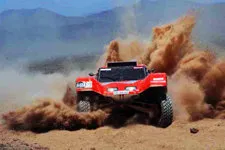
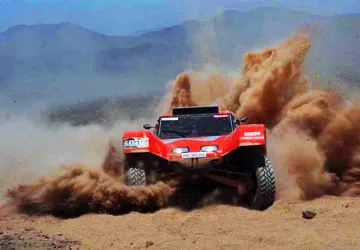

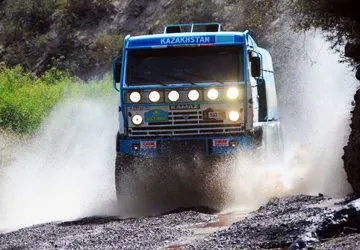

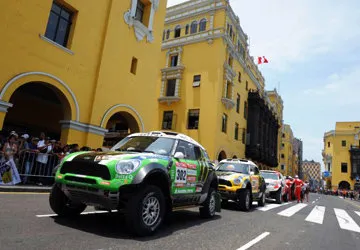
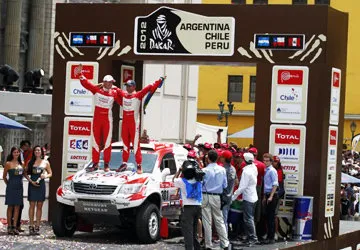
A demanding and exciting route's been announced for this January's Dakar 2013, which is expected to bring more than a million spectators to its starting point in Lima and 10,000 to Arequipa. Challenges will include the largest chain of dunes the off-road racers have ever had to face, and the south to north route is expected to cause some big gaps and high drama early on.
Published on 13-11-2012, por Inca World
The organizing team for Dakar 2013, the world's most demanding rally, has set the route for the coming race. Over the last thirty-five years, the race has gained an ever-increasing roster of die-hard fans. Although it originally set off from Paris and traversed the Sahara desert en route to Dakar in Senegal, safety concerns caused the switch from Africa to South America five years ago. The challenging South American terrain has allowed the race, which has claimed a number of lives during its history, to continue with no loss of drama.
Residents of Peru's capital, affectionately known as the City of Kings, came out in force early this year at the end of Dakar 2012- more than a million spectators gathered to welcome the drivers as they rode into Lima, Peru for the win. In contrast, Dakar 2013 is turning the race on its head: this January 5th, the racers will speed out of Lima as the race's starting point and finish in Santiago fifteen days later. As Dakar director Etienne Lavigne explained, "Peru, Argentina and Chile, explored on a north to south journey, will offer the Dakar a different angle of attack on the Pacific Coast, the Atacama's dunes and the Andes Mountains".
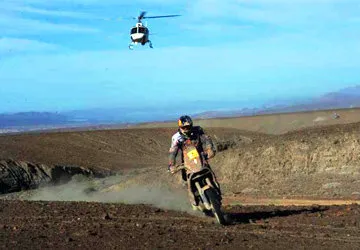
Declarations on the rally's official website exhibit its customary boldness: "Dakar 2013: Exceptional is the Watchword." The new route means that racers will have to tackle the sandy and rocky dunes along Peru's desert coast in the very beginning of the race. Dakar's Sporting Director David Castera predicted that this will lead to more drama and some big gaps early on.
This is the first time in Dakar history that the race will begin in the middle of the desert, and things won't get any easier once the drivers reach the Andes Mountains. After 5 stages in Peru, there will be 5 more in Argentina, some of which will be exceptionally long in a test of endurance. Finally, drivers will enjoy a rest day in Argentina's San Miguel de Tucuman. As drivers leave Gaucho country, they'll have to contend with the unwelcoming Atacama desert in Chile in the largest chain of dunes that racers have ever had to face. All in all, they will face 4,970 miles of varied and challenging terrain before the race's end in Santiago. As veteran racer and 1998 Dakar winner Jean-Pierre Fontenay warned, "It will be tough out there" He later added, "They'll be very pleased even to reach the rest day."
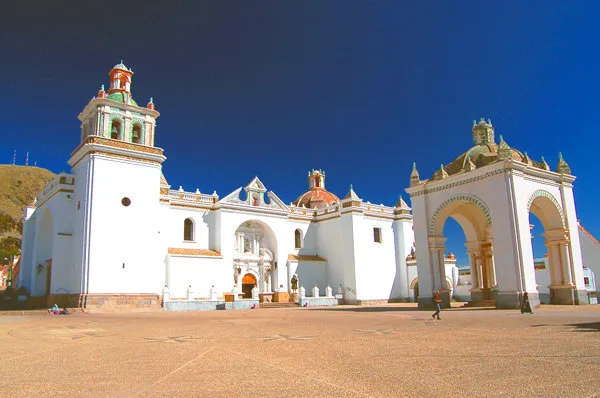
Lima isn't the only city that will be feeling the love this year- Arequipa in southern Peru expects a huge tourism boost much like last year, with 10,000 tourists expected to visit the White City on January 8th.
A demanding and exciting route's been announced for this January's Dakar 2013, which is expected to bring more than a million spectators to its starting point in Lima and 10,000 to Arequipa. Challenges will include the largest chain of dunes the off-road racers have ever had to face, and the south to north route is expected to cause some big gaps and high drama early on.
Published on 13-11-2012, por Inca World
The organizing team for Dakar 2013, the world's most demanding rally, has set the route for the coming race. Over the last thirty-five years, the race has gained an ever-increasing roster of die-hard fans. Although it originally set off from Paris and traversed the Sahara desert en route to Dakar in Senegal, safety concerns caused the switch from Africa to South America five years ago. The challenging South American terrain has allowed the race, which has claimed a number of lives during its history, to continue with no loss of drama.
Residents of Peru's capital, affectionately known as the City of Kings, came out in force early this year at the end of Dakar 2012- more than a million spectators gathered to welcome the drivers as they rode into Lima, Peru for the win. In contrast, Dakar 2013 is turning the race on its head: this January 5th, the racers will speed out of Lima as the race's starting point and finish in Santiago fifteen days later. As Dakar director Etienne Lavigne explained, "Peru, Argentina and Chile, explored on a north to south journey, will offer the Dakar a different angle of attack on the Pacific Coast, the Atacama's dunes and the Andes Mountains".
Declarations on the rally's official website exhibit its customary boldness: "Dakar 2013: Exceptional is the Watchword." The new route means that racers will have to tackle the sandy and rocky dunes along Peru's desert coast in the very beginning of the race. Dakar's Sporting Director David Castera predicted that this will lead to more drama and some big gaps early on.
This is the first time in Dakar history that the race will begin in the middle of the desert, and things won't get any easier once the drivers reach the Andes Mountains. After 5 stages in Peru, there will be 5 more in Argentina, some of which will be exceptionally long in a test of endurance. Finally, drivers will enjoy a rest day in Argentina's San Miguel de Tucuman. As drivers leave Gaucho country, they'll have to contend with the unwelcoming Atacama desert in Chile in the largest chain of dunes that racers have ever had to face. All in all, they will face 4,970 miles of varied and challenging terrain before the race's end in Santiago. As veteran racer and 1998 Dakar winner Jean-Pierre Fontenay warned, "It will be tough out there" He later added, "They'll be very pleased even to reach the rest day."
Lima isn't the only city that will be feeling the love this year- Arequipa in southern Peru expects a huge tourism boost much like last year, with 10,000 tourists expected to visit the White City on January 8th.
News, routes, and expert tips
Explore the latest from our Cusco travel blog. Get practical guides, Machu Picchu updates, and fresh trekking and culture recommendations. Everything you need to travel Cusco safely and stylishly in 2026. Your next Andean story starts here!
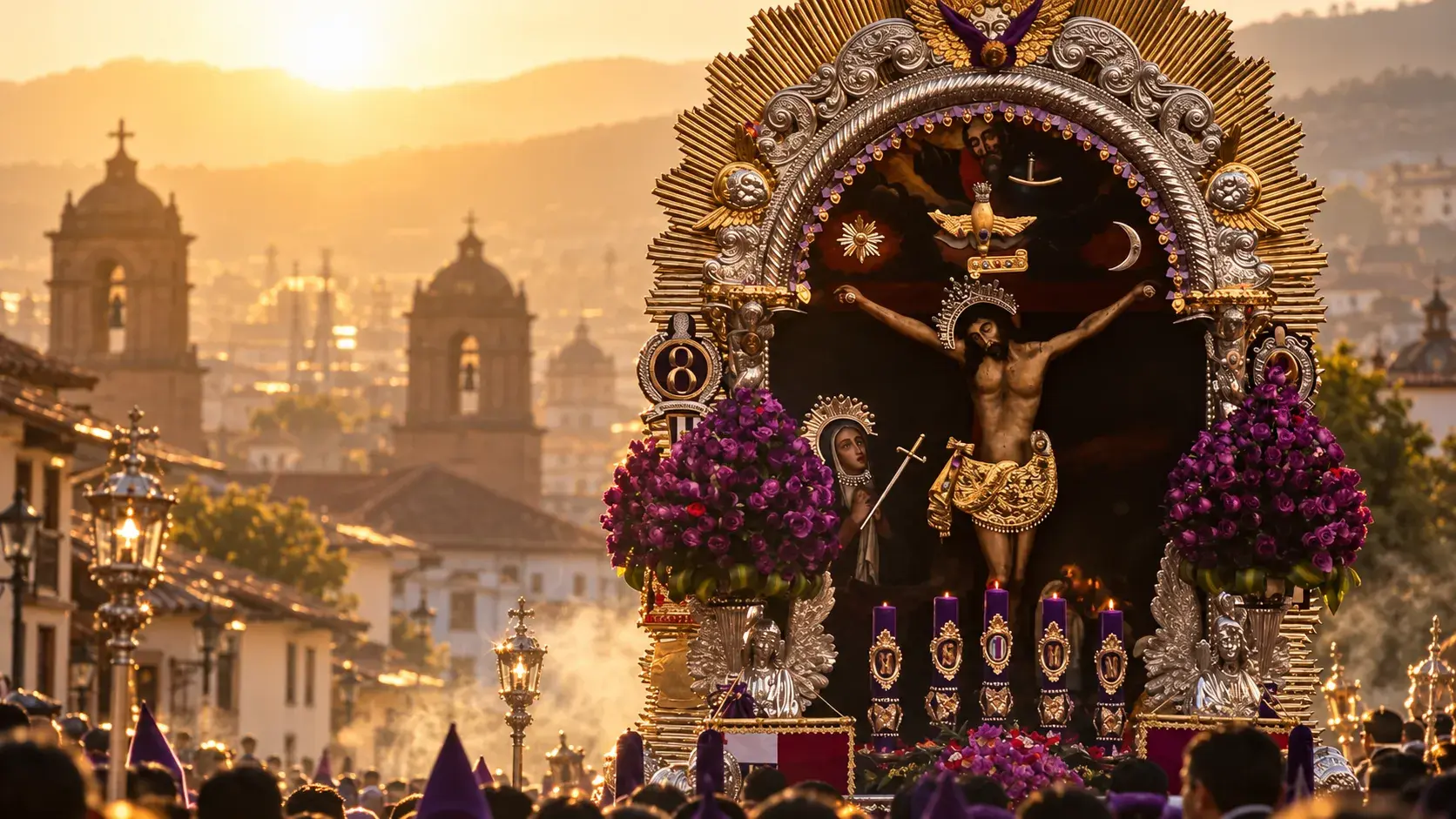
Lima's greatest devotion also walks through Cusco, departing from San Francisco Square. October dyes Peruvian streets purple with robes, incense, and fervor. We tell you how to follow the official 2026 processions in Lima and experience the Cusco replica from the Andes with practical details.
tags: lord of miracles, cusco, lima, peru processions, religious tourism, purple month
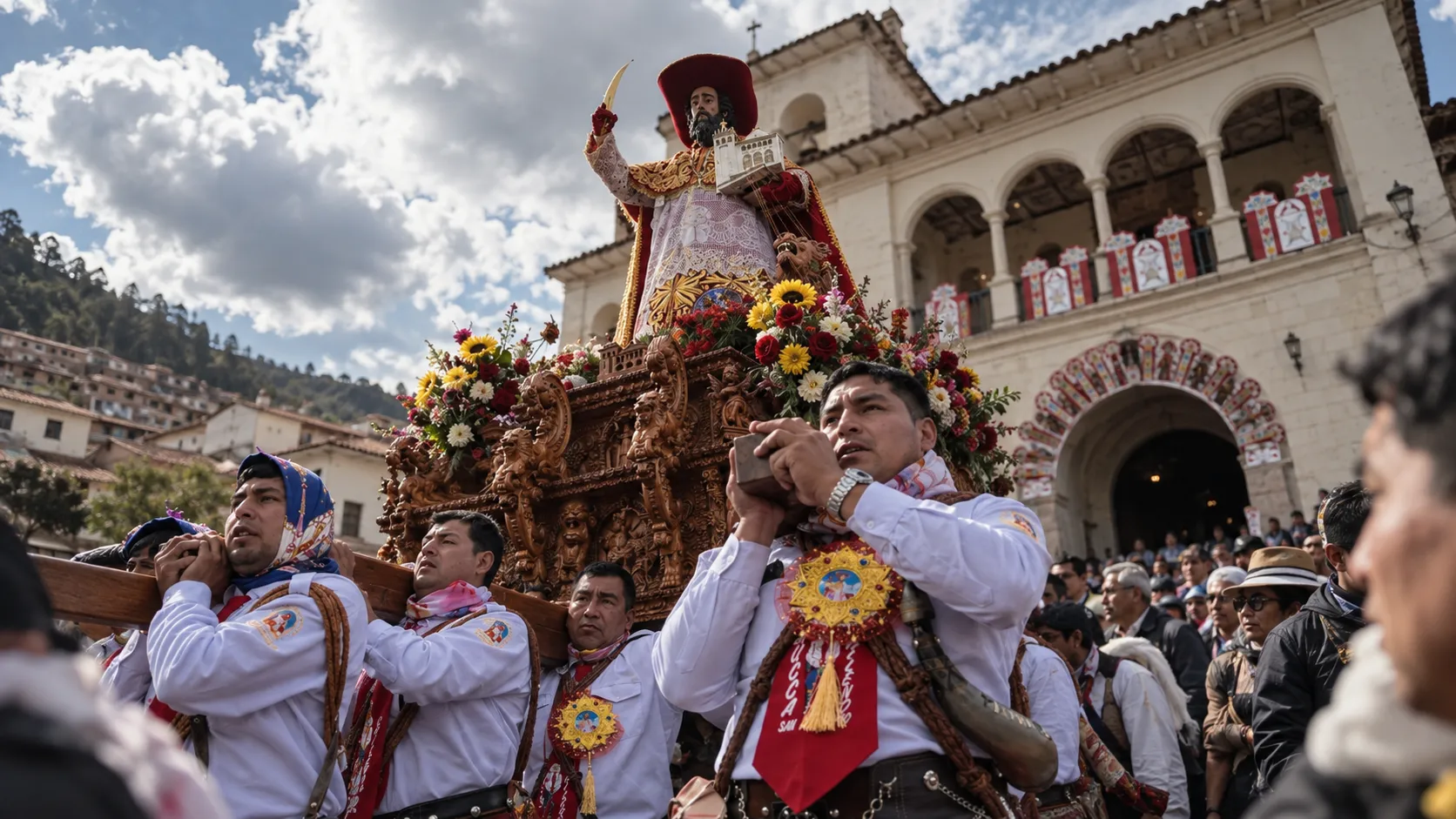
Just 11 kilometers from the Plaza de Armas, the historic district of San Jerónimo celebrates its patron saint every late September: 5 days of processions, 26+ dance troupes, a food fair, and a 16th-century church built on an Inca huaca. In 2016, it was declared Cultural Heritage of the Nation. Most tourists don't know it exists; many young locals don't either. This year it starts on Monday, September 28, with the main day on Wednesday 30.
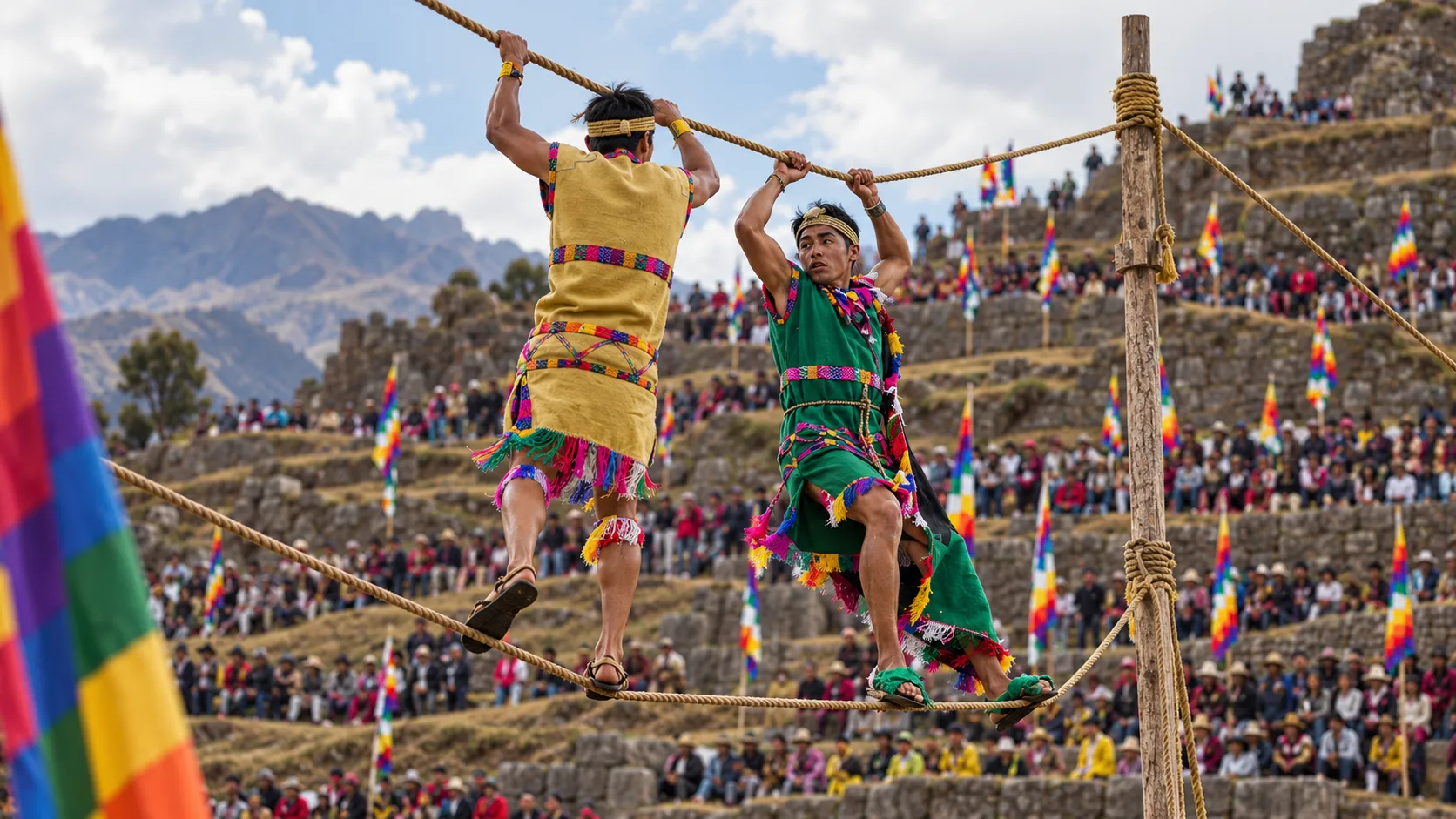
Third Sunday of September. 9 a.m. The pututos sound and 1,500 students from the National School of Sciences of Cusco set off in procession from their school to the Sacsayhuamán esplanade. They are going to compete — for real — in speed, strength, and endurance tests that replicate those the Tahuantinsuyo used to determine who was ready for adulthood. It is not a choreography. It is the Warachicuy, and in 2025 it was declared a Cultural Interest.
Are you planning to visit
Machu Picchu in 2026?
We would like to inform our travelers that availability for Circuit 1 and 2 for the months of November, December and January is at 85% of capacity. We recommend booking at least 3 months in advance.
New Circuits and Routes
The Ministry of Culture has consolidated the three main tours. As of 2026, Tour 2 (The Royal Route) remains the only one that allows visitors to take the classic photo from the Guardian’s House. We have adapted all our packages to ensure this access.
Digital Check-In and Biometric Verification
Say goodbye to long check-in lines! Starting this season, entry is faster thanks to the new digital check-in system. Our packages include full management of your personalized tickets to prevent errors on the state platform.
| Circuit | Ideal for... | Clasic photo | Difficulty |
|---|---|---|---|
| Circuit 1 (Panoramic) | High views and photo posts | Yes | Low |
| Circuit 2 (Andean) | Complete circuit through the ruins | Yes | Medium |
| Circuit 3 (Reality) | Persons or reduced movement | No | Very low |
Ask about our Machu Picchu packages
Explore the best of our land
Explore the breathtaking diversity of the Central Andes. From ancient archaeological wonders and surreal high-altitude landscapes to world-class gastronomy and Amazonian adventures, our updated 2026 guides showcase the very best of this premier global destination.