Rising Popularity Leads to Record Numbers at Sipán Royal Tombs Museum
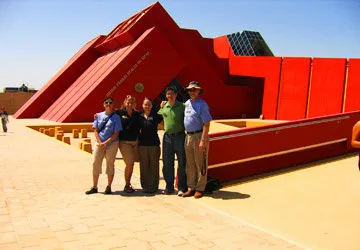
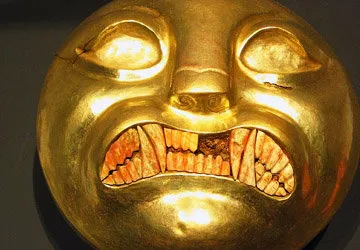
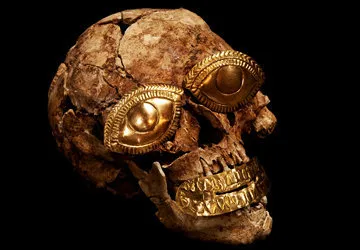
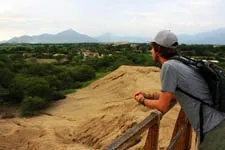

The Lord of Sipán is considered one of the last 30 years's most important archaeological discoveries. Many travelers visit the northern desert coast of Peru to see this Moche tomb and its museum, which displays a great amount of ceramics and other findings alongside the intricate golden treasures of the Moche. Clearly, interest in the 2000 year old Moche civlization is on the rise, as the Royal Tombs of Sipán Museum in Lambayeque received more visitors this year than ever before.
Published on 22-12-2012, por Inca World
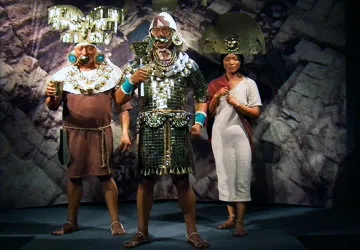
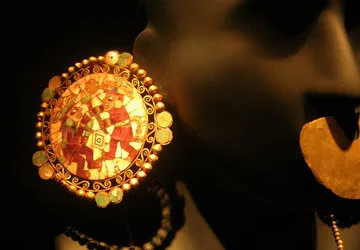
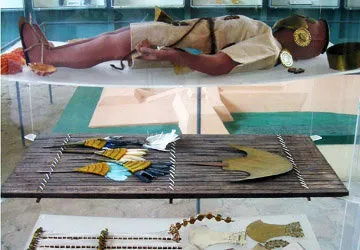
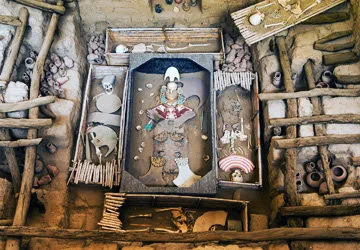
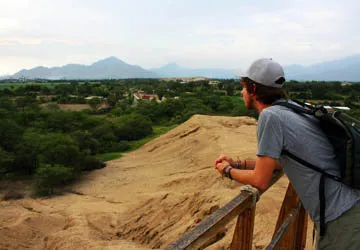
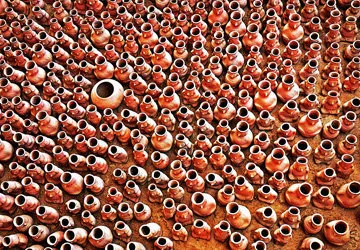
The tomb of the Lord of Sipán is considered to be one of the most important archaeological discoveries in the last 30 years. Dating back to the Moche culture, which ruled over northern Peru's desert coast two thousand years ago, it is one of the few of its kind which had not been looted. Many travelers pass through this part of Peru specifically to see the adobe mudbrick pyramids and aqueducts which still mark the countryside, and the intricate Moche nose rings, ear studs, necklaces, and helmets skillfully inlaid with precious stones. Although the tomb itself is still under excavation, a mockup of the tomb, with replicas of the priceless head-dress, breastplates, and grave offerings (including many ceramic pieces with individual faces) is open to the public.
The Royal Tombs of Sipán Museum in Lambayeque, which exhibits the objects found in the Moche ruler's final resting place, has announced that by the end of this year it will have received more than 180,000 tourists, which would be a record for the museum since its opening a decade ago. Up to November of this year, 176,719 visitors have arrived at the museum, of which 157,547 were nationals and 19,172 foreigners. This represents a 12% growth in visitors compared to 2011.
There is another reason for the current optimism at the museum as well. Plans are underway to construct a pavilion next year so that the museum would be able to display temporary exhibitions as well. "We want this to be a center of promotion and diffusion of the cultura universal. That this museum never stops presenting discoveries, cultural testimonies from other areas of Perú and of the world, museum director Walter Alva declared to Peruvian news agency Andina.
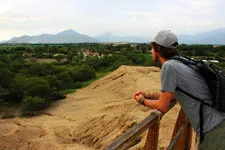
The Lord of Sipán is considered one of the last 30 years's most important archaeological discoveries. Many travelers visit the northern desert coast of Peru to see this Moche tomb and its museum, which displays a great amount of ceramics and other findings alongside the intricate golden treasures of the Moche. Clearly, interest in the 2000 year old Moche civlization is on the rise, as the Royal Tombs of Sipán Museum in Lambayeque received more visitors this year than ever before.
Published on 22-12-2012, por Inca World
The tomb of the Lord of Sipán is considered to be one of the most important archaeological discoveries in the last 30 years. Dating back to the Moche culture, which ruled over northern Peru's desert coast two thousand years ago, it is one of the few of its kind which had not been looted. Many travelers pass through this part of Peru specifically to see the adobe mudbrick pyramids and aqueducts which still mark the countryside, and the intricate Moche nose rings, ear studs, necklaces, and helmets skillfully inlaid with precious stones. Although the tomb itself is still under excavation, a mockup of the tomb, with replicas of the priceless head-dress, breastplates, and grave offerings (including many ceramic pieces with individual faces) is open to the public.
The Royal Tombs of Sipán Museum in Lambayeque, which exhibits the objects found in the Moche ruler's final resting place, has announced that by the end of this year it will have received more than 180,000 tourists, which would be a record for the museum since its opening a decade ago. Up to November of this year, 176,719 visitors have arrived at the museum, of which 157,547 were nationals and 19,172 foreigners. This represents a 12% growth in visitors compared to 2011.
There is another reason for the current optimism at the museum as well. Plans are underway to construct a pavilion next year so that the museum would be able to display temporary exhibitions as well. "We want this to be a center of promotion and diffusion of the cultura universal. That this museum never stops presenting discoveries, cultural testimonies from other areas of Perú and of the world, museum director Walter Alva declared to Peruvian news agency Andina.
News, routes, and expert tips
Explore the latest from our Cusco travel blog. Get practical guides, Machu Picchu updates, and fresh trekking and culture recommendations. Everything you need to travel Cusco safely and stylishly in 2026. Your next Andean story starts here!
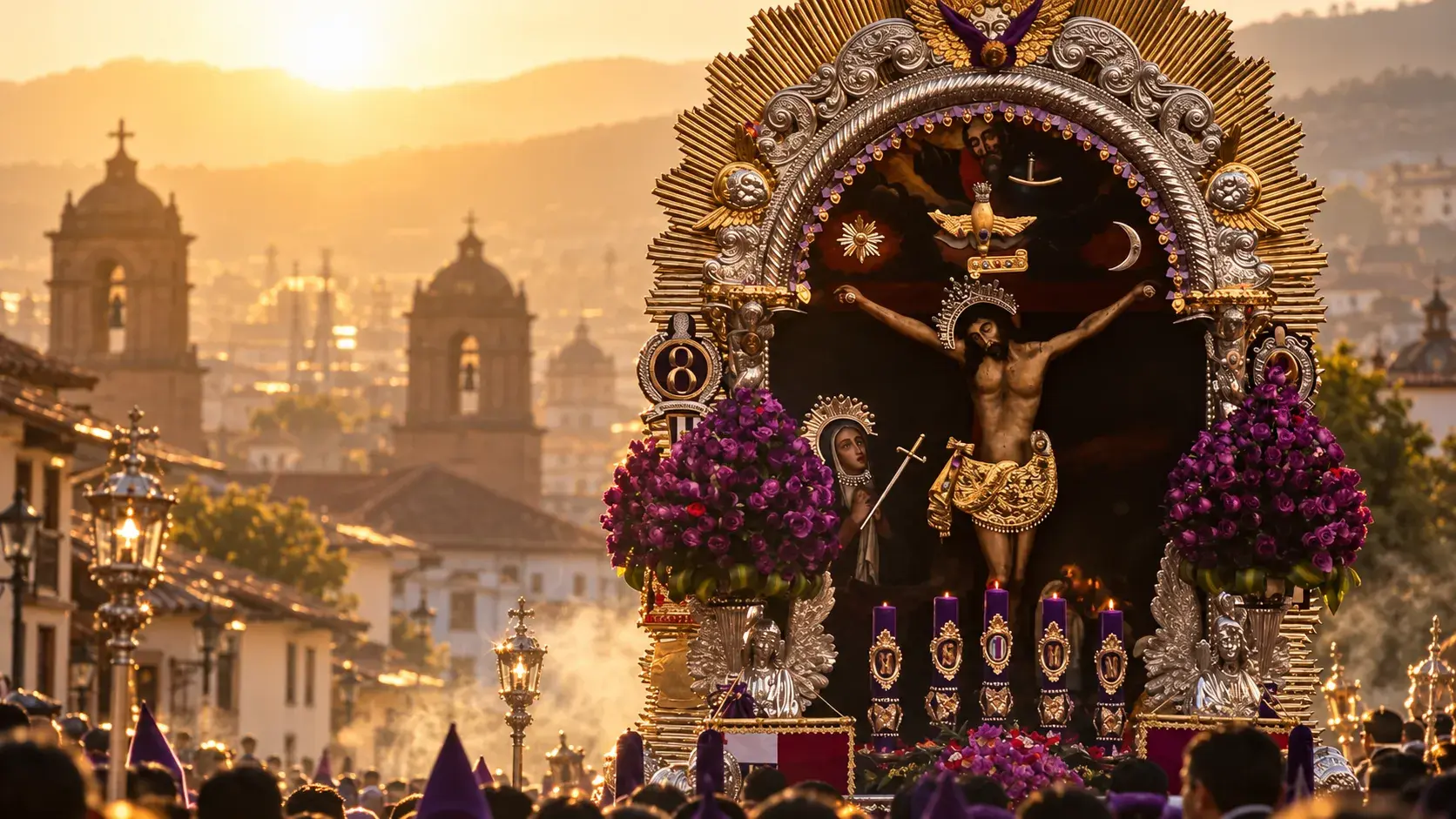
Lima's greatest devotion also walks through Cusco, departing from San Francisco Square. October dyes Peruvian streets purple with robes, incense, and fervor. We tell you how to follow the official 2026 processions in Lima and experience the Cusco replica from the Andes with practical details.
tags: lord of miracles, cusco, lima, peru processions, religious tourism, purple month
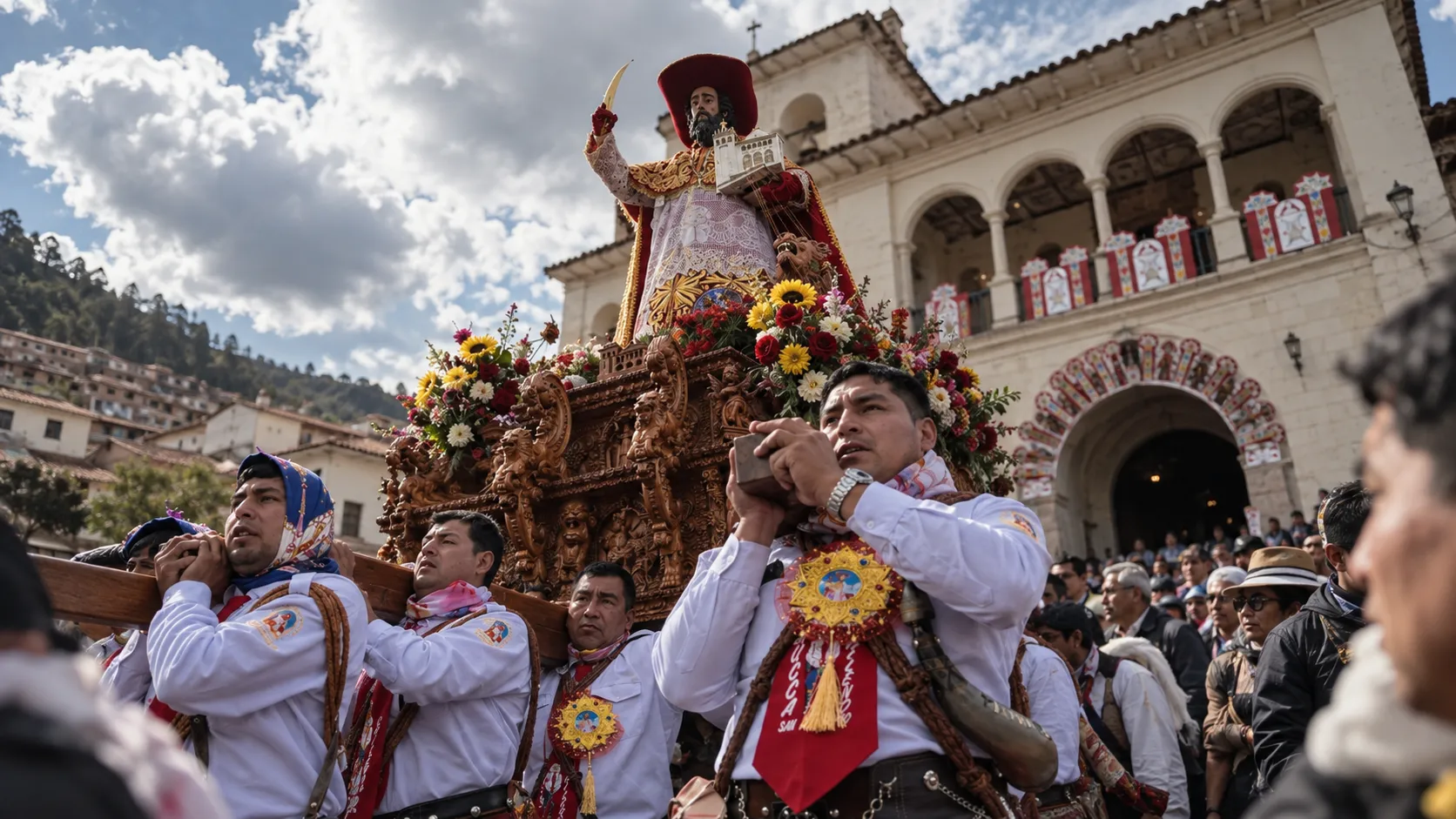
Just 11 kilometers from the Plaza de Armas, the historic district of San Jerónimo celebrates its patron saint every late September: 5 days of processions, 26+ dance troupes, a food fair, and a 16th-century church built on an Inca huaca. In 2016, it was declared Cultural Heritage of the Nation. Most tourists don't know it exists; many young locals don't either. This year it starts on Monday, September 28, with the main day on Wednesday 30.
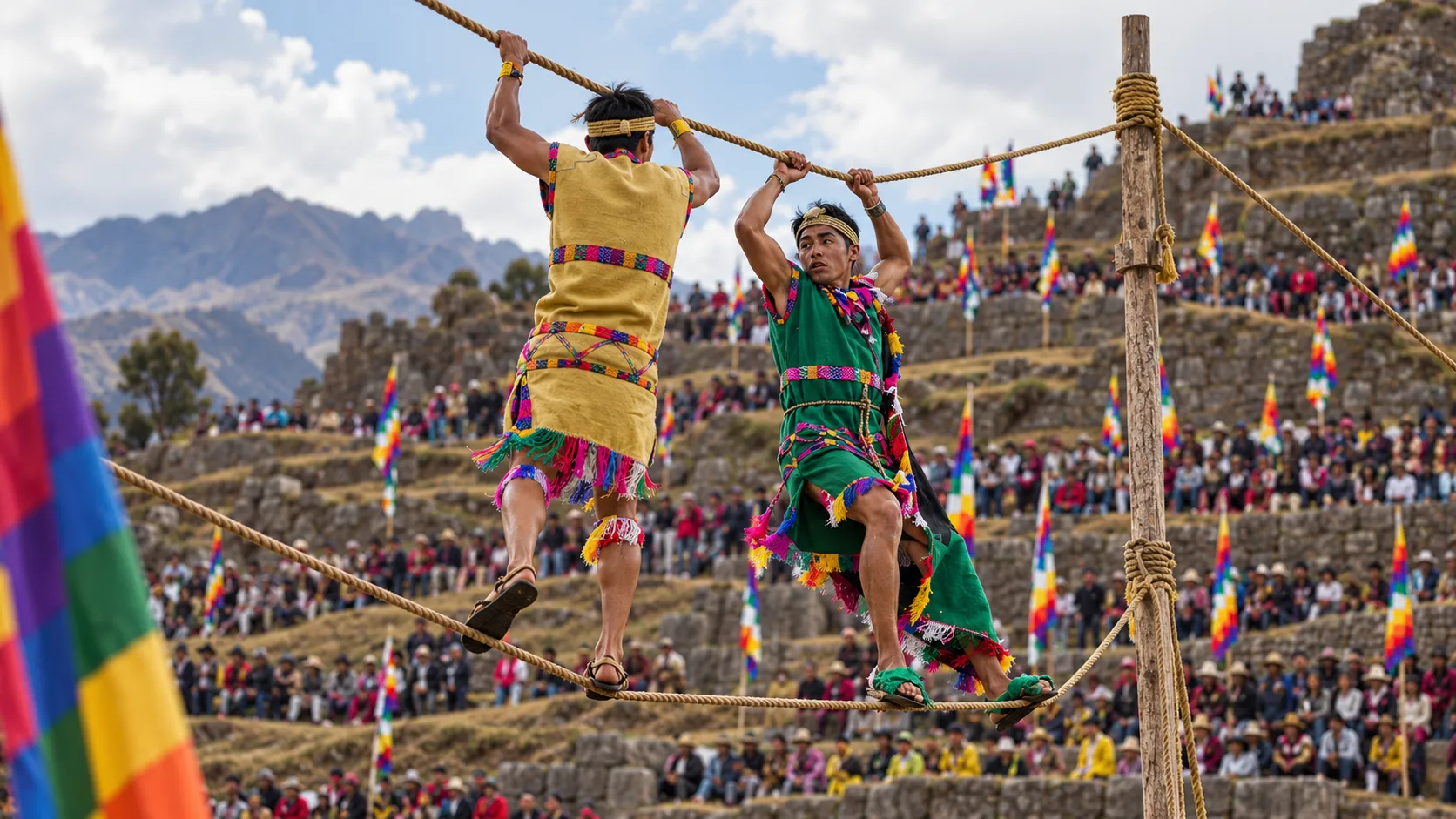
Third Sunday of September. 9 a.m. The pututos sound and 1,500 students from the National School of Sciences of Cusco set off in procession from their school to the Sacsayhuamán esplanade. They are going to compete — for real — in speed, strength, and endurance tests that replicate those the Tahuantinsuyo used to determine who was ready for adulthood. It is not a choreography. It is the Warachicuy, and in 2025 it was declared a Cultural Interest.
Are you planning to visit
Machu Picchu in 2026?
We would like to inform our travelers that availability for Circuit 1 and 2 for the months of November, December and January is at 85% of capacity. We recommend booking at least 3 months in advance.
New Circuits and Routes
The Ministry of Culture has consolidated the three main tours. As of 2026, Tour 2 (The Royal Route) remains the only one that allows visitors to take the classic photo from the Guardian’s House. We have adapted all our packages to ensure this access.
Digital Check-In and Biometric Verification
Say goodbye to long check-in lines! Starting this season, entry is faster thanks to the new digital check-in system. Our packages include full management of your personalized tickets to prevent errors on the state platform.
| Circuit | Ideal for... | Clasic photo | Difficulty |
|---|---|---|---|
| Circuit 1 (Panoramic) | High views and photo posts | Yes | Low |
| Circuit 2 (Andean) | Complete circuit through the ruins | Yes | Medium |
| Circuit 3 (Reality) | Persons or reduced movement | No | Very low |
Ask about our Machu Picchu packages
Explore the best of our land
Explore the breathtaking diversity of the Central Andes. From ancient archaeological wonders and surreal high-altitude landscapes to world-class gastronomy and Amazonian adventures, our updated 2026 guides showcase the very best of this premier global destination.