Out of Lake Titicaca: Rise of the Reed Ships
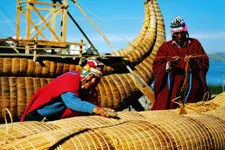
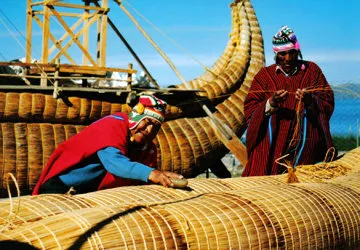
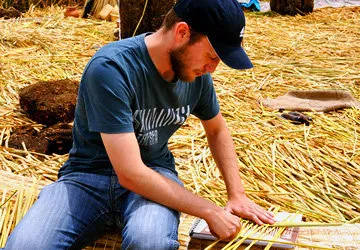
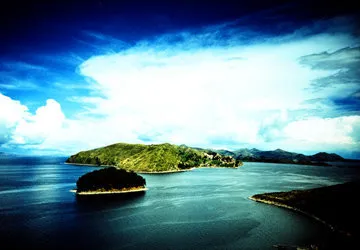
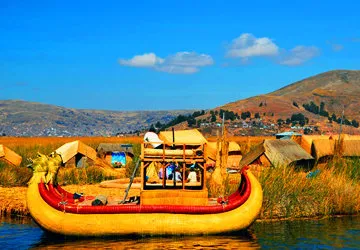
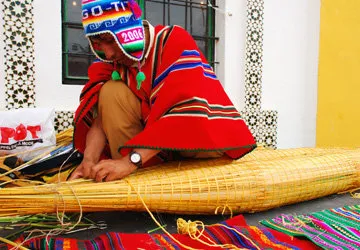
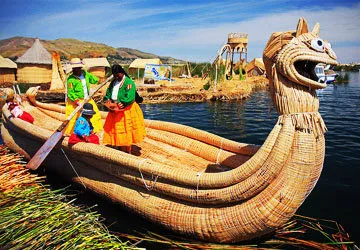
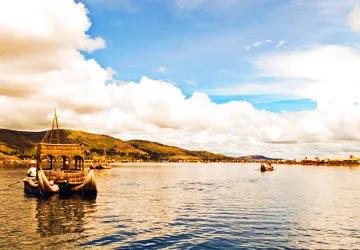
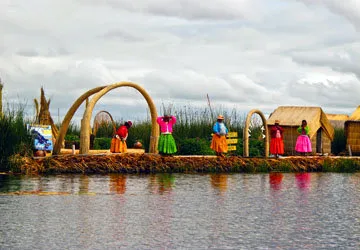

The shipbuilding residents of the small island of Suriqui on the Bolivian side of Lake Titicaca are planning a new and ambitious undertaking: the construction of a totora reed ship, built only with the same pre-Columbian methods these Aymara descendents have been using for the last thousand years, to sail on a trans-oceanic excursion from New York to Spain via the Canary Islands in May or June of 2014.
Published on 05-02-2013, por Inca World
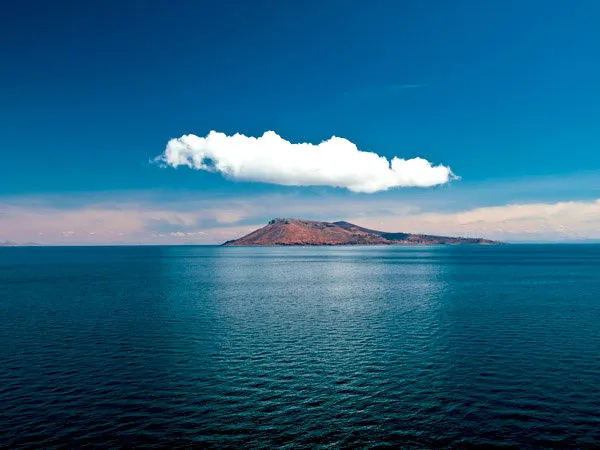
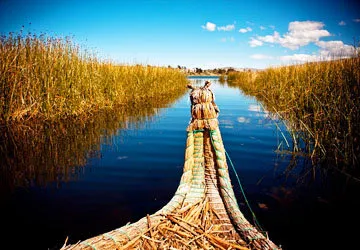
The islanders of Lake Titicaca are known for their prodigious use of the lake's dominant plant, the totora, otherwise known as the bulrush reed. It forms the roofs for many houses, traditional boats, and in the case of the man-made Floating Islands of Uros, the islands themselves.
"When you lay down on a totora boat, it feels like you're levitating," described the Bolivian Foreign minister and Aymara native David Choquehuanca as he inspected the Tunupa ship at Suriqui Island on the side of the lake pertaining to Bolivia. It measures 15 by 4.5 meters, weighs 12 tons, and was built using the same pre-Columbian technologies used for a millennia to cross the cold flat waters of massive Titicaca- with no weights or measures. The Tunupa set sail on Dec 21st to mark the Andean solstice festival.
Although fiberglass and metal motorboats have become more popular due to their speed and durability, the 1,000 residents of Suriqui still devote their time mainly to fishing, fashioning handicrafts, and boatbuilding. Over the last decades, the islanders riqui have built 22 trans-oceanic reed ships. Among them, there was the Ra II, sailed from Morocco to the Barbados Islands in 1970 by a Norwegian adventurer and currently on display at Oslo's Kon-Tiki Museum, and the Viracocha II, sailed from Chile to the remote Easter Island by an American team in 2003.
The ship-building families of the island now hope to build a ship planned to sail from New York to Spain via the Canary Islands in May or June of 2014. "We will be taking totora from Lake Titicaca up to New York to build the ship," said Porfirio Limachi, a boatbuilder and member of the planned expedition's multi-national crew.
Although the most known tour in Lake Titicaca is the Floating Islands of Uros, there are a number of islands of interest on both the Peru and Bolivia side which one can visit: Amantani, and Taquile, and Isla del Sol (which has varied tours of one to three days available from Copacabana) foremost among them.
The shipbuilding residents of the small island of Suriqui on the Bolivian side of Lake Titicaca are planning a new and ambitious undertaking: the construction of a totora reed ship, built only with the same pre-Columbian methods these Aymara descendents have been using for the last thousand years, to sail on a trans-oceanic excursion from New York to Spain via the Canary Islands in May or June of 2014.
Published on 05-02-2013, por Inca World
The islanders of Lake Titicaca are known for their prodigious use of the lake's dominant plant, the totora, otherwise known as the bulrush reed. It forms the roofs for many houses, traditional boats, and in the case of the man-made Floating Islands of Uros, the islands themselves.
"When you lay down on a totora boat, it feels like you're levitating," described the Bolivian Foreign minister and Aymara native David Choquehuanca as he inspected the Tunupa ship at Suriqui Island on the side of the lake pertaining to Bolivia. It measures 15 by 4.5 meters, weighs 12 tons, and was built using the same pre-Columbian technologies used for a millennia to cross the cold flat waters of massive Titicaca- with no weights or measures. The Tunupa set sail on Dec 21st to mark the Andean solstice festival.
Although fiberglass and metal motorboats have become more popular due to their speed and durability, the 1,000 residents of Suriqui still devote their time mainly to fishing, fashioning handicrafts, and boatbuilding. Over the last decades, the islanders riqui have built 22 trans-oceanic reed ships. Among them, there was the Ra II, sailed from Morocco to the Barbados Islands in 1970 by a Norwegian adventurer and currently on display at Oslo's Kon-Tiki Museum, and the Viracocha II, sailed from Chile to the remote Easter Island by an American team in 2003.
The ship-building families of the island now hope to build a ship planned to sail from New York to Spain via the Canary Islands in May or June of 2014. "We will be taking totora from Lake Titicaca up to New York to build the ship," said Porfirio Limachi, a boatbuilder and member of the planned expedition's multi-national crew.
Although the most known tour in Lake Titicaca is the Floating Islands of Uros, there are a number of islands of interest on both the Peru and Bolivia side which one can visit: Amantani, and Taquile, and Isla del Sol (which has varied tours of one to three days available from Copacabana) foremost among them.
News, routes, and expert tips
Explore the latest from our Cusco travel blog. Get practical guides, Machu Picchu updates, and fresh trekking and culture recommendations. Everything you need to travel Cusco safely and stylishly in 2026. Your next Andean story starts here!
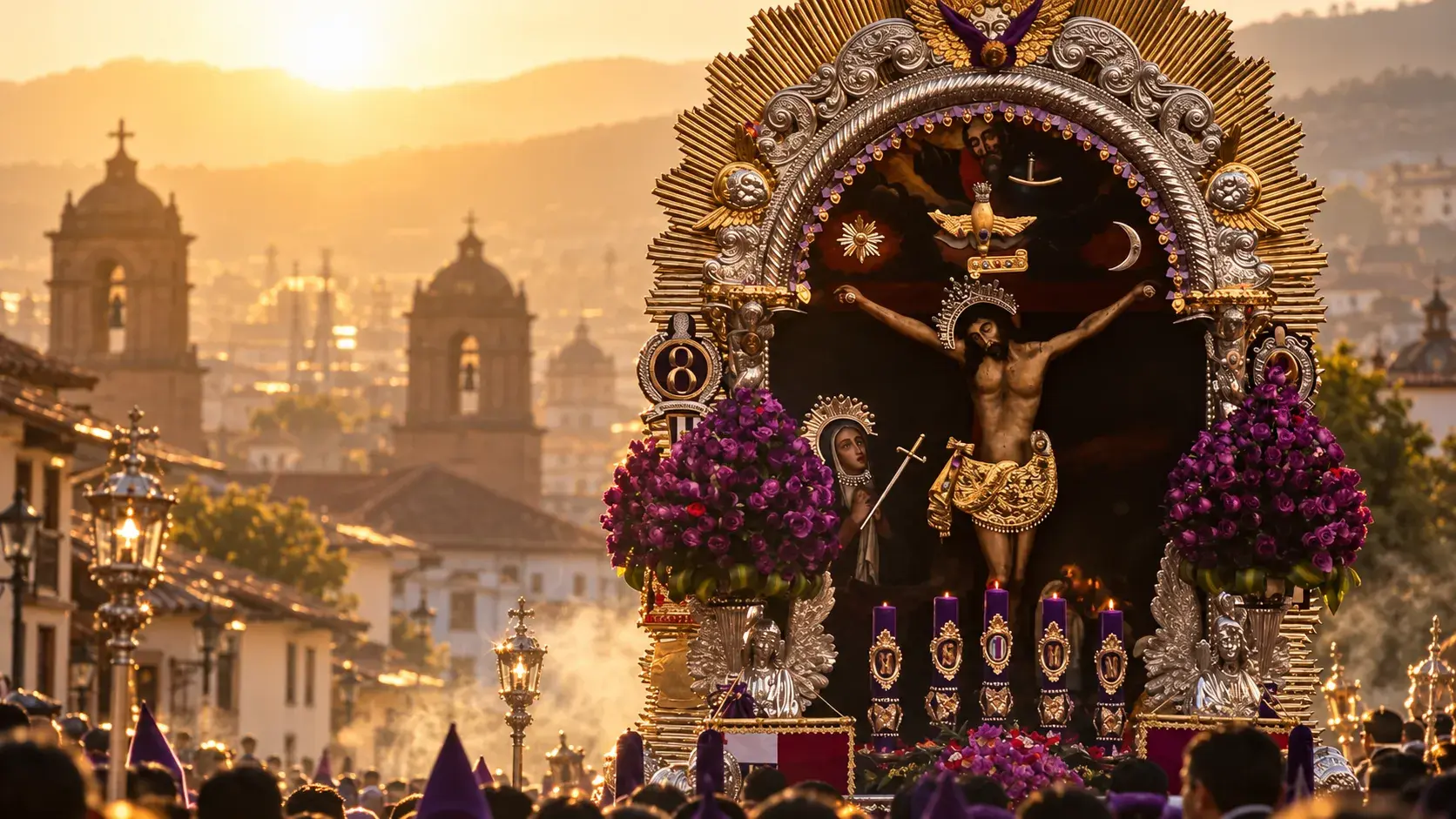
Lima's greatest devotion also walks through Cusco, departing from San Francisco Square. October dyes Peruvian streets purple with robes, incense, and fervor. We tell you how to follow the official 2026 processions in Lima and experience the Cusco replica from the Andes with practical details.
tags: lord of miracles, cusco, lima, peru processions, religious tourism, purple month
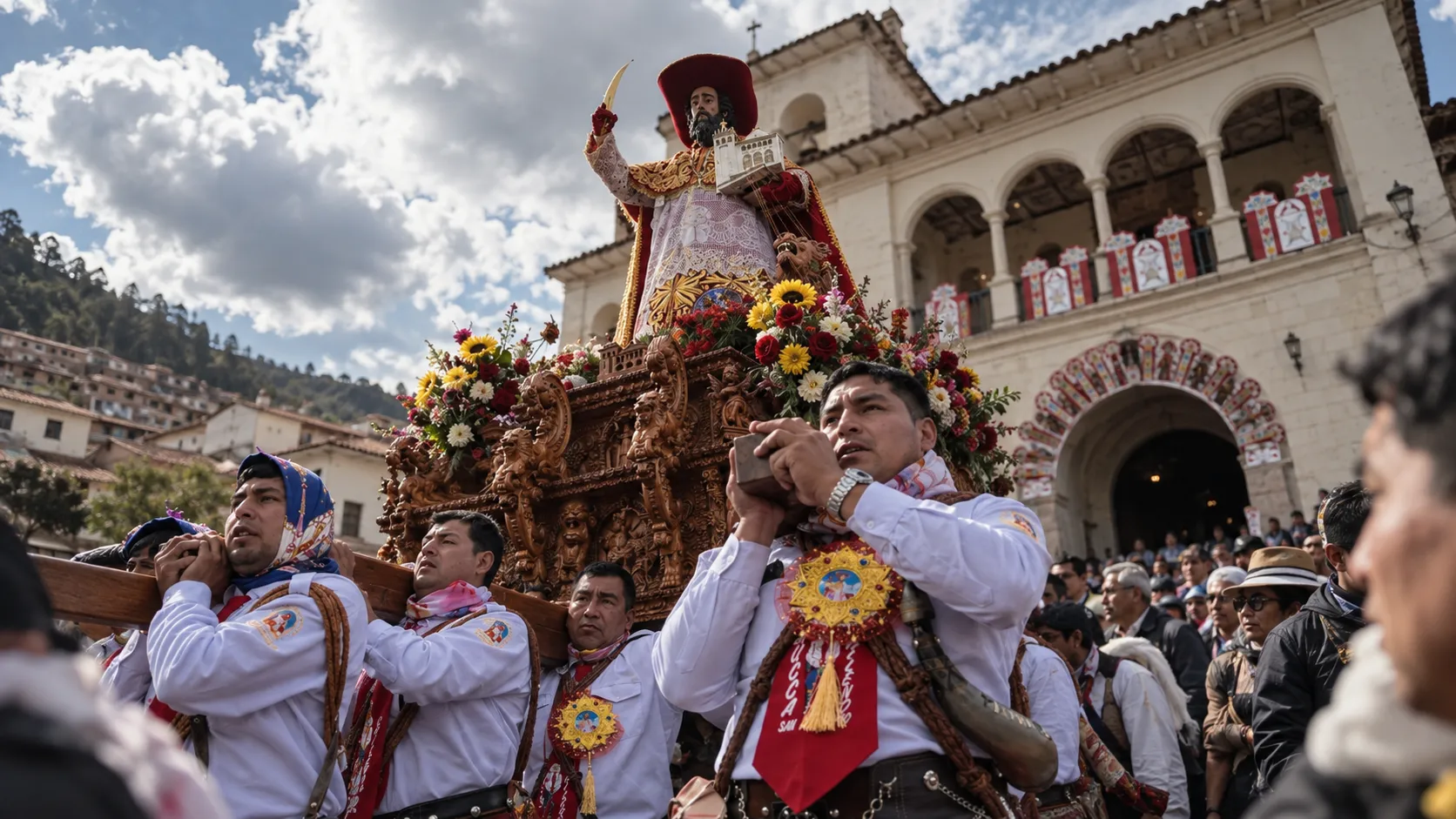
Just 11 kilometers from the Plaza de Armas, the historic district of San Jerónimo celebrates its patron saint every late September: 5 days of processions, 26+ dance troupes, a food fair, and a 16th-century church built on an Inca huaca. In 2016, it was declared Cultural Heritage of the Nation. Most tourists don't know it exists; many young locals don't either. This year it starts on Monday, September 28, with the main day on Wednesday 30.
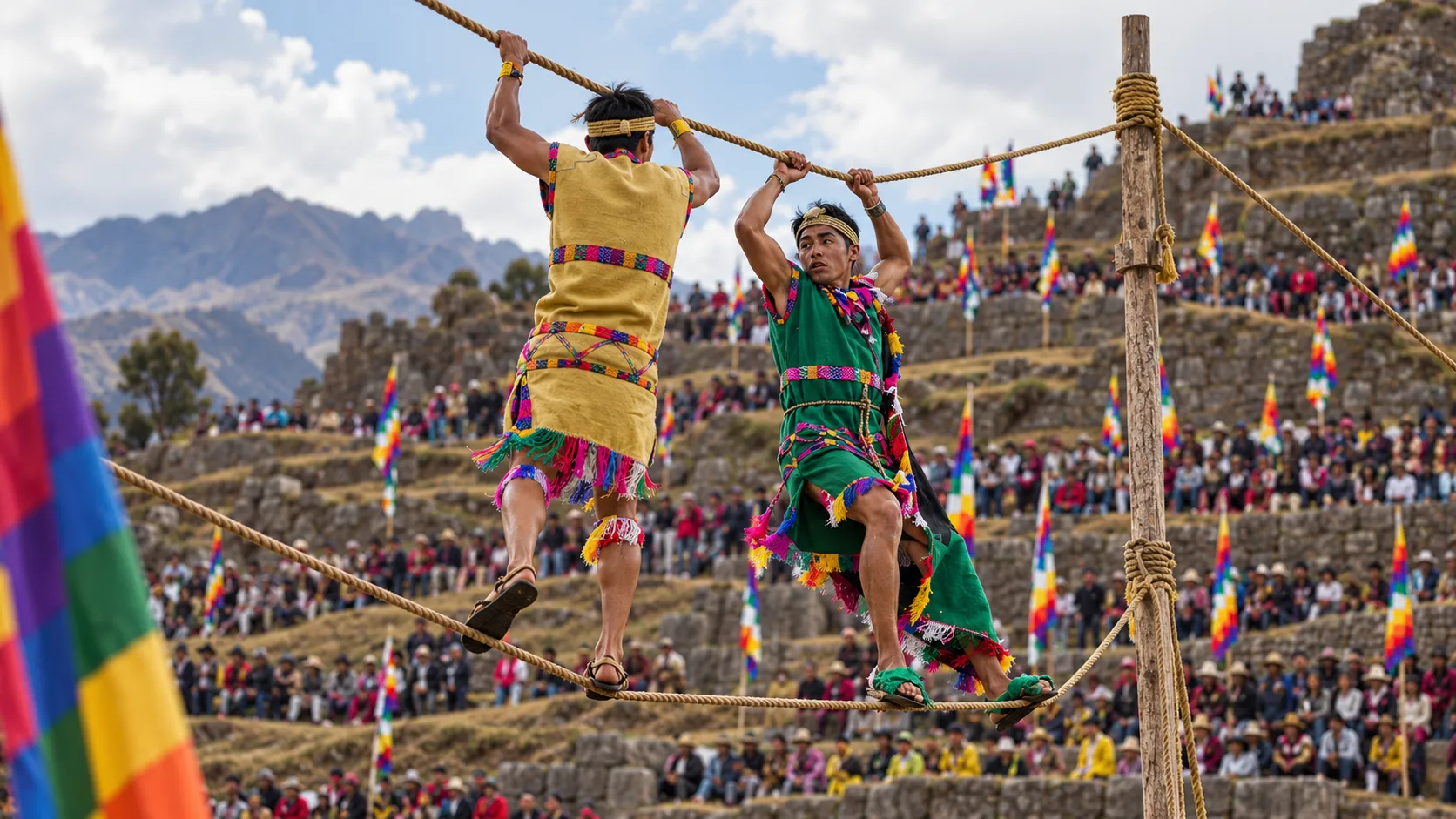
Third Sunday of September. 9 a.m. The pututos sound and 1,500 students from the National School of Sciences of Cusco set off in procession from their school to the Sacsayhuamán esplanade. They are going to compete — for real — in speed, strength, and endurance tests that replicate those the Tahuantinsuyo used to determine who was ready for adulthood. It is not a choreography. It is the Warachicuy, and in 2025 it was declared a Cultural Interest.
Are you planning to visit
Machu Picchu in 2026?
We would like to inform our travelers that availability for Circuit 1 and 2 for the months of November, December and January is at 85% of capacity. We recommend booking at least 3 months in advance.
New Circuits and Routes
The Ministry of Culture has consolidated the three main tours. As of 2026, Tour 2 (The Royal Route) remains the only one that allows visitors to take the classic photo from the Guardian’s House. We have adapted all our packages to ensure this access.
Digital Check-In and Biometric Verification
Say goodbye to long check-in lines! Starting this season, entry is faster thanks to the new digital check-in system. Our packages include full management of your personalized tickets to prevent errors on the state platform.
| Circuit | Ideal for... | Clasic photo | Difficulty |
|---|---|---|---|
| Circuit 1 (Panoramic) | High views and photo posts | Yes | Low |
| Circuit 2 (Andean) | Complete circuit through the ruins | Yes | Medium |
| Circuit 3 (Reality) | Persons or reduced movement | No | Very low |
Ask about our Machu Picchu packages
Explore the best of our land
Explore the breathtaking diversity of the Central Andes. From ancient archaeological wonders and surreal high-altitude landscapes to world-class gastronomy and Amazonian adventures, our updated 2026 guides showcase the very best of this premier global destination.