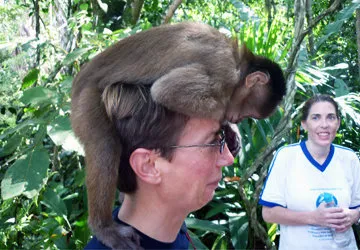
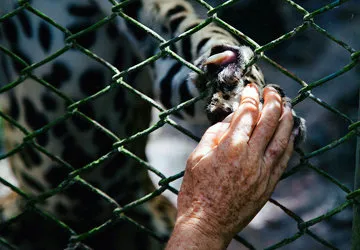
Playful monkey at the Amazon Animal Orphanage in Iquitos

Immerse Yourself in Iquitos in the Peruvian Amazon

Playful monkey at the Amazon Animal Orphanage in Iquitos
Jungle cat at the Amazon Animal Orphanage in Iquitos
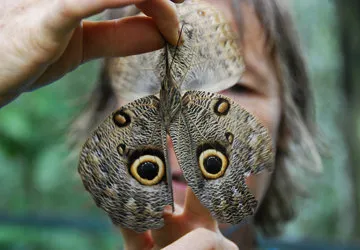
Pilpintuwasi Butterfly Farm near Iquitos, Peru

Travelers in the Peruvian Amazon's largest city, Iquitos, have plenty of opportunities to immerse themselves in the local culture, history, and wildlife:

Travelers in the Peruvian Amazon's largest city, Iquitos, have plenty of opportunities to immerse themselves in the local culture, history, and wildlife:

Immerse Yourself in Local Culture

Belen Market should be a first stop for travelers who want to experience local culture firsthand.

Here, locals go about their business buying and selling a fascinating array of products, including exotic fruits and animals that you might not be familiar with.

After the hustle and bustle of the city's largest market, why not visit the Yagua and Bora tribal villages to learn about traditional Amazonian culture. These two tribes interact greatly with Iquitos, but still preserve their local traditions. You can learn about the Boras traditional dances and receive blow gun lessons from the Yagua- just be sure to support their chosen semi-independent lifestyle by purchasing some of their handicrafts.

During the weekend, locals flock to the Malecón (Boulevard) to relax in its restaurants and bars and to watch its street musicians, dancers and comedians. This is a great time for people watching in general, and to sample a little of the city's vibe.

Interact with Wildlife

During your jungle tour, you should not handle any animals, despite the temptation to drape an anaconda around yourself or hug a monkey. It is very unethical to engage with wild animals in this way, but you can still get the photo opportunity you crave at the Amazon Animal Orphanage and Pilpintuwasi Butterfly Farm, a veritable tropical garden located a short boat ride and hike from the city. These animals are already domesticated in some way, so you won't harm them by getting up close and personal. Most of the animals roam freely, meaning you can socialize with the tapir, anteater, and monkeys. Only the jaguar is caged (in a spacious habitat with trees and a pool). The pond houses manatees and caiman, and macaws fly overhead.

If you haven't the time to make it to the orphanage, you can always stop by the zoo to see the large jungle cats that you are unlikely to spot in the wild during your jungle tour. Jaguars, ocelots, and marguays are nocturnal and prefer the dense forest, so only the luckiest among us spot one. The zoo can at least allow you to see these animals at close range. The zoo also boasts an aviary, serpentarium, botanical garden, and a lake where you can swim. If your inability to carry the sloths and wear the snakes saddens you, a smaller but more interactive option is Las Boas Jungle Menagerie on the Momon River.

Get to Know the Rivers

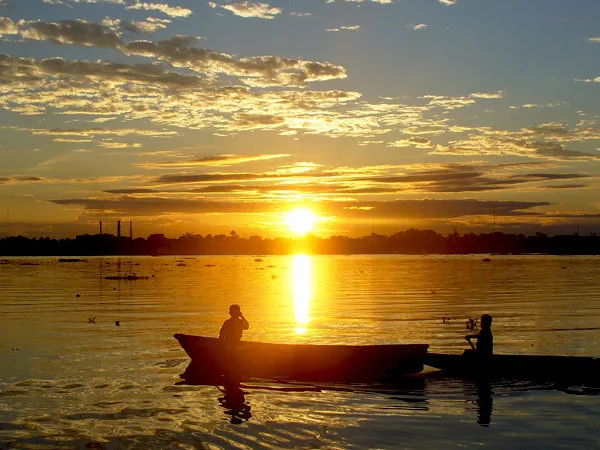
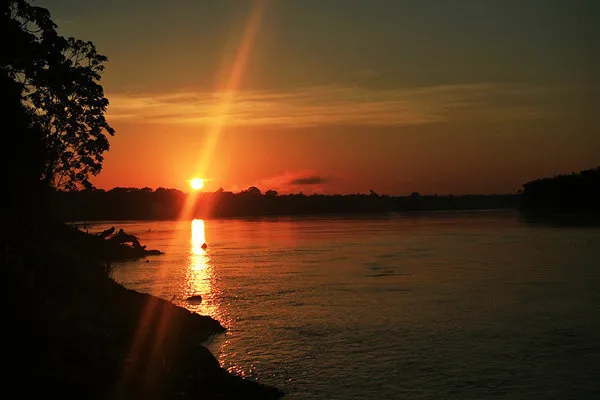
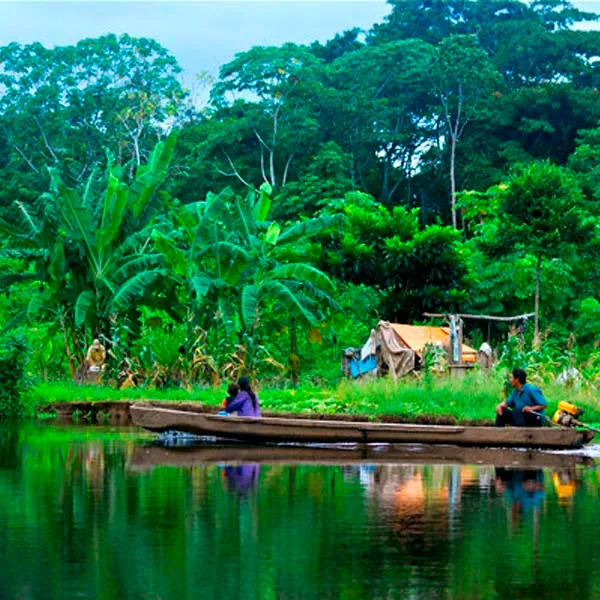
As the main source of transport, rivers are the lifeline of the Amazon. Iquitos itself grew into the rainforest's largest city thanks to its privileged location on the confluence of three rivers, one of which is the famous and massive Amazon River. You can take a ‘cruise' along the three rivers to look for the pink and gray river dolphins, explore the floating city of Belén, and observe the busy Iquitos ports.
Travelers in the Peruvian Amazon's largest city, Iquitos, have plenty of opportunities to immerse themselves in the local culture, history, and wildlife:

Travelers in the Peruvian Amazon's largest city, Iquitos, have plenty of opportunities to immerse themselves in the local culture, history, and wildlife:

Immerse Yourself in Local Culture

Belen Market should be a first stop for travelers who want to experience local culture firsthand.

Here, locals go about their business buying and selling a fascinating array of products, including exotic fruits and animals that you might not be familiar with.

After the hustle and bustle of the city's largest market, why not visit the Yagua and Bora tribal villages to learn about traditional Amazonian culture. These two tribes interact greatly with Iquitos, but still preserve their local traditions. You can learn about the Boras traditional dances and receive blow gun lessons from the Yagua- just be sure to support their chosen semi-independent lifestyle by purchasing some of their handicrafts.

During the weekend, locals flock to the Malecón (Boulevard) to relax in its restaurants and bars and to watch its street musicians, dancers and comedians. This is a great time for people watching in general, and to sample a little of the city's vibe.

Interact with Wildlife

During your jungle tour, you should not handle any animals, despite the temptation to drape an anaconda around yourself or hug a monkey. It is very unethical to engage with wild animals in this way, but you can still get the photo opportunity you crave at the Amazon Animal Orphanage and Pilpintuwasi Butterfly Farm, a veritable tropical garden located a short boat ride and hike from the city. These animals are already domesticated in some way, so you won't harm them by getting up close and personal. Most of the animals roam freely, meaning you can socialize with the tapir, anteater, and monkeys. Only the jaguar is caged (in a spacious habitat with trees and a pool). The pond houses manatees and caiman, and macaws fly overhead.

If you haven't the time to make it to the orphanage, you can always stop by the zoo to see the large jungle cats that you are unlikely to spot in the wild during your jungle tour. Jaguars, ocelots, and marguays are nocturnal and prefer the dense forest, so only the luckiest among us spot one. The zoo can at least allow you to see these animals at close range. The zoo also boasts an aviary, serpentarium, botanical garden, and a lake where you can swim. If your inability to carry the sloths and wear the snakes saddens you, a smaller but more interactive option is Las Boas Jungle Menagerie on the Momon River.

Get to Know the Rivers

As the main source of transport, rivers are the lifeline of the Amazon. Iquitos itself grew into the rainforest's largest city thanks to its privileged location on the confluence of three rivers, one of which is the famous and massive Amazon River. You can take a ‘cruise' along the three rivers to look for the pink and gray river dolphins, explore the floating city of Belén, and observe the busy Iquitos ports.
News, routes, and expert tips

Explore the latest from our Cusco travel blog. Get practical guides, Machu Picchu updates, and fresh trekking and culture recommendations. Everything you need to travel Cusco safely and stylishly in 2026. Your next Andean story starts here!

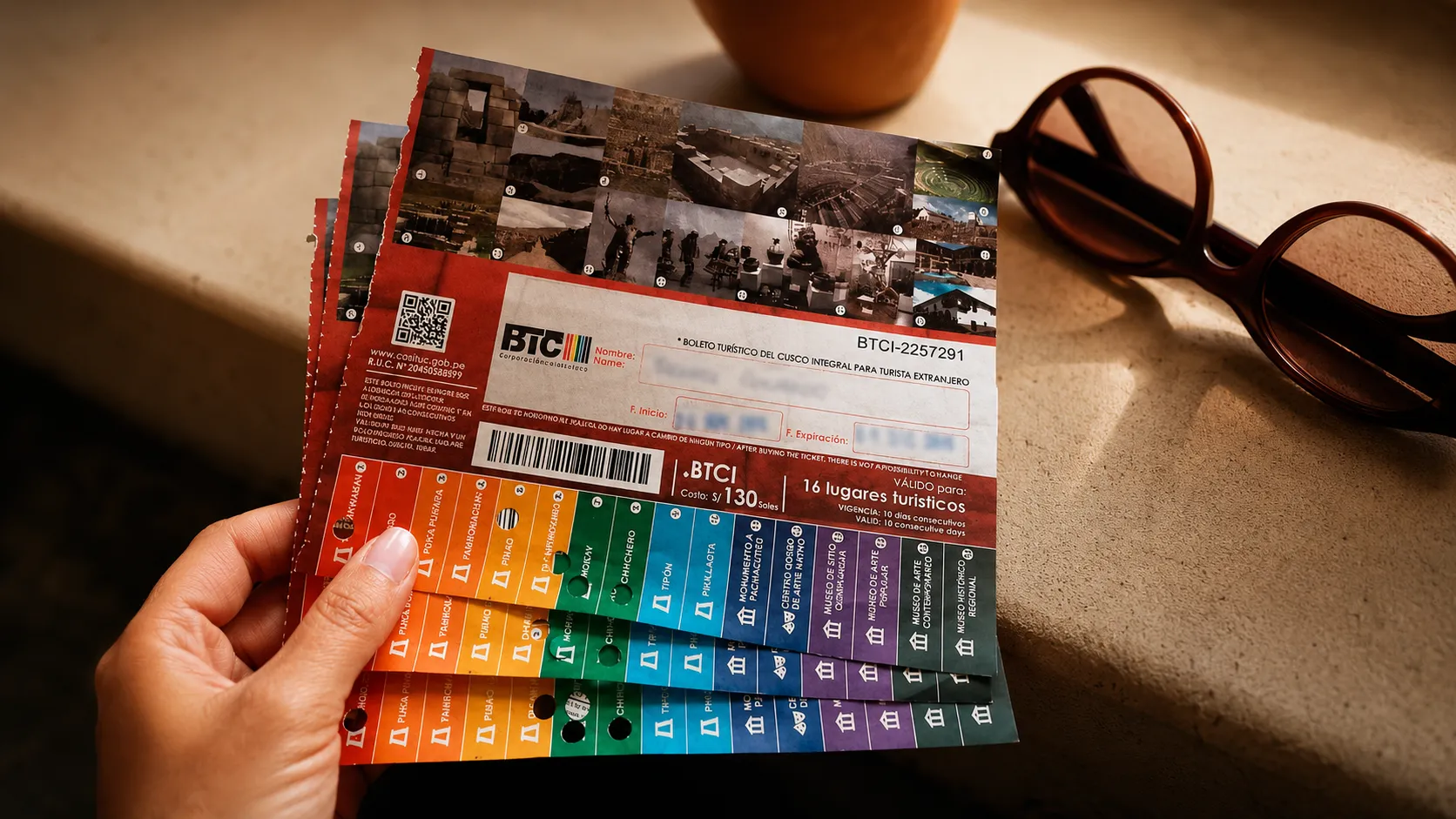
Inca World Travel Your ticket to Machu Picchu cannot be lent: What you need to know before the holiday

With the national holiday on August 6 (Battle of Junín) right around the corner, many travelers are organizing last-minute visits to Machu Picchu. Before buying, there is a rule that causes more trouble than it seems: the ticket is personal, unique, and non-transferable. Learn how this rule works at the checkpoint, why you cannot give your ticket away, and how to avoid inconveniences to enjoy your trip to the sanctuary with complete peace of mind.

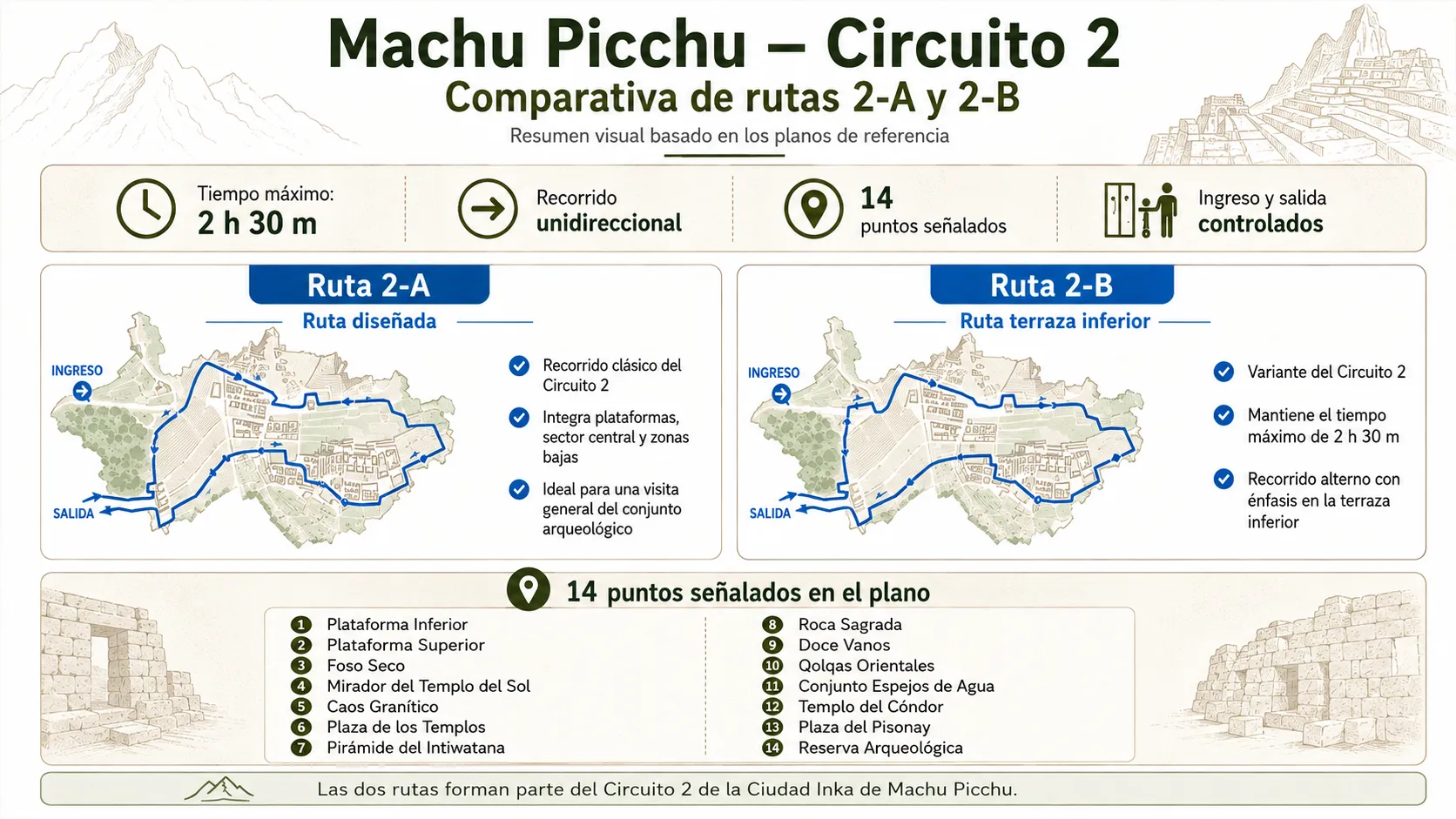
Inca World Travel Official Machu Picchu Circuits and Routes Guide 2026: How to Choose Your Ideal Ticket

Choosing your entry ticket to Machu Picchu is no longer just buying a simple ticket; it is selecting a strategic route for your trip. The official system organizes the citadel into 3 main circuits with 10 route variants tailored to different traveler profiles. From the classic panoramic photo to the ascent of Huayna Picchu or the legendary Inca Trail, understanding how each circuit works is key to avoiding inconveniences and securing your spot in advance on the official platform.

Inca World Travel Seven Natural Wonders Hidden By Peru Discover Now

Ready to explore beyond Machu Picchu? Discover the 7 natural wonders of Peru, a country brimming with hidden ecological treasures. From deep turquoise lagoons and the famous rainbow mountain of colors to surreal stone forests and vast rivers, these stunning destinations are waiting for you. Get ready to dive into the raw, untouched beauty of South America!

Are you planning to visit
Machu Picchu in 2026?

We would like to inform our travelers that availability for Circuit 1 and 2 for the months of September, October and November is at 85% of capacity. We recommend booking at least 3 months in advance.

New Circuits and Routes

The Ministry of Culture has consolidated the three main tours. As of 2026, Tour 2 (The Royal Route) remains the only one that allows visitors to take the classic photo from the Guardian’s House. We have adapted all our packages to ensure this access.

Digital Check-In and Biometric Verification

Say goodbye to long check-in lines! Starting this season, entry is faster thanks to the new digital check-in system. Our packages include full management of your personalized tickets to prevent errors on the state platform.

Circuit Ideal for... Clasic photo Difficulty
Circuit 1 (Panoramic) High views and photo posts Yes Low
Circuit 2 (Andean) Complete circuit through the ruins Yes Medium
Circuit 3 (Reality) Persons or reduced movement No Very low

Ask about our Machu Picchu packages

Explore the best of our land

Explore the breathtaking diversity of the Central Andes. From ancient archaeological wonders and surreal high-altitude landscapes to world-class gastronomy and Amazonian adventures, our updated 2026 guides showcase the very best of this premier global destination.