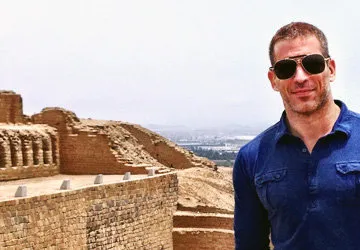
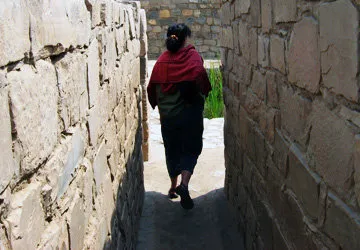
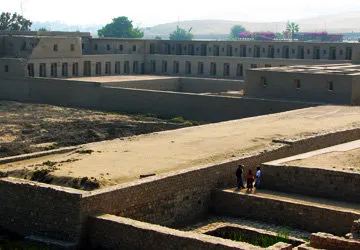
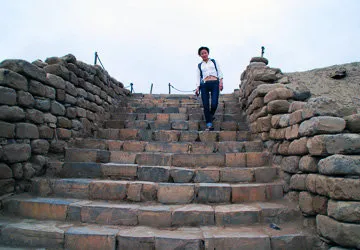
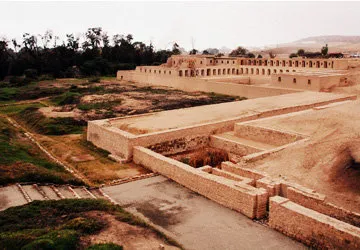
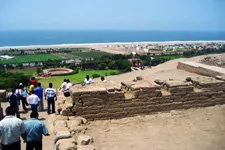
Pachacamac Archeological Site near Lima, Peru

A New National Museum for Pachacamac Archeological Sanctuary Near Lima, Peru

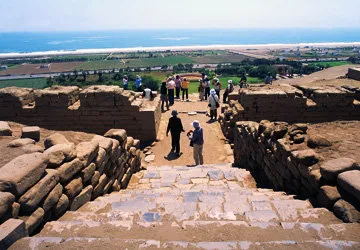
Pachacamac Archeological Site near Lima, Peru
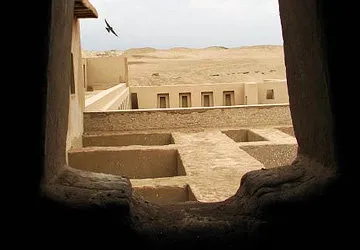
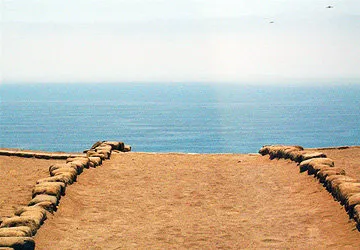
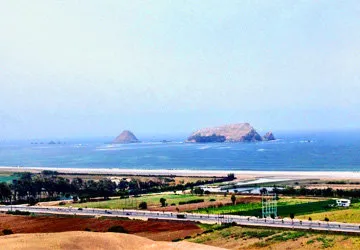
View From Pachacamac Archeological Site
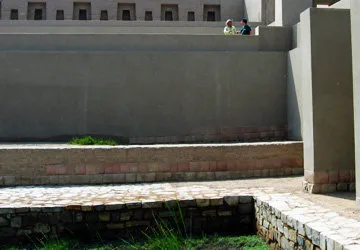
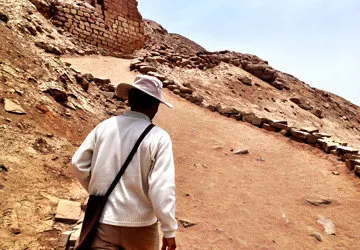
Pachacamac Archeological Site near Lima, Peru
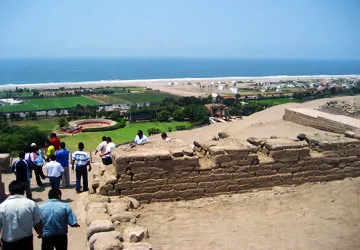
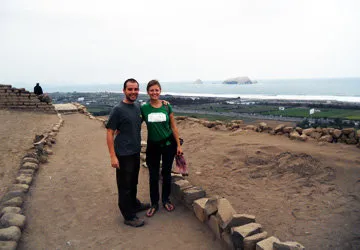
Mini. Pachacamac Archeological Site near Lima, Peru.
Cover. Pachacamac Archeological Site near Lima, Peru.

The most important archeological sanctuary on Peru's desert coast, where researchers are still excavating for relics and mummies among the pyramids, is going to get its own national museum, providing travelers with an even more compelling reason to visit.

The Peruvian Ministry of Culture has announced the construction of a new national museum within the Pachacamac Archeological Sanctuary this year. The work will commence as soon as the site excavations are complete. The plan has inspired high expectations; as Culture Minster Diana Alvarez Calderon enthused, "finally Peru will have the museum that everybody has been waiting for."

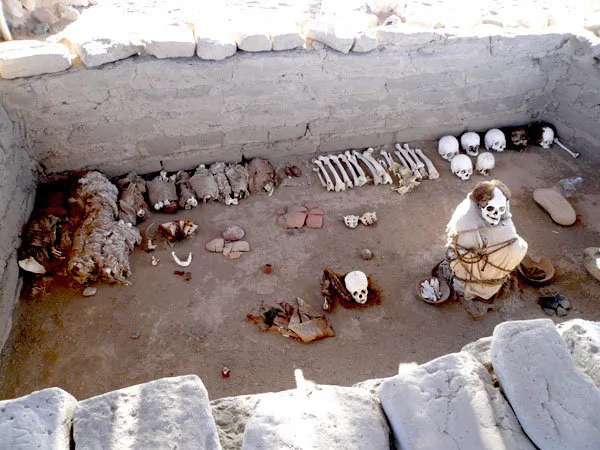
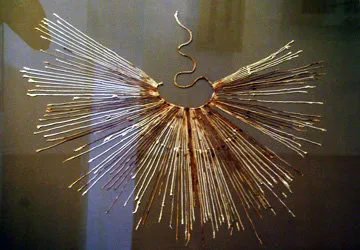
Pachacamac, located about 40km south of Lima in the Lurín River valley, is considered to be the most important archeological complex on the Peruvian desert coast. It includes 17 pyramids where mummies, textiles, and ceramic artifacts have been unearthed. The site has had its share of headline in the last several years, especially in 2012, when researchers unearthed 150 remarkably well-preserved mummies, including infants who were most likely killed for ritualistic reasons.

The new museum will be integrated into the site, with an eye towards visually connecting the interior with its surroundings while still being careful to respect the space of the existing structures. It will also incorpórate green spaces, and a meeting area with store, cafeteria, and restaurant.

The permanent collection will be extensive, as the site has provided an abundance of relics, and it provide insight into important pre-Columbian civilizations from the Huari to the Ichma and the Inca.  

It's projected that the museum will open around mid-2016, but visitors can explore the site even now, while excavations are still ongoing. You can reach the site from San Isidro/Miraflores in metropolitan Lima in about an hour by car, or arrange for a tour of Pachacamac.
The most important archeological sanctuary on Peru's desert coast, where researchers are still excavating for relics and mummies among the pyramids, is going to get its own national museum, providing travelers with an even more compelling reason to visit.

The Peruvian Ministry of Culture has announced the construction of a new national museum within the Pachacamac Archeological Sanctuary this year. The work will commence as soon as the site excavations are complete. The plan has inspired high expectations; as Culture Minster Diana Alvarez Calderon enthused, "finally Peru will have the museum that everybody has been waiting for."

Pachacamac, located about 40km south of Lima in the Lurín River valley, is considered to be the most important archeological complex on the Peruvian desert coast. It includes 17 pyramids where mummies, textiles, and ceramic artifacts have been unearthed. The site has had its share of headline in the last several years, especially in 2012, when researchers unearthed 150 remarkably well-preserved mummies, including infants who were most likely killed for ritualistic reasons.

The new museum will be integrated into the site, with an eye towards visually connecting the interior with its surroundings while still being careful to respect the space of the existing structures. It will also incorpórate green spaces, and a meeting area with store, cafeteria, and restaurant.

The permanent collection will be extensive, as the site has provided an abundance of relics, and it provide insight into important pre-Columbian civilizations from the Huari to the Ichma and the Inca.  

It's projected that the museum will open around mid-2016, but visitors can explore the site even now, while excavations are still ongoing. You can reach the site from San Isidro/Miraflores in metropolitan Lima in about an hour by car, or arrange for a tour of Pachacamac.
News, routes, and expert tips

Explore the latest from our Cusco travel blog. Get practical guides, Machu Picchu updates, and fresh trekking and culture recommendations. Everything you need to travel Cusco safely and stylishly in 2026. Your next Andean story starts here!

The festival starting Monday 28th that isn't touristy: San Jerónimo, 5 days

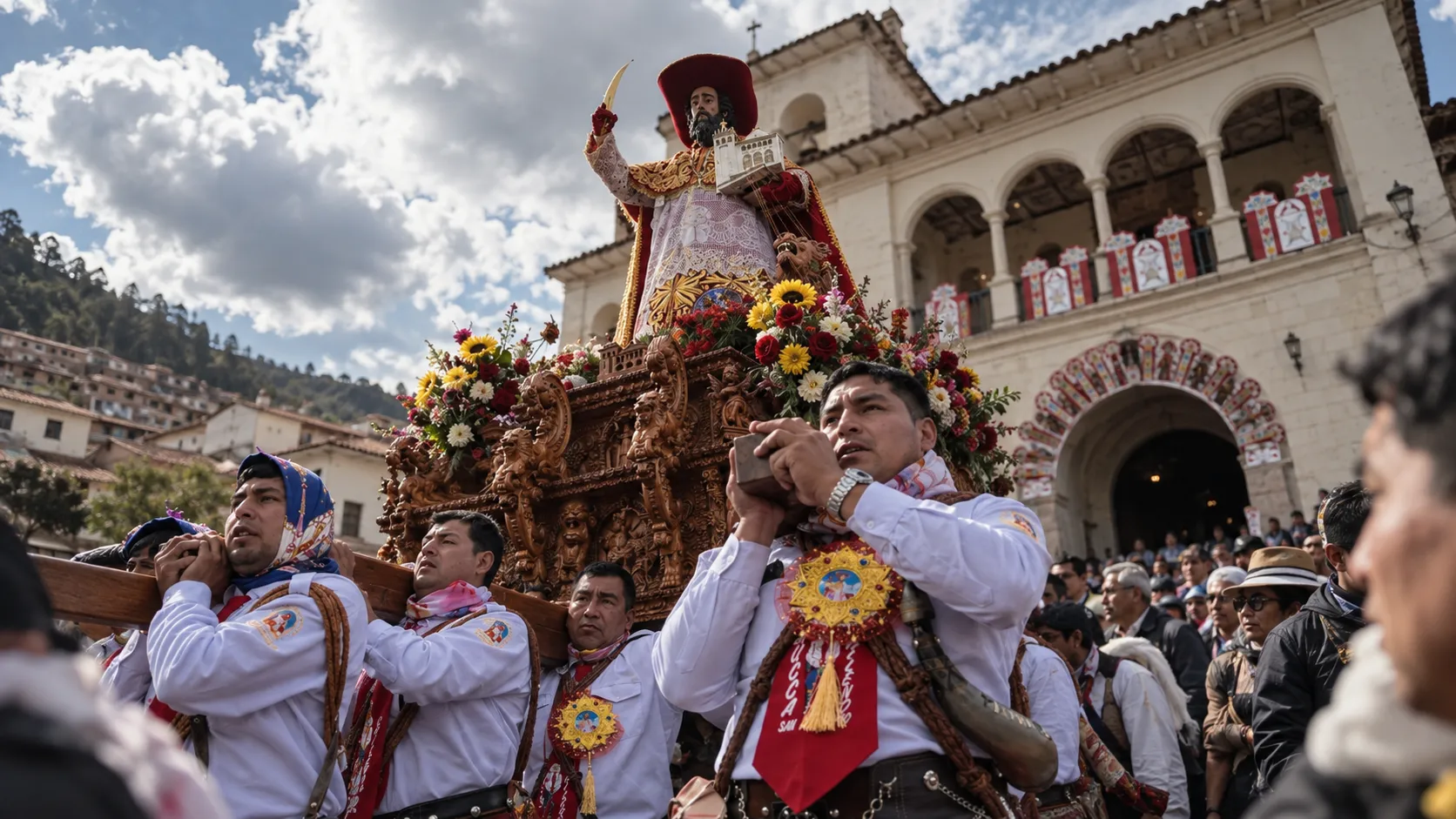
Just 11 kilometers from the Plaza de Armas, the historic district of San Jerónimo celebrates its patron saint every late September: 5 days of processions, 26+ dance troupes, a food fair, and a 16th-century church built on an Inca huaca. In 2016, it was declared Cultural Heritage of the Nation. Most tourists don't know it exists; many young locals don't either. This year it starts on Monday, September 28, with the main day on Wednesday 30.

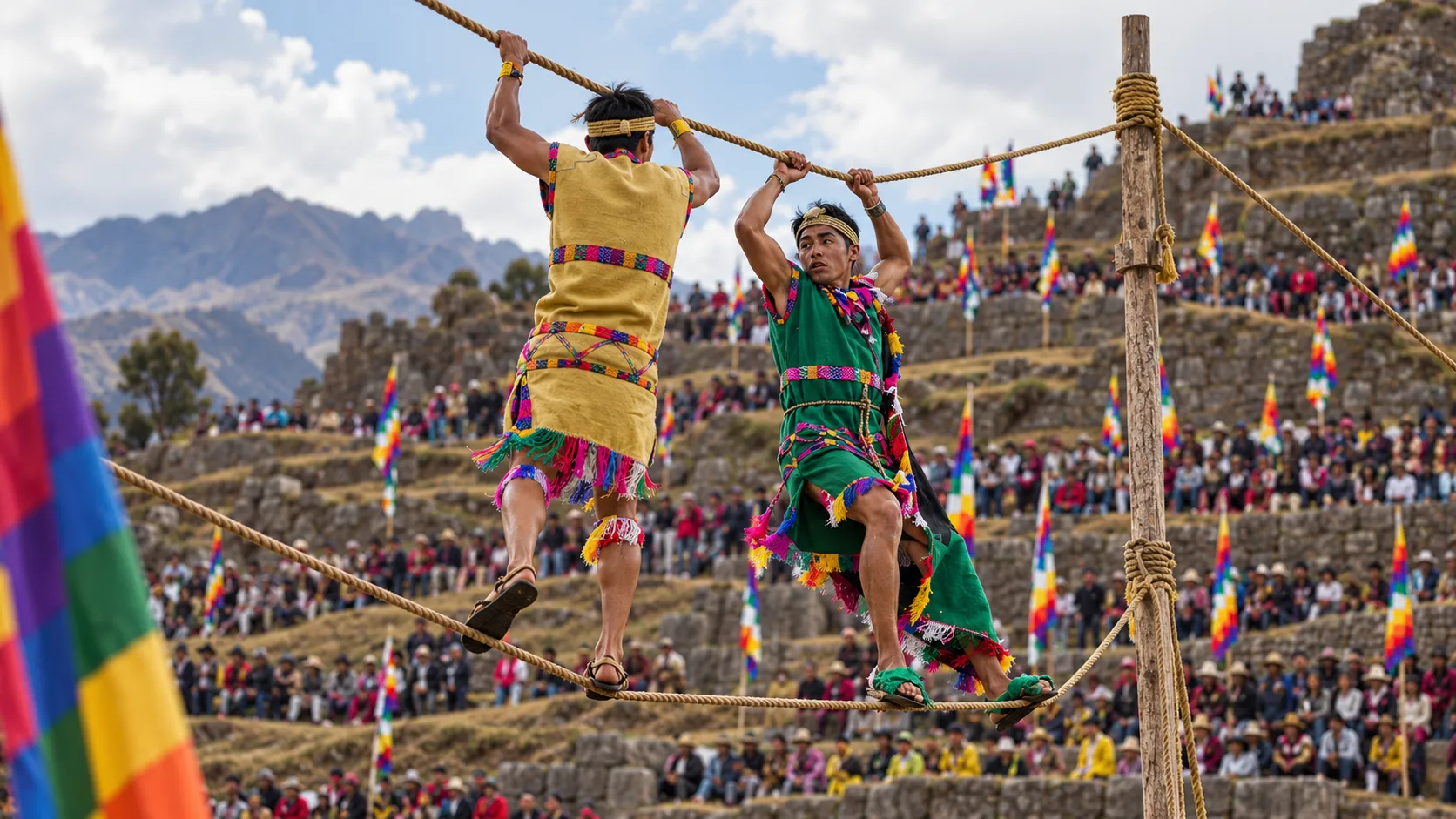
1,500 young people in Sacsayhuamán competing as they did 500 years ago

Third Sunday of September. 9 a.m. The pututos sound and 1,500 students from the National School of Sciences of Cusco set off in procession from their school to the Sacsayhuamán esplanade. They are going to compete — for real — in speed, strength, and endurance tests that replicate those the Tahuantinsuyo used to determine who was ready for adulthood. It is not a choreography. It is the Warachicuy, and in 2025 it was declared a Cultural Interest.

48 km on foot: How to reach the Señor de Huanca in Cusco

Every September 14, thousands of people walk 48 kilometers from the city of Cusco to the sanctuary of the Señor de Huanca, in the district of San Salvador, province of Calca, at 3,100 m.a.s.l. It is neither a tourist trekking trip nor an organized tour: it is a genuine pilgrimage that sets off at night from San Jerónimo and arrives at dawn on the main day. Here we explain the route, what it physical demands, and why this tradition continues to draw devotees from all over Peru and neighboring countries.

Are you planning to visit
Machu Picchu in 2026?

We would like to inform our travelers that availability for Circuit 1 and 2 for the months of September, October and November is at 85% of capacity. We recommend booking at least 3 months in advance.

New Circuits and Routes

The Ministry of Culture has consolidated the three main tours. As of 2026, Tour 2 (The Royal Route) remains the only one that allows visitors to take the classic photo from the Guardian’s House. We have adapted all our packages to ensure this access.

Digital Check-In and Biometric Verification

Say goodbye to long check-in lines! Starting this season, entry is faster thanks to the new digital check-in system. Our packages include full management of your personalized tickets to prevent errors on the state platform.

Circuit Ideal for... Clasic photo Difficulty
Circuit 1 (Panoramic) High views and photo posts Yes Low
Circuit 2 (Andean) Complete circuit through the ruins Yes Medium
Circuit 3 (Reality) Persons or reduced movement No Very low

Ask about our Machu Picchu packages

Explore the best of our land

Explore the breathtaking diversity of the Central Andes. From ancient archaeological wonders and surreal high-altitude landscapes to world-class gastronomy and Amazonian adventures, our updated 2026 guides showcase the very best of this premier global destination.