
5 Things Not to Miss in Arequipa




Arequipa is considered Peru's 'second city', after the country's capital Lima, but it is actually considered a trip highlight by most travelers, who are wooed by the city's distinct architecture, savory dishes, and an outsized landscape boasting numerous volcanoes and the deepest canyons in the world…
Published on 07-07-2014, por Inca World
Arequipa is considered Peru's 'second city', after the country's capital Lima, but it is actually considered a trip highlight by most travelers, who are wooed by the city's distinct architecture, savory dishes, and an outsized landscape boasting numerous volcanoes and the deepest canyons in the world…
1. Admire the Singular Architecture of the city center
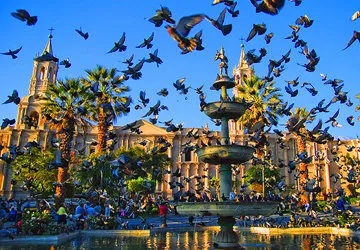
Arequipa's beautiful historical center was declared a UNESCO world heritage site fourteen years ago, in celebration of its unique and beautiful architecture. The buildings were built of a pearly volcanic rock known locally as sillar, and their façades boast intricate carvings with indigenous elements, such as pumas and snakes, mixed with European elements in a style now known as mestizo-baroque. The pièce de résistance is the city's cathedral, which is so large that it takes up an entire side of the main square. Tours of the cathedral end on the rooftop, which offers novel views overlooking the square.
2. Admire the ‘City within a City', Santa Catalina Monastery
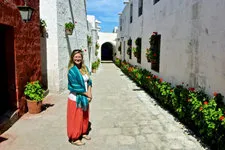
The múdejar-style Santa Catalina Monastery defies expectations in that it's a citadel in itself. Centuries ago, it was home to the wealthiest nuns of Arequipa, who lived luxuriously within its brightly painted walls while their servants and lower-class nuns lived in Spartan conditions. It boasts its own flower-lined cobblestone streets and tranquil parks, while at the same time hides mysterious artifacts such as human hearts preserved in jars and paintings of dead nuns.
3. Watch the Condors of Colca Canyon Soar Overhead
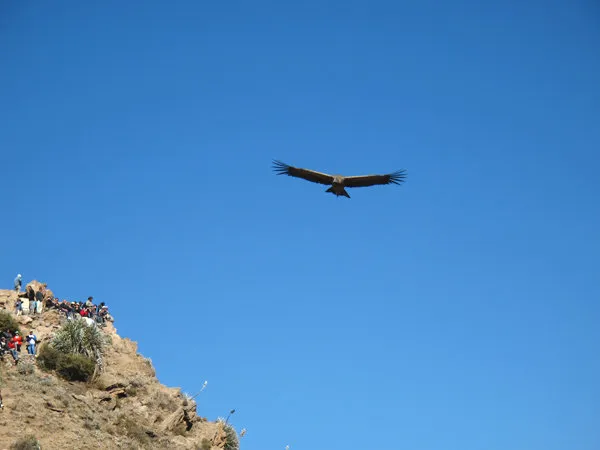
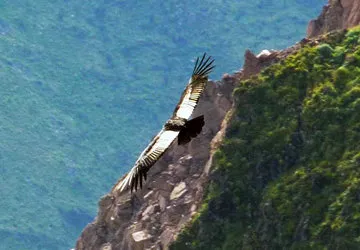
Arequipa's surrounding countryside boasts the two deepest canyons in the world, Cotahuasi and Colca. Although the former is deeper, the latter is popular for its condor colonies. At the natural lookout of Condor's Cross, visitors wait each day for the endangered Andean condors, the world's largest birds of flight, to leave their nesting colonies below and begin circling in search of food. At Condor's Cross, one can admire these creatures at surprisingly close range.
4. Peer into a Volcano's Crater
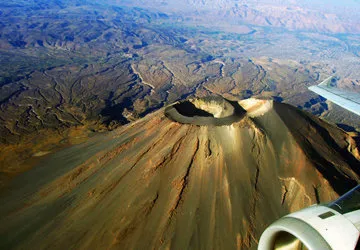
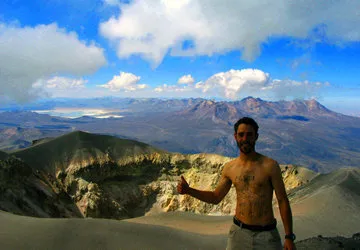
The iconic symbol of Arequipa is the conical El Misti Volcano which, flanked by fellow volcanoes Picchu Picchu and Chachani, defines the city's skyline. 2-day treks to the crater are offered, which are not physically demanding. Although it's a sandy hike, the summit offers views overlooking the White City of Arequipa, its green countryside, and the crater itself. On a clear day, you can see as far as the Pacific Ocean.
5. Sample the Fabled Local Cuisine
On Sundays, locals flock to Arequipa's traditional eateries, the picanterías, to indulge in the same dishes that have characterized the city for generations. The picanterías were honored by the Peruvian Ministry of Culture this year when they were declared part of the Peru's intangible heritage for their role as guardians of local food traditions as well as spaces where social spaces where different social classes interact. Dishes that you should consider trying include stuffed red pepper (rocoto relleno), a spicy pork chop soup known as adobo, flattened and fried whole guinea pig (cuy chactado), crayfish chowder (chupe de camarones), and boiled potatoes bathed in a peanut cheese sauce (ocopa arequipeña).
Arequipa is considered Peru's 'second city', after the country's capital Lima, but it is actually considered a trip highlight by most travelers, who are wooed by the city's distinct architecture, savory dishes, and an outsized landscape boasting numerous volcanoes and the deepest canyons in the world…
Published on 07-07-2014, por Inca World
Arequipa is considered Peru's 'second city', after the country's capital Lima, but it is actually considered a trip highlight by most travelers, who are wooed by the city's distinct architecture, savory dishes, and an outsized landscape boasting numerous volcanoes and the deepest canyons in the world…
1. Admire the Singular Architecture of the city center
Arequipa's beautiful historical center was declared a UNESCO world heritage site fourteen years ago, in celebration of its unique and beautiful architecture. The buildings were built of a pearly volcanic rock known locally as sillar, and their façades boast intricate carvings with indigenous elements, such as pumas and snakes, mixed with European elements in a style now known as mestizo-baroque. The pièce de résistance is the city's cathedral, which is so large that it takes up an entire side of the main square. Tours of the cathedral end on the rooftop, which offers novel views overlooking the square.
2. Admire the ‘City within a City', Santa Catalina Monastery
The múdejar-style Santa Catalina Monastery defies expectations in that it's a citadel in itself. Centuries ago, it was home to the wealthiest nuns of Arequipa, who lived luxuriously within its brightly painted walls while their servants and lower-class nuns lived in Spartan conditions. It boasts its own flower-lined cobblestone streets and tranquil parks, while at the same time hides mysterious artifacts such as human hearts preserved in jars and paintings of dead nuns.
3. Watch the Condors of Colca Canyon Soar Overhead
Arequipa's surrounding countryside boasts the two deepest canyons in the world, Cotahuasi and Colca. Although the former is deeper, the latter is popular for its condor colonies. At the natural lookout of Condor's Cross, visitors wait each day for the endangered Andean condors, the world's largest birds of flight, to leave their nesting colonies below and begin circling in search of food. At Condor's Cross, one can admire these creatures at surprisingly close range.
4. Peer into a Volcano's Crater
The iconic symbol of Arequipa is the conical El Misti Volcano which, flanked by fellow volcanoes Picchu Picchu and Chachani, defines the city's skyline. 2-day treks to the crater are offered, which are not physically demanding. Although it's a sandy hike, the summit offers views overlooking the White City of Arequipa, its green countryside, and the crater itself. On a clear day, you can see as far as the Pacific Ocean.
5. Sample the Fabled Local Cuisine
On Sundays, locals flock to Arequipa's traditional eateries, the picanterías, to indulge in the same dishes that have characterized the city for generations. The picanterías were honored by the Peruvian Ministry of Culture this year when they were declared part of the Peru's intangible heritage for their role as guardians of local food traditions as well as spaces where social spaces where different social classes interact. Dishes that you should consider trying include stuffed red pepper (rocoto relleno), a spicy pork chop soup known as adobo, flattened and fried whole guinea pig (cuy chactado), crayfish chowder (chupe de camarones), and boiled potatoes bathed in a peanut cheese sauce (ocopa arequipeña).
News, routes, and expert tips
Explore the latest from our Cusco travel blog. Get practical guides, Machu Picchu updates, and fresh trekking and culture recommendations. Everything you need to travel Cusco safely and stylishly in 2026. Your next Andean story starts here!
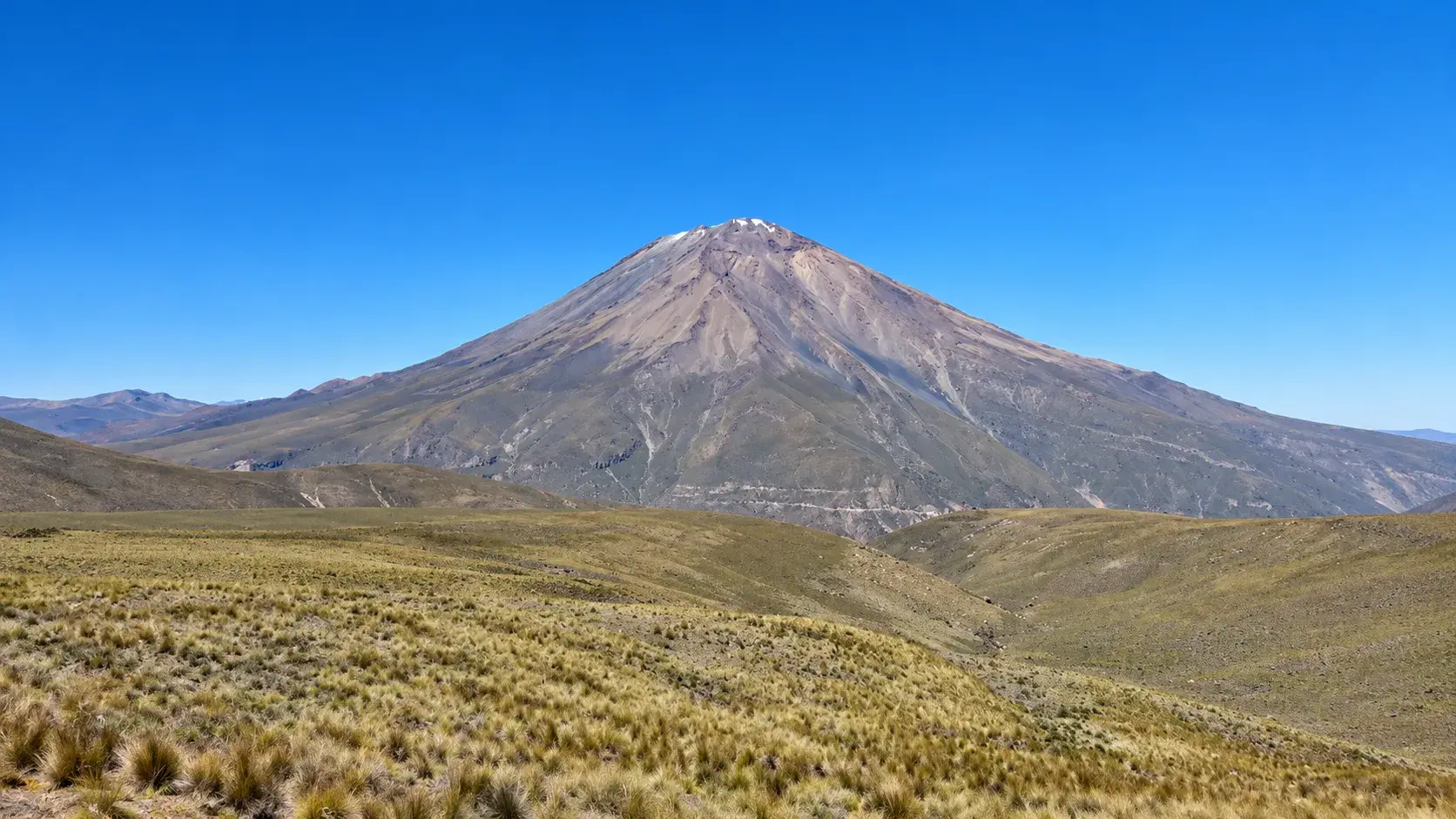
Arequipa’s white color isn’t paint: it’s volcanic stone. Discover the history, architecture, and Andean legacy of a heritage gem standing majestically at the foot of the Misti Volcano, serving as a key starting point in southern Peru.
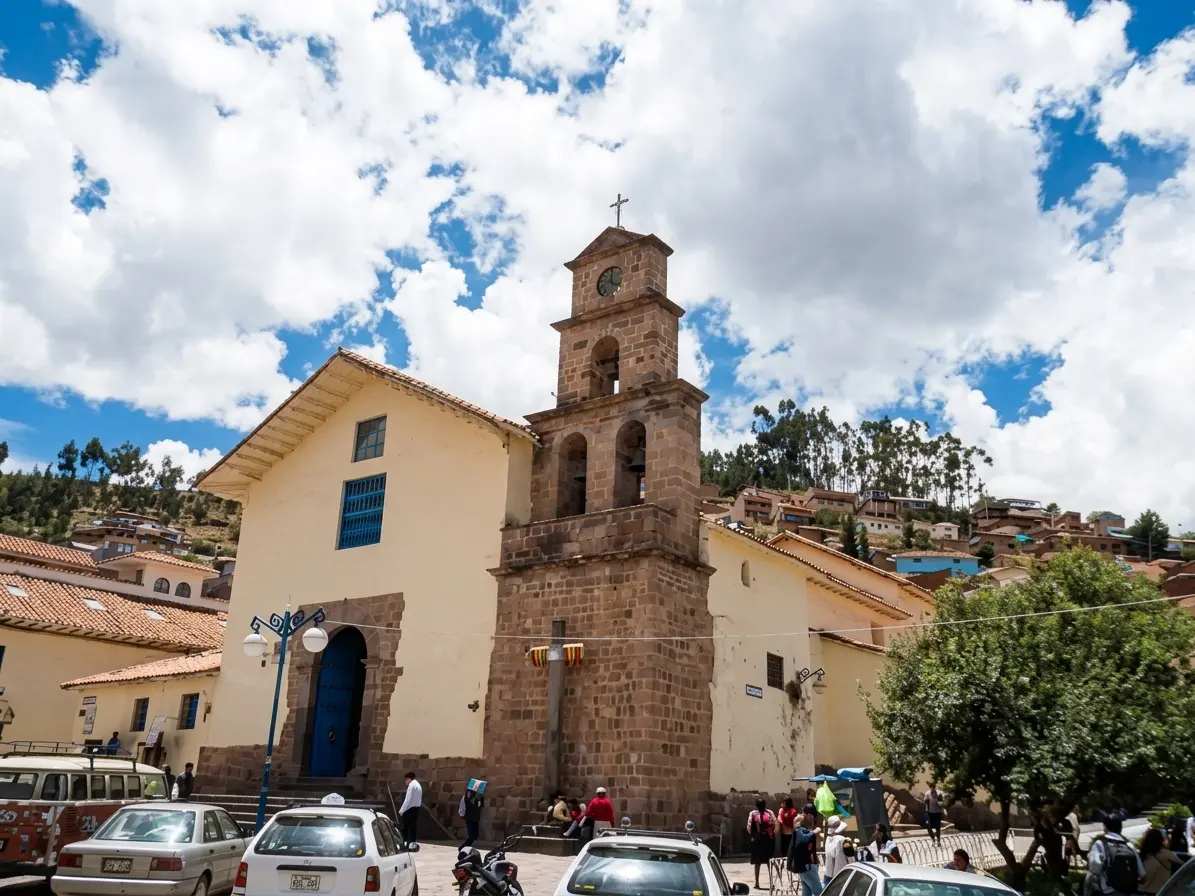
Explore the iconic San Blas neighborhood in Cusco, known as the "Balcony of Cusco" and home to Peru's finest artisans. Discover its rich history from Inca times, how to walk from Plaza de Armas past the 12-Angled Stone, its famous art galleries (Mendívil and Mérida families), panoramic viewpoint, San Blas Church, and Saturday craft market. Plan your walking tour with Inca World Travel.
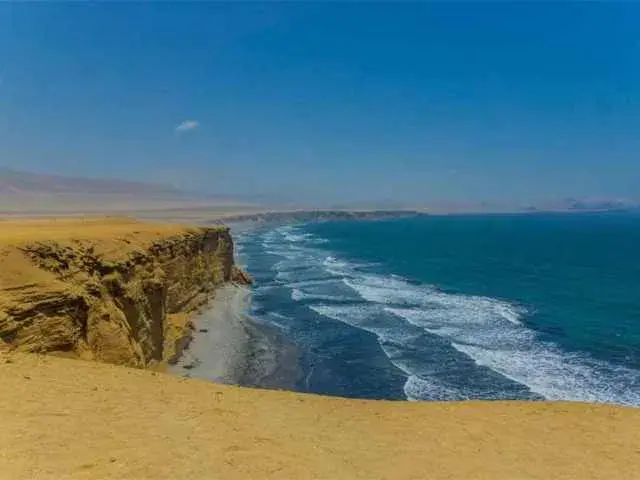
Planning a trip to Ica? Discover the top tourist attractions in Ica, Peru: the iconic Huacachina Oasis, Paracas National Reserve, enigmatic Nazca Lines, the Pisco Route, and Canyon of the Lost. Find key details on location, how to get there from Lima or Cusco, travel times, weather, and top regional museums in this comprehensive travel guide by Inca World Travel.
Are you planning to visit
Machu Picchu in 2026?
We would like to inform our travelers that availability for Circuit 1 and 2 for the months of November, December and January is at 85% of capacity. We recommend booking at least 3 months in advance.
New Circuits and Routes
The Ministry of Culture has consolidated the three main tours. As of 2026, Tour 2 (The Royal Route) remains the only one that allows visitors to take the classic photo from the Guardian’s House. We have adapted all our packages to ensure this access.
Digital Check-In and Biometric Verification
Say goodbye to long check-in lines! Starting this season, entry is faster thanks to the new digital check-in system. Our packages include full management of your personalized tickets to prevent errors on the state platform.
| Circuit | Ideal for... | Clasic photo | Difficulty |
|---|---|---|---|
| Circuit 1 (Panoramic) | High views and photo posts | Yes | Low |
| Circuit 2 (Andean) | Complete circuit through the ruins | Yes | Medium |
| Circuit 3 (Reality) | Persons or reduced movement | No | Very low |
Ask about our Machu Picchu packages
Explore the best of our land
Explore the breathtaking diversity of the Central Andes. From ancient archaeological wonders and surreal high-altitude landscapes to world-class gastronomy and Amazonian adventures, our updated 2026 guides showcase the very best of this premier global destination.