48 km on foot: How to reach the Señor de Huanca in Cusco
Every September 14, thousands of people walk 48 kilometers from the city of Cusco to the sanctuary of the Señor de Huanca, in the district of San Salvador, province of Calca, at 3,100 m.a.s.l. It is neither a tourist trekking trip nor an organized tour: it is a genuine pilgrimage that sets off at night from San Jerónimo and arrives at dawn on the main day. Here we explain the route, what it physical demands, and why this tradition continues to draw devotees from all over Peru and neighboring countries.
Published on 05-09-2026, por Inca World
What is the Lord of Huanca
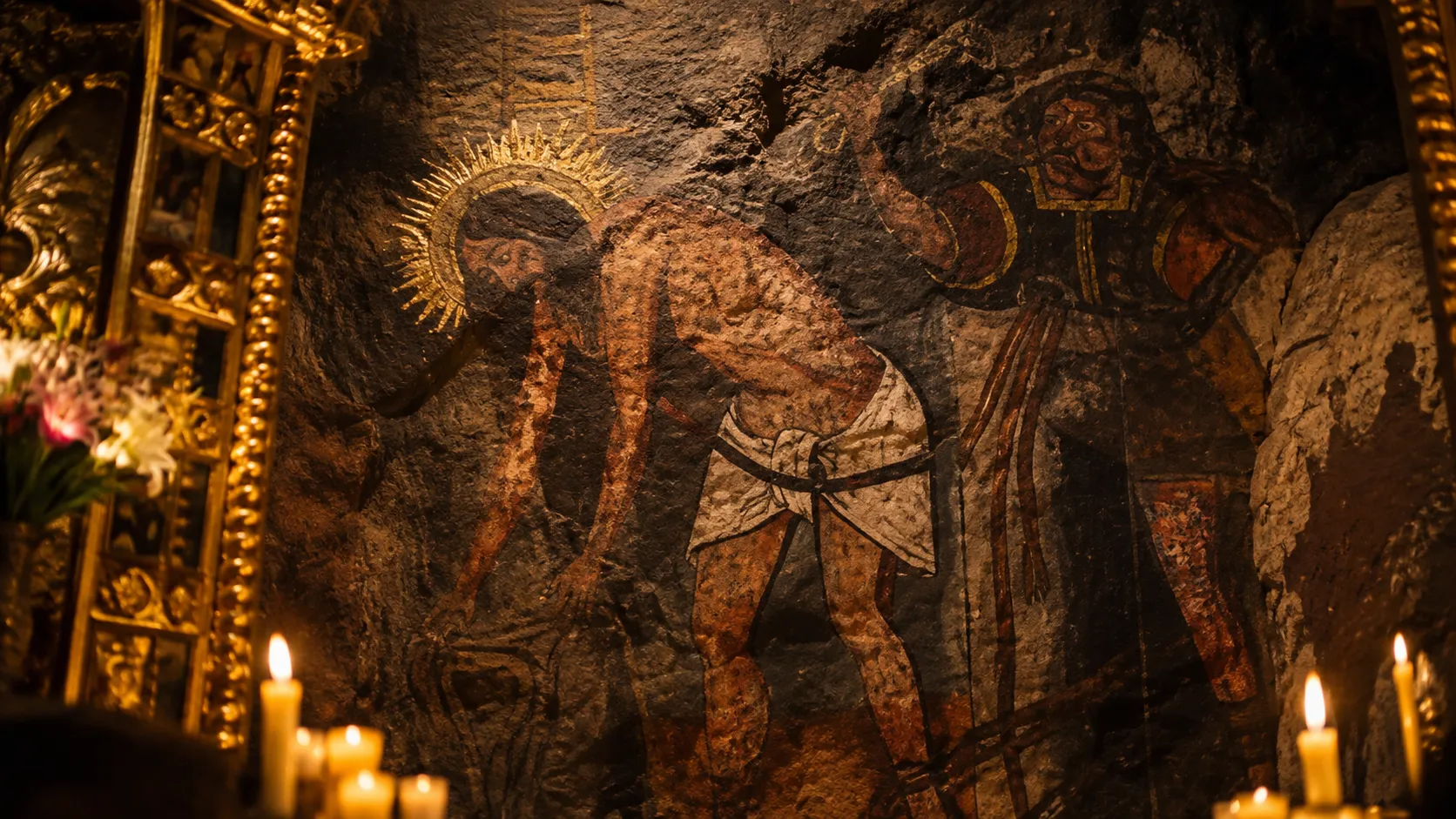
The Lord of Huanca (Señor de Huanca) is a revered invocation of the martyred and flogged Christ, whose original image is painted on living rock in a ravine in the Huanca area, San Salvador district, Calca province. Nestled in the mountains at 3,100 meters above sea level (10,170 ft), this sanctuary stands apart from urban cathedrals: reaching its feet is a genuine act of faith, penance, and gratitude. The iconography depicts Jesus receiving lashes with overwhelming drama, serving as a symbol of redemption and spiritual strength for the devout.
The devotion originated toward the end of the 17th century following apparitions witnessed by local community members. The main festival is commemorated every September 14, bringing together tens of thousands of pilgrims from the 13 provinces of Cusco, as well as delegations from Puno, Arequipa, Bolivia, Argentina, and Chile.
The Night Pilgrimage: 48 km from San Jerónimo
The traditional route begins on foot on the night of September 13 in the district of San Jerónimo, southeast of Cusco. Devotees walk through the dawn to reach the temple with the first rays of light on September 14, the peak moment of the festival.
The trail passes through communities such as Huaccoto and Huancapata, skirting the slopes of Mount Apu Pachatusan. The trek requires between 5 and 7 hours of continuous effort and consists of demanding sections:
- Starting point: San Jerónimo Main Square (3,250 m / 10,660 ft) between 7:00 p.m. and 9:00 p.m.
- Mountain ascent: Crossing the pass above 4,100 m (13,450 ft), with nighttime temperatures near 0 °C (32 °F).
- Stony descent: Continuous downhill walk through ravines toward the sanctuary (3,100 m / 10,170 ft), demanding strong ankle and knee stability.
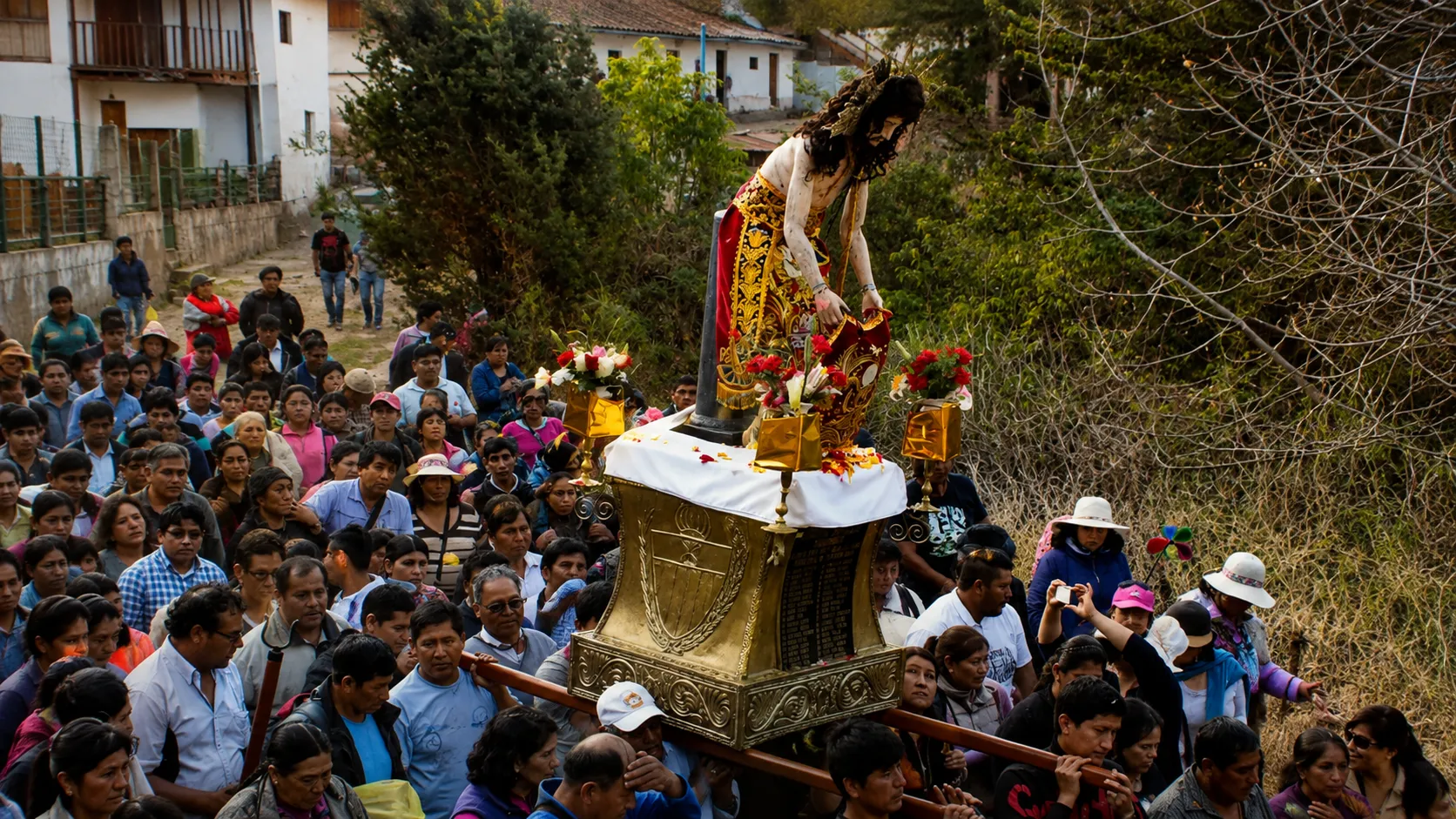
Pilgrims press forward illuminated by flashlights and candles, chanting Andean prayers under a starry sky while defying the harsh night cold.
Physical Preparation and Recommended Gear
Since this is not a flat trail, the journey requires responsible preparation and suitable physical condition. Consider these essential recommendations:
- Trekking footwear: Hiking shoes or boots with optimal grip, broken in beforehand to prevent blisters.
- Layered clothing: Breathable thermal base layer, fleece or down jacket, and a waterproof windbreaker.
- Warm accessories: Gloves, a woolen hat (chullo) or beanie, and a scarf to counter the freezing air.
- Lighting: Headlamp with extra batteries.
- Trail snacks: Water (at least 1.5 liters), dry fruits/nuts, chocolate, and coca leaves to alleviate weariness at high altitude.
How to Get There by Vehicle
Those who prefer not to walk can take the paved road Cusco – Saylla – Oropesa – San Salvador. By car or taxi, the drive takes between 50 and 90 minutes, although traffic delays around Angostura should be anticipated. Regular shared minivans (colectivos) also operate to San Salvador; from there, you can walk or take local transport to cover the final 2 kilometers to the entrance.
Main Day Activities: September 14
September 14 experiences a moving community atmosphere. Lines to enter the shrine and touch the blessed rock are continuous. Liturgical celebrations start at 4:00 a.m., with successive Masses at 6:00 a.m. and 8:00 a.m., followed by the Main Mass at 10:00 a.m., and afternoon Masses at 3:00 p.m. and 5:00 p.m. On the outer esplanade, traditional dance troupes pay homage accompanied by native music and chants in Quechua.
Faith, Art, and Dining: The Cusqueñan Cultural Experience
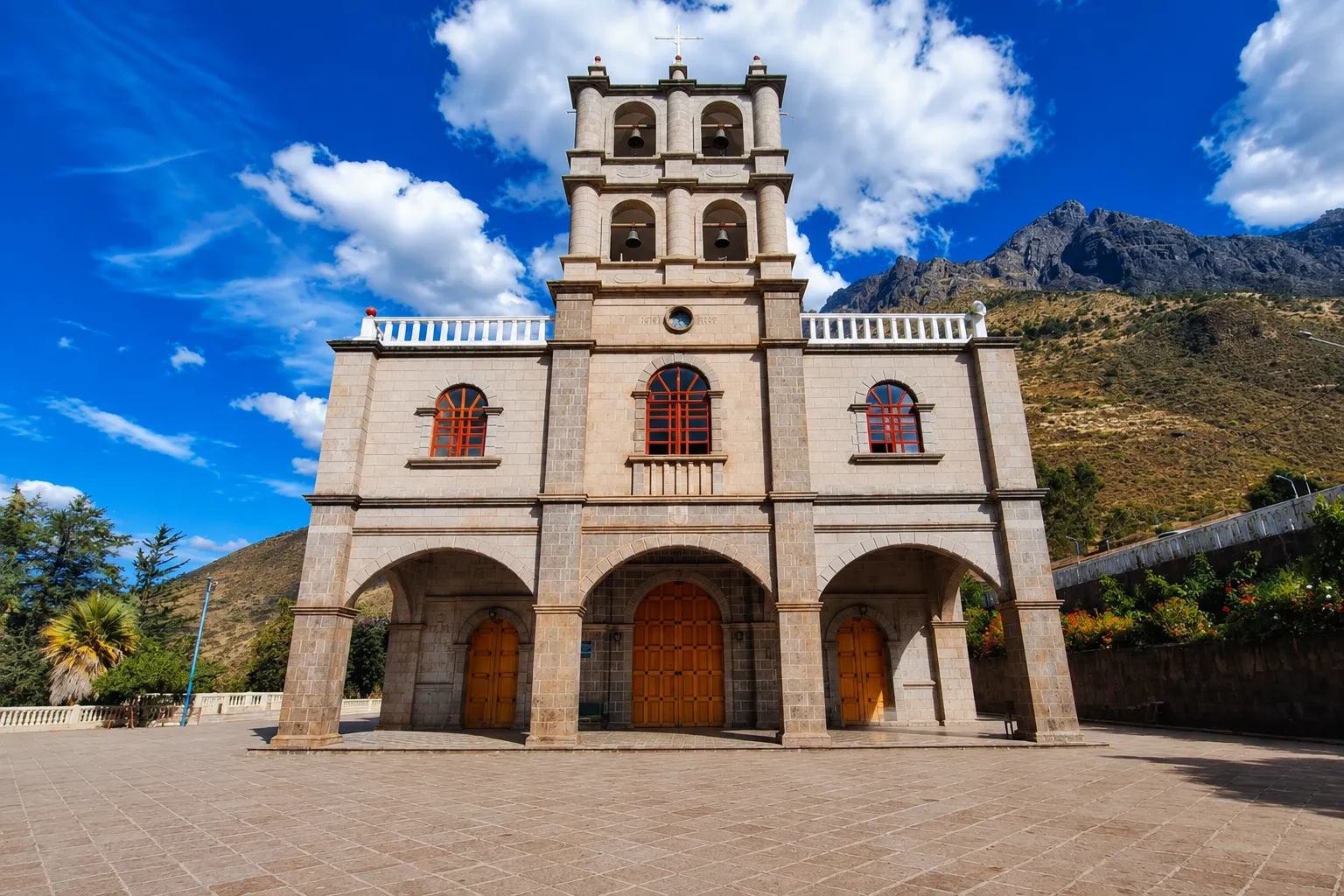
Devotion to the Lord of Huanca is a clear example of Andean-Christian syncretism. To delve deeper into this artistic richness, the Andean Baroque Route will take you through the churches of Andahuaylillas, Huaro, and Canincunca, where carved altarpieces and colonial canvases express that same dialogue between two cultures.
Likewise, Calca is an integral part of the valley. If you are in the area, take the opportunity to explore the entire Sacred Valley, visiting the impressive archaeological sites of Pisac, Ollantaytambo, and Chinchero.
On the culinary front, faith and Cusqueñan gastronomy walk hand in hand. Such is the case with the ancestral custom of preparing the twelve dishes of Holy Week in Cusco, where local farm produce takes center stage during the celebration.
Another highlight of popular gathering is the traditional Chiriuchu Festival in San Francisco Square during Corpus Christi, offering a diverse mosaic of signature flavors from the southern Andes.
Finally, to experience community life and ancient trails firsthand, experiential tourism in high Andean communities invites you to live alongside local families and hike toward Huchuy Qosqo, discovering Cusco from its deepest identity.
Every September 14, thousands of people walk 48 kilometers from the city of Cusco to the sanctuary of the Señor de Huanca, in the district of San Salvador, province of Calca, at 3,100 m.a.s.l. It is neither a tourist trekking trip nor an organized tour: it is a genuine pilgrimage that sets off at night from San Jerónimo and arrives at dawn on the main day. Here we explain the route, what it physical demands, and why this tradition continues to draw devotees from all over Peru and neighboring countries.
Published on 05-09-2026, por Inca World
What is the Lord of Huanca
The Lord of Huanca (Señor de Huanca) is a revered invocation of the martyred and flogged Christ, whose original image is painted on living rock in a ravine in the Huanca area, San Salvador district, Calca province. Nestled in the mountains at 3,100 meters above sea level (10,170 ft), this sanctuary stands apart from urban cathedrals: reaching its feet is a genuine act of faith, penance, and gratitude. The iconography depicts Jesus receiving lashes with overwhelming drama, serving as a symbol of redemption and spiritual strength for the devout.
The devotion originated toward the end of the 17th century following apparitions witnessed by local community members. The main festival is commemorated every September 14, bringing together tens of thousands of pilgrims from the 13 provinces of Cusco, as well as delegations from Puno, Arequipa, Bolivia, Argentina, and Chile.
The Night Pilgrimage: 48 km from San Jerónimo
The traditional route begins on foot on the night of September 13 in the district of San Jerónimo, southeast of Cusco. Devotees walk through the dawn to reach the temple with the first rays of light on September 14, the peak moment of the festival.
The trail passes through communities such as Huaccoto and Huancapata, skirting the slopes of Mount Apu Pachatusan. The trek requires between 5 and 7 hours of continuous effort and consists of demanding sections:
- Starting point: San Jerónimo Main Square (3,250 m / 10,660 ft) between 7:00 p.m. and 9:00 p.m.
- Mountain ascent: Crossing the pass above 4,100 m (13,450 ft), with nighttime temperatures near 0 °C (32 °F).
- Stony descent: Continuous downhill walk through ravines toward the sanctuary (3,100 m / 10,170 ft), demanding strong ankle and knee stability.
Pilgrims press forward illuminated by flashlights and candles, chanting Andean prayers under a starry sky while defying the harsh night cold.
Physical Preparation and Recommended Gear
Since this is not a flat trail, the journey requires responsible preparation and suitable physical condition. Consider these essential recommendations:
- Trekking footwear: Hiking shoes or boots with optimal grip, broken in beforehand to prevent blisters.
- Layered clothing: Breathable thermal base layer, fleece or down jacket, and a waterproof windbreaker.
- Warm accessories: Gloves, a woolen hat (chullo) or beanie, and a scarf to counter the freezing air.
- Lighting: Headlamp with extra batteries.
- Trail snacks: Water (at least 1.5 liters), dry fruits/nuts, chocolate, and coca leaves to alleviate weariness at high altitude.
How to Get There by Vehicle
Those who prefer not to walk can take the paved road Cusco – Saylla – Oropesa – San Salvador. By car or taxi, the drive takes between 50 and 90 minutes, although traffic delays around Angostura should be anticipated. Regular shared minivans (colectivos) also operate to San Salvador; from there, you can walk or take local transport to cover the final 2 kilometers to the entrance.
Main Day Activities: September 14
September 14 experiences a moving community atmosphere. Lines to enter the shrine and touch the blessed rock are continuous. Liturgical celebrations start at 4:00 a.m., with successive Masses at 6:00 a.m. and 8:00 a.m., followed by the Main Mass at 10:00 a.m., and afternoon Masses at 3:00 p.m. and 5:00 p.m. On the outer esplanade, traditional dance troupes pay homage accompanied by native music and chants in Quechua.
Faith, Art, and Dining: The Cusqueñan Cultural Experience
Devotion to the Lord of Huanca is a clear example of Andean-Christian syncretism. To delve deeper into this artistic richness, the Andean Baroque Route will take you through the churches of Andahuaylillas, Huaro, and Canincunca, where carved altarpieces and colonial canvases express that same dialogue between two cultures.
Likewise, Calca is an integral part of the valley. If you are in the area, take the opportunity to explore the entire Sacred Valley, visiting the impressive archaeological sites of Pisac, Ollantaytambo, and Chinchero.
On the culinary front, faith and Cusqueñan gastronomy walk hand in hand. Such is the case with the ancestral custom of preparing the twelve dishes of Holy Week in Cusco, where local farm produce takes center stage during the celebration.
Another highlight of popular gathering is the traditional Chiriuchu Festival in San Francisco Square during Corpus Christi, offering a diverse mosaic of signature flavors from the southern Andes.
Finally, to experience community life and ancient trails firsthand, experiential tourism in high Andean communities invites you to live alongside local families and hike toward Huchuy Qosqo, discovering Cusco from its deepest identity.
News, routes, and expert tips
Explore the latest from our Cusco travel blog. Get practical guides, Machu Picchu updates, and fresh trekking and culture recommendations. Everything you need to travel Cusco safely and stylishly in 2026. Your next Andean story starts here!
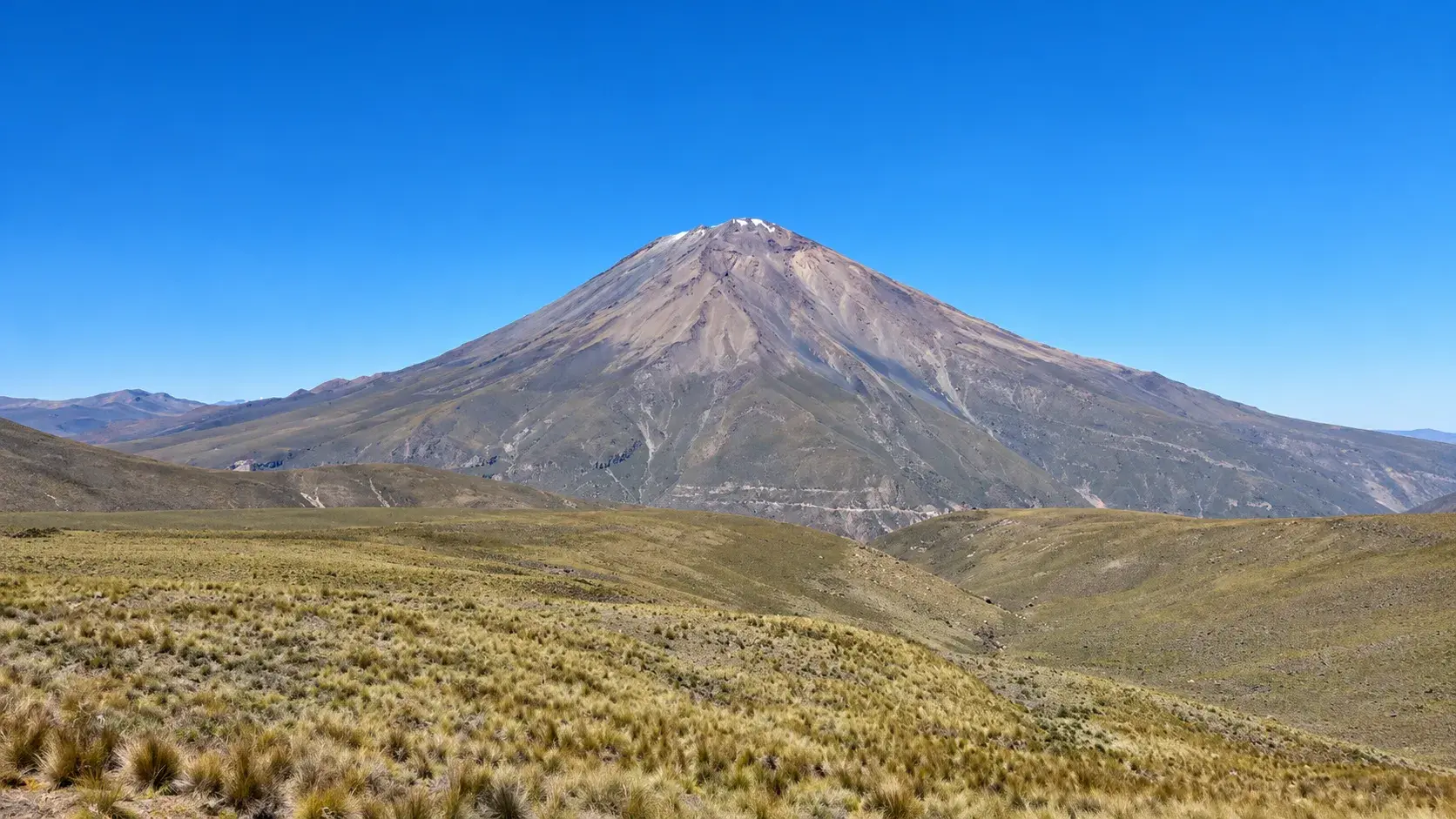
Arequipa’s white color isn’t paint: it’s volcanic stone. Discover the history, architecture, and Andean legacy of a heritage gem standing majestically at the foot of the Misti Volcano, serving as a key starting point in southern Peru.
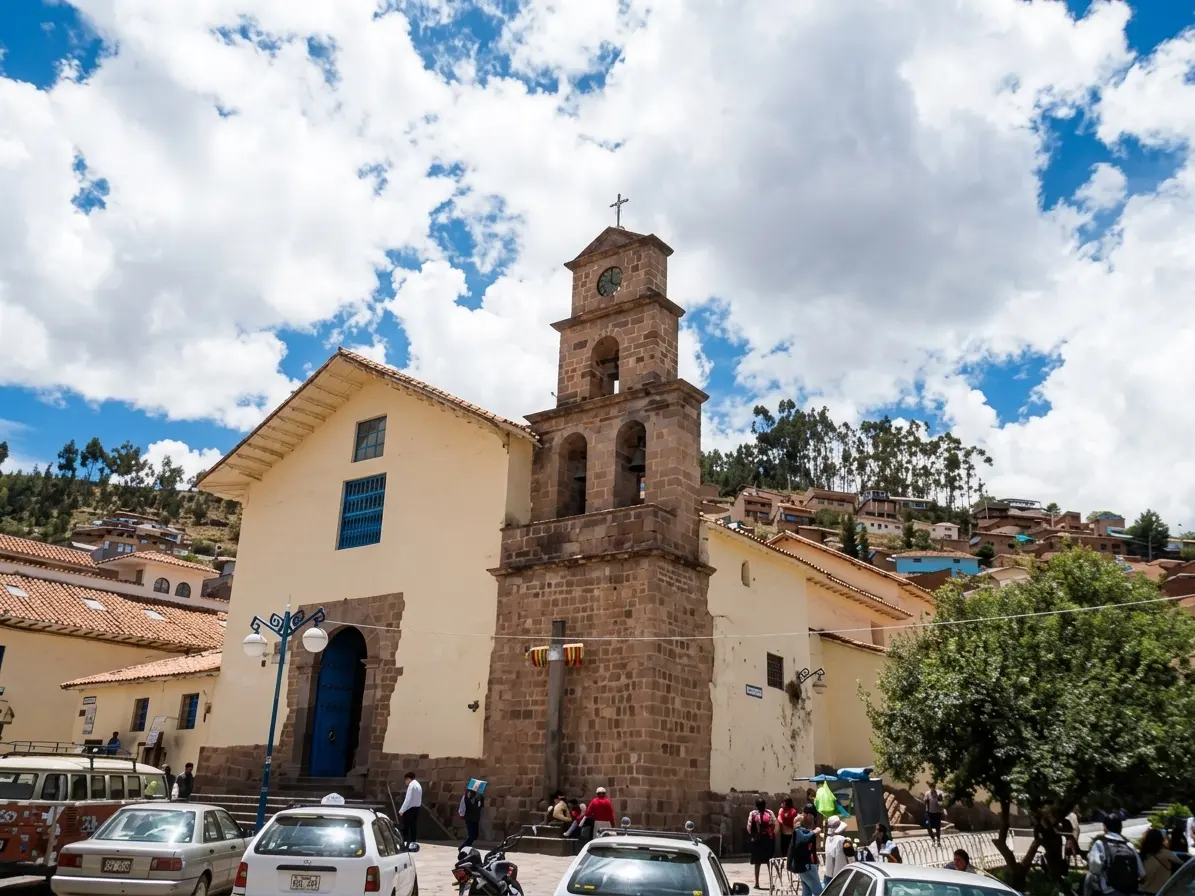
Explore the iconic San Blas neighborhood in Cusco, known as the "Balcony of Cusco" and home to Peru's finest artisans. Discover its rich history from Inca times, how to walk from Plaza de Armas past the 12-Angled Stone, its famous art galleries (Mendívil and Mérida families), panoramic viewpoint, San Blas Church, and Saturday craft market. Plan your walking tour with Inca World Travel.
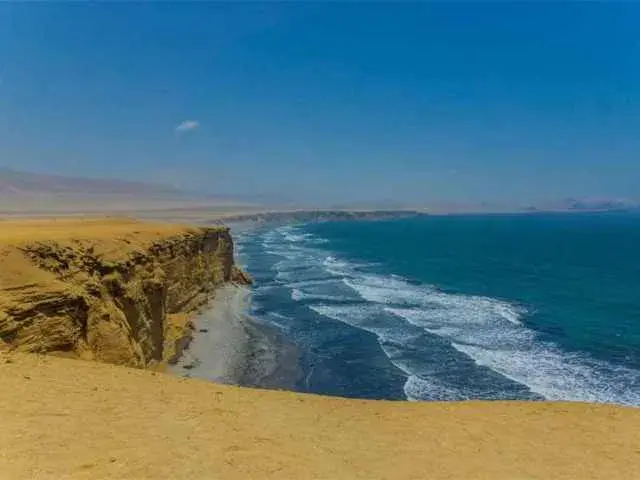
Planning a trip to Ica? Discover the top tourist attractions in Ica, Peru: the iconic Huacachina Oasis, Paracas National Reserve, enigmatic Nazca Lines, the Pisco Route, and Canyon of the Lost. Find key details on location, how to get there from Lima or Cusco, travel times, weather, and top regional museums in this comprehensive travel guide by Inca World Travel.
Are you planning to visit
Machu Picchu in 2026?
We would like to inform our travelers that availability for Circuit 1 and 2 for the months of November, December and January is at 85% of capacity. We recommend booking at least 3 months in advance.
New Circuits and Routes
The Ministry of Culture has consolidated the three main tours. As of 2026, Tour 2 (The Royal Route) remains the only one that allows visitors to take the classic photo from the Guardian’s House. We have adapted all our packages to ensure this access.
Digital Check-In and Biometric Verification
Say goodbye to long check-in lines! Starting this season, entry is faster thanks to the new digital check-in system. Our packages include full management of your personalized tickets to prevent errors on the state platform.
| Circuit | Ideal for... | Clasic photo | Difficulty |
|---|---|---|---|
| Circuit 1 (Panoramic) | High views and photo posts | Yes | Low |
| Circuit 2 (Andean) | Complete circuit through the ruins | Yes | Medium |
| Circuit 3 (Reality) | Persons or reduced movement | No | Very low |
Ask about our Machu Picchu packages
Explore the best of our land
Explore the breathtaking diversity of the Central Andes. From ancient archaeological wonders and surreal high-altitude landscapes to world-class gastronomy and Amazonian adventures, our updated 2026 guides showcase the very best of this premier global destination.