
Copacabana
Know more about Copacabana
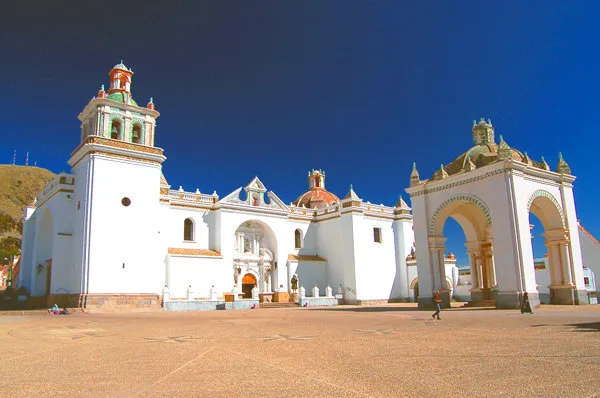
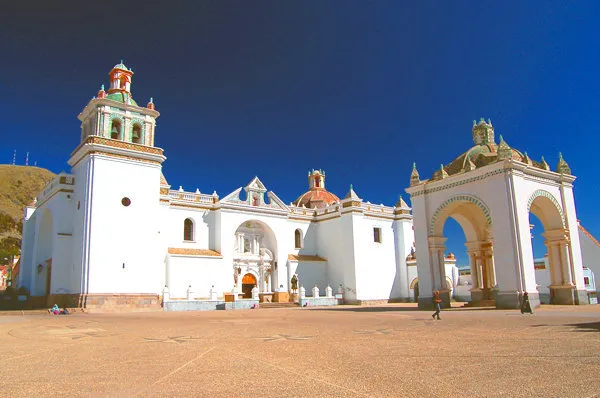
Nestled between the Niño Calvario and Kesanani hills, Copacabana is the tourist jewel on the shores of Lake Titicaca in Bolivia. This picturesque town is famous for its imposing Basilica of the Virgin of Candelaria, a center of faith that attracts thousands of pilgrims every year. It is the ideal starting point for sailing to the mystical Sun and Moon Islands, where the lake's natural beauty merges with the living heritage of the Inca civilization.
Faith, Andean Landscapes, and Sacred Navigation
- El Calvario Hill: The most spectacular viewpoint in the region, perfect for watching sunsets over the vastness of the lake.
- Sun Island: Considered the birthplace of the sun by the Incas, filled with agricultural terraces and ancient palaces.
- Titicaca Beaches: A vibrant boardwalk where you can enjoy the famous lake trout and water recreational activities.
Best Time to Visit Copacabana
The dry season, from May to October, offers the clearest skies and perfect visibility of the Cordillera Real (50°F to 61°F). During Easter and August 5th, the town transforms into a festival of folklore and religious devotion unique to the highlands.
See more
See less
Nestled between the Niño Calvario and Kesanani hills, Copacabana is the tourist jewel on the shores of Lake Titicaca in Bolivia. This picturesque town is famous for its imposing Basilica of the Virgin of Candelaria, a center of faith that attracts thousands of pilgrims every year. It is the ideal starting point for sailing to the mystical Sun and Moon Islands, where the lake's natural beauty merges with the living heritage of the Inca civilization.
Faith, Andean Landscapes, and Sacred Navigation
- El Calvario Hill: The most spectacular viewpoint in the region, perfect for watching sunsets over the vastness of the lake.
- Sun Island: Considered the birthplace of the sun by the Incas, filled with agricultural terraces and ancient palaces.
- Titicaca Beaches: A vibrant boardwalk where you can enjoy the famous lake trout and water recreational activities.
Best Time to Visit Copacabana
The dry season, from May to October, offers the clearest skies and perfect visibility of the Cordillera Real (50°F to 61°F). During Easter and August 5th, the town transforms into a festival of folklore and religious devotion unique to the highlands.
The tours our customers prefer in Copacabana
Discover the ultimate itineraries and travel packages in Copacabana. Embark on a true adventure with our expert guides and experience the authentic soul of the Central Andes.
The Sun Island - City Tour Copacabana
Explore one of the most sacred sites of the Inca Empire, the Island of the Sun in the waters of Lake Titicaca. Get informed and book with total security to visit this mystical site where the Incas traced their mythological origin today. Take advantage of our exclusive offers and marvel at its bewitching natural beauty while touring ancient temples and unique sacred sites. Puno awaits you with an unforgettable spiritual adventure on the world's highest navigable lake with expert local guides!
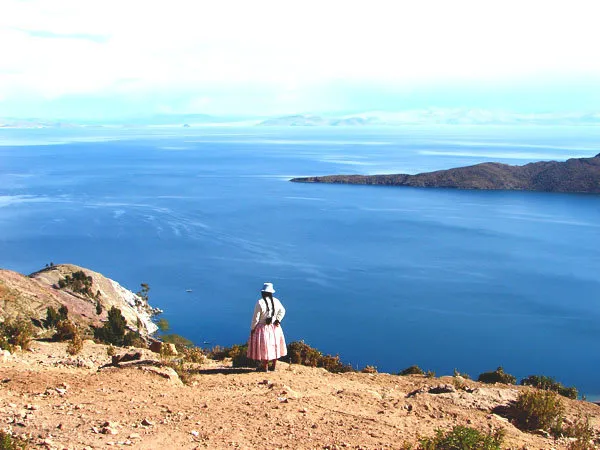
Full-Day Copacabana & Sun Island
Discover Copacabana and the Island of the Sun, the main attraction of La Paz, on an unforgettable Full Day tour across Lake Titicaca. Get informed and book with total security to visit the sacred site where the Incas traced their mythological origin today. Take advantage of our exclusive offers and marvel at the beauty of the Cordillera Real while touring ancient temples and the famous Fountain of Youth. Bolivia awaits you with a spiritual adventure and spectacular landscapes with expert guides!
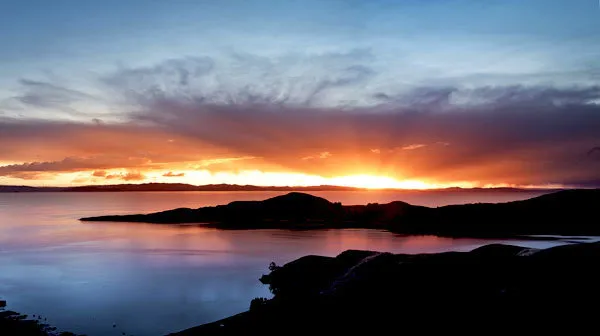
Copacabana & Southern Sun Island
Visit the sacred Pilcocaina Ruins and descend the ancient Yumani Stairway on Lake Titicaca's Island of Sun, the mythical origin site of the Incas, and tour picturesque Copacabana, visiting the Calvary and Copacabana Sanctuary, pilgrimage sites of yore which still maintain their draw today.
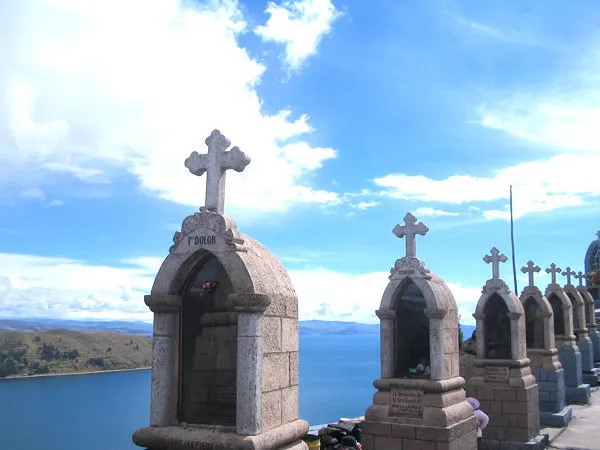
Southern Copacabana & Northern Sun Island
Discover the north and south of Sun Island and enjoy a night city tour in Copacabana today. Get informed and book with total security to uncover the mythological cradle of the Inca Empire at Lake Titicaca with Inca World Travel. Take advantage of our exclusive offers and marvel at the Pilkokaina Temple, the Fountain of Youth, and the Chinkana labyrinth. Bolivia awaits you with sacred landscapes, ancient history, and the best-guaranteed professional organization and expert local guides!
What you should know about - Copacabana
The geography of Copacabana is defined by its privileged location on a peninsula of Lake Titicaca, at 12,602 feet (3,841 meters) above sea level. The town stretches along a crescent-shaped bay, surrounded by rocky hills that offer natural protection against the cold winds of the Bolivian highlands.
Lacustrine Relief and Microclimate
- Thermoregulatory Effect: Titicaca's massive body of water softens extreme temperatures, allowing for a milder climate than other puna areas.
- Sacred Orography: The relief is marked by sacred hills like the Horca del Inca, geological formations used as ancient astronomical observatories.
- Territorial Connection: Its peninsular geography closely connects it to the Peruvian border, serving as a vital transit axis between Puno and La Paz.
Highland Ecosystems and Natural Resources
The local geography is rich in Andean flora, with totora reeds and ichu grass being predominant. The crystal-clear waters surrounding the peninsula house unique biodiversity, while the hillsides have been transformed over centuries into andenes (agricultural terraces) that utilize the slope for subsistence farming.
Take advantage of the seasonal offers
Up to 35% Discount on selected packages
- Explore, Discover, and Fall in Love: Don’t just visit—immerse yourself in the soul of Peru.
- Feel Every Experience: We craft sensory itineraries designed to move you at every turn.
- Your Adventure Starts Today: Leave the logistics to us. With Inca World Travel, the journey of a lifetime begins now.
Contact us
Get to know more
about Inca World
At Inca World Travel, we ensure secure payments and efficient processes through advanced encryption. Experience a seamless, protected booking backed by top-tier international security standards.
20Y
Years of experience in the field of tourism.
156k
Clients satisfied with our services.
120+
Programs and services for tourists.
90+
Good commentary and reviews in TripAdvisor.
News, routes, and expert tips
Explore the latest from our Cusco travel blog. Get practical guides, Machu Picchu updates, and fresh trekking and culture recommendations. Everything you need to travel Cusco safely and stylishly in 2026. Your next Andean story starts here!
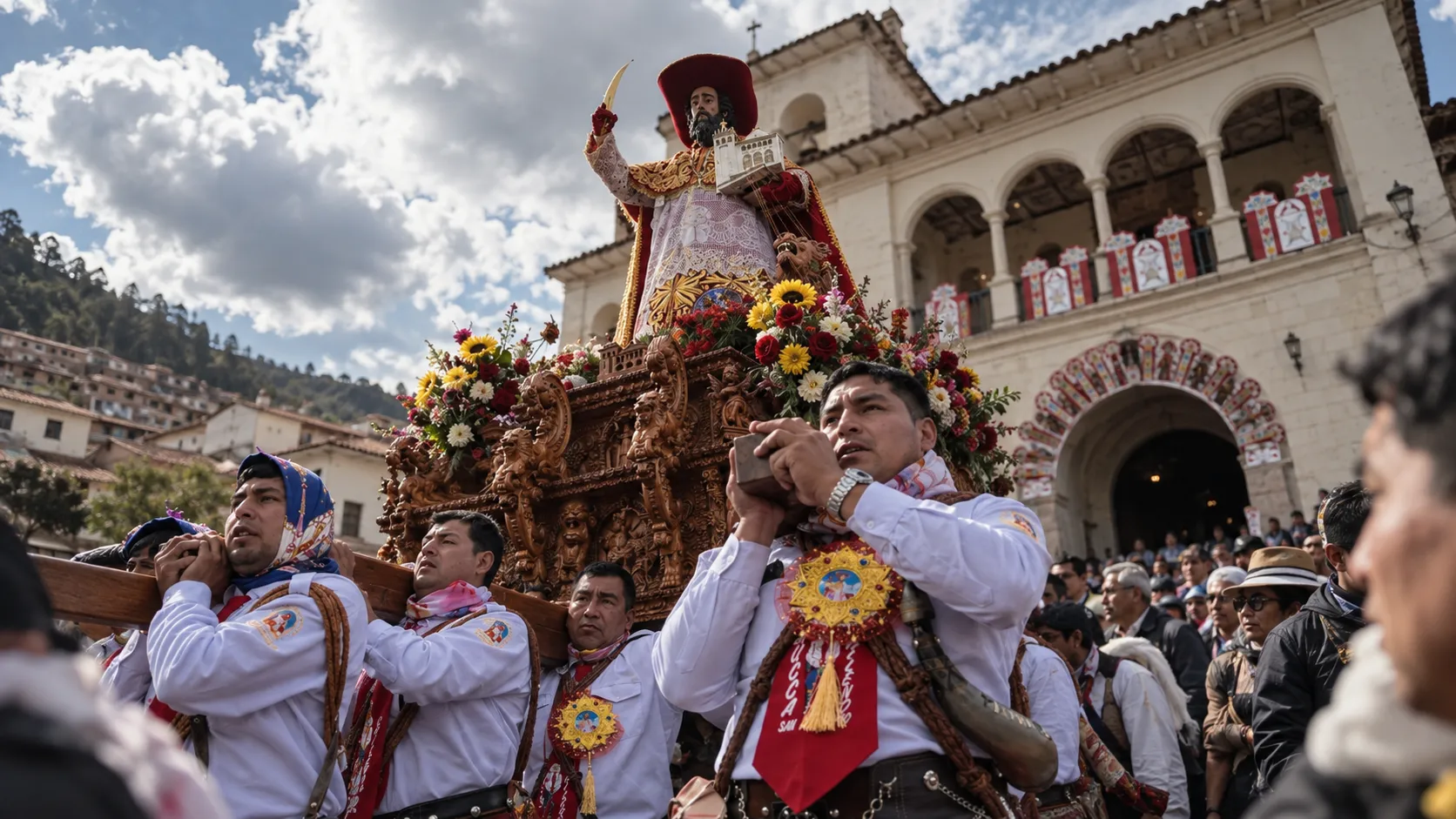
Just 11 kilometers from the Plaza de Armas, the historic district of San Jerónimo celebrates its patron saint every late September: 5 days of processions, 26+ dance troupes, a food fair, and a 16th-century church built on an Inca huaca. In 2016, it was declared Cultural Heritage of the Nation. Most tourists don't know it exists; many young locals don't either. This year it starts on Monday, September 28, with the main day on Wednesday 30.
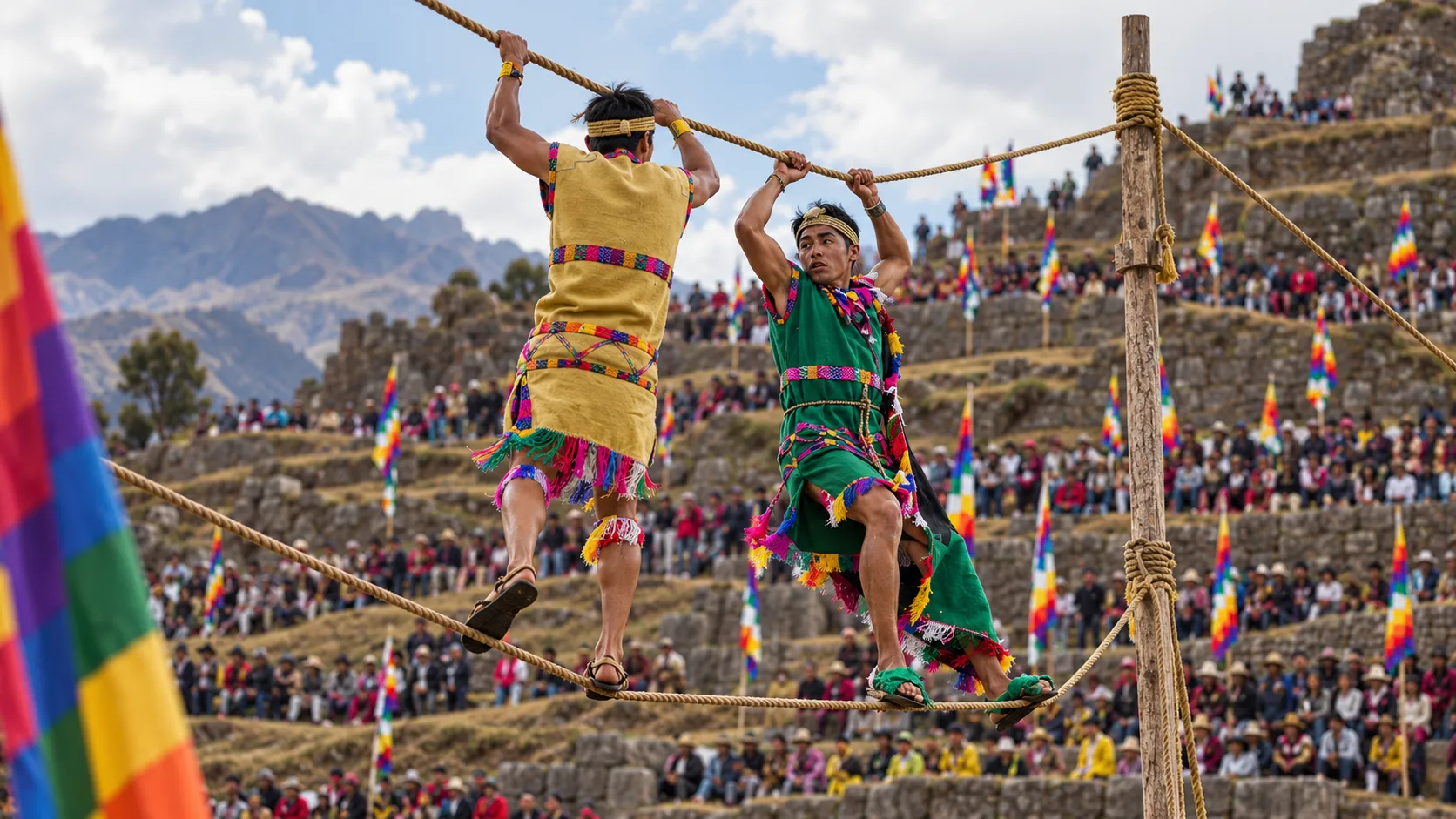
Third Sunday of September. 9 a.m. The pututos sound and 1,500 students from the National School of Sciences of Cusco set off in procession from their school to the Sacsayhuamán esplanade. They are going to compete — for real — in speed, strength, and endurance tests that replicate those the Tahuantinsuyo used to determine who was ready for adulthood. It is not a choreography. It is the Warachicuy, and in 2025 it was declared a Cultural Interest.
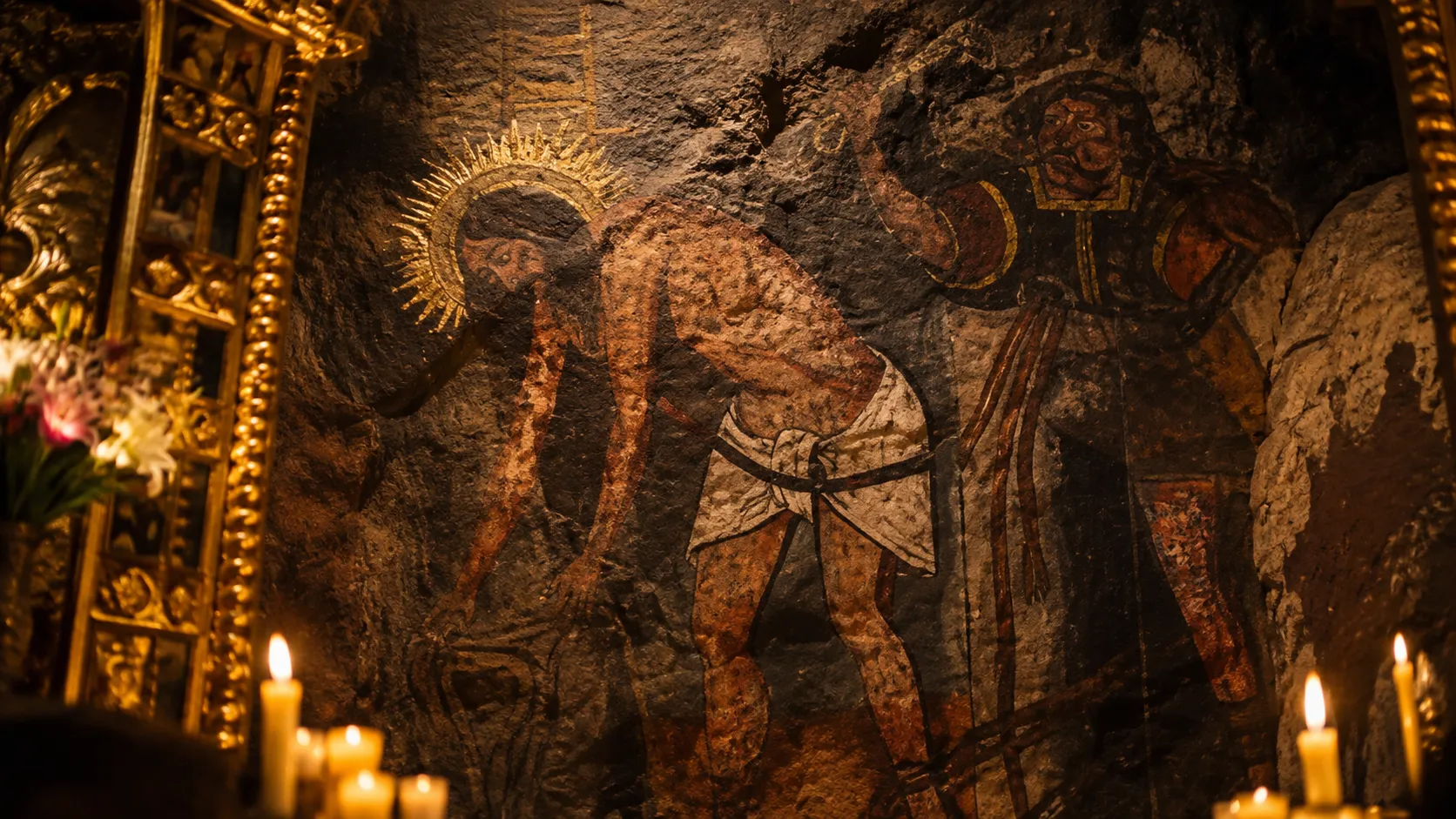
Every September 14, thousands of people walk 48 kilometers from the city of Cusco to the sanctuary of the Señor de Huanca, in the district of San Salvador, province of Calca, at 3,100 m.a.s.l. It is neither a tourist trekking trip nor an organized tour: it is a genuine pilgrimage that sets off at night from San Jerónimo and arrives at dawn on the main day. Here we explain the route, what it physical demands, and why this tradition continues to draw devotees from all over Peru and neighboring countries.