
Potosí
Know more about Potosí
Located at the foot of the legendary Cerro Rico, Potosí is one of the highest cities in the world and a universal symbol of mining wealth. A UNESCO World Heritage site, this Bolivian city preserves an impressive historic center filled with baroque churches and colonial mansions. It is the ideal destination for those wishing to dive into the history of silver and understand the impact this city had on the global economy for centuries.
Living History and Colonial Architecture
- Casa de la Moneda: One of the most important museums in the Americas, where the coins that circulated worldwide were minted.
- Cerro Rico: The most famous silver mountain in history, where it is still possible to take experiential mining tours.
- Santa Teresa Convent: A jewel of religious architecture with one of the region's most valuable collections of sacred art.
Best Time to Visit Potosí
The best time to visit Potosí is from May to October (Dry Season), with clear skies and intense sunshine (50°F to 59°F). Be aware that nights are very cold, and the altitude (13,320 feet) requires prior acclimatization to fully enjoy the experience.
See more
See less
Located at the foot of the legendary Cerro Rico, Potosí is one of the highest cities in the world and a universal symbol of mining wealth. A UNESCO World Heritage site, this Bolivian city preserves an impressive historic center filled with baroque churches and colonial mansions. It is the ideal destination for those wishing to dive into the history of silver and understand the impact this city had on the global economy for centuries.
Living History and Colonial Architecture
- Casa de la Moneda: One of the most important museums in the Americas, where the coins that circulated worldwide were minted.
- Cerro Rico: The most famous silver mountain in history, where it is still possible to take experiential mining tours.
- Santa Teresa Convent: A jewel of religious architecture with one of the region's most valuable collections of sacred art.
Best Time to Visit Potosí
The best time to visit Potosí is from May to October (Dry Season), with clear skies and intense sunshine (50°F to 59°F). Be aware that nights are very cold, and the altitude (13,320 feet) requires prior acclimatization to fully enjoy the experience.
The tours our customers prefer in Potosí
Discover the ultimate itineraries and travel packages in Potosí. Embark on a true adventure with our expert guides and experience the authentic soul of the Central Andes.
Uyuni Salt Flats Full Day Tour
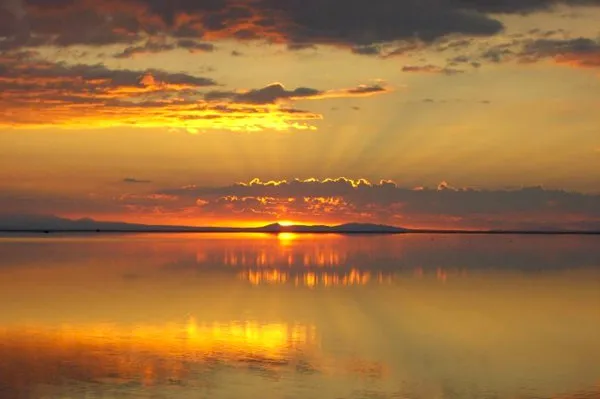
Book our 1-Day Salar de Uyuni Tour now and discover the highest and largest salt flat in the world today. Get informed and travel with total security on a Full Day excursion perfect for travelers with limited time in Bolivia. Take advantage of our exclusive offers and explore in a 4x4 Jeep the impressive train cemetery, islands with extreme vegetation, and the most famous salt mirror in the highlands. Potosi awaits you with incomparable landscapes and the best-guaranteed professional organization and expert local guides!
Uyuni Salt Flats
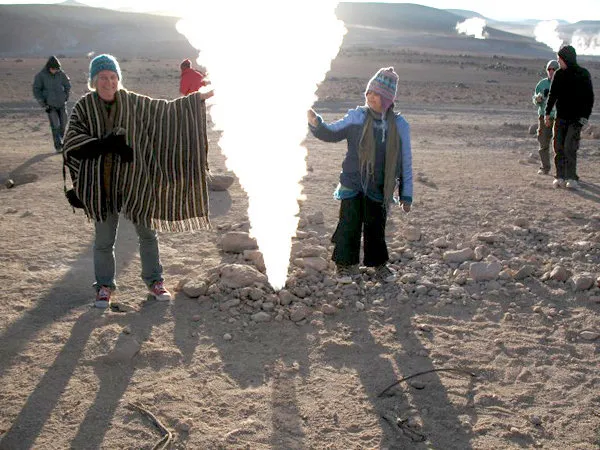
Enjoy a 3-day journey through the Salar de Uyuni and the Eduardo Abaroa Reserve to discover Bolivia's most stunning destinations today. Get informed and book with total security to explore colored lagoons, geysers, and the mystical Siloli Desert with Inca World Travel. Take advantage of our exclusive offers and marvel at pink flamingos, giant cacti, and surreal geological formations. Uyuni awaits you with unforgettable landscapes, natural hot springs, and the best-guaranteed professional organization and expert local guides for your journey!
What you should know about - Potosí
The geography of Potosí is marked by its location on the Altiplano of the Andes Mountains, at an impressive altitude of 13,320 feet (4,060 meters). The city sits in an area of irregular topography, dominated by the majestic, conical presence of Sumaj Orcko (Cerro Rico), which rises to 15,689 feet above sea level.
Relief and High Mountain Climate
- Orography: The landscape is typically Andean, with mineral-rich soils and rocky formations surrounding the urban core.
- Frigid and Dry Climate: Potosí has a tundra climate; rains are scarce and concentrated in summer, while the rest of the year the air is extremely dry.
- Water Resources: The geography allowed for the creation of a complex system of artificial lagoons (Kari Kari) in the 16th century, a masterpiece of hydraulic engineering for mining.
Highland Ecosystems and Biodiversity
Due to its altitude, vegetation is sparse and consists mainly of cold-resistant species like ichu and thola. However, in the surroundings of the Potosí region, amazing ecosystems like the Uyuni Salt Flat and colored lagoons can be found, where geography creates surreal landscapes that serve as a refuge for Andean flamingos and wild camelids.
Take advantage of the seasonal offers
Up to 35% Discount on selected packages
- Explore, Discover, and Fall in Love: Don’t just visit—immerse yourself in the soul of Peru.
- Feel Every Experience: We craft sensory itineraries designed to move you at every turn.
- Your Adventure Starts Today: Leave the logistics to us. With Inca World Travel, the journey of a lifetime begins now.
Contact us
Get to know more
about Inca World
At Inca World Travel, we ensure secure payments and efficient processes through advanced encryption. Experience a seamless, protected booking backed by top-tier international security standards.
20Y
Years of experience in the field of tourism.
156k
Clients satisfied with our services.
120+
Programs and services for tourists.
90+
Good commentary and reviews in TripAdvisor.
News, routes, and expert tips
Explore the latest from our Cusco travel blog. Get practical guides, Machu Picchu updates, and fresh trekking and culture recommendations. Everything you need to travel Cusco safely and stylishly in 2026. Your next Andean story starts here!
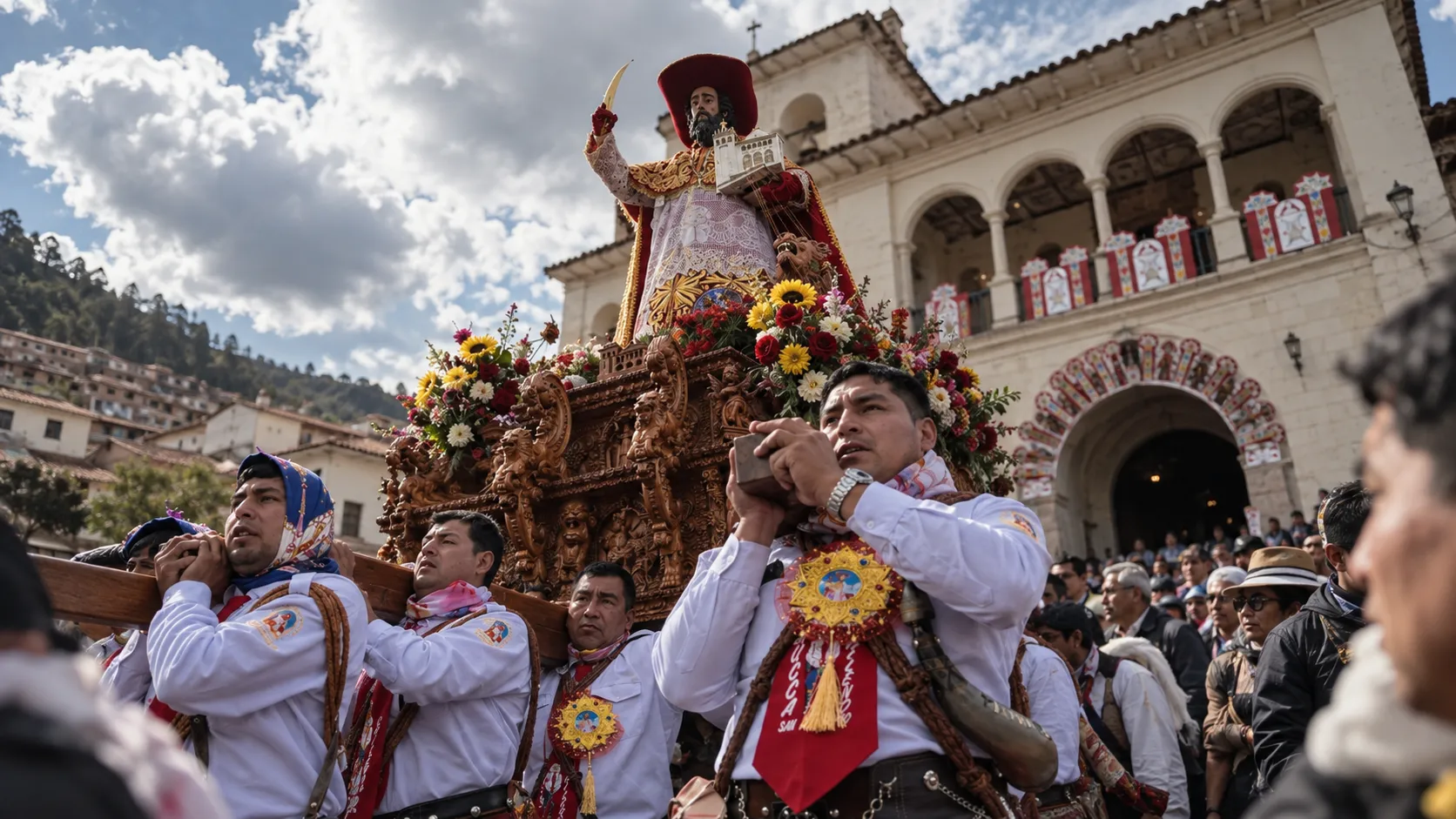
Just 11 kilometers from the Plaza de Armas, the historic district of San Jerónimo celebrates its patron saint every late September: 5 days of processions, 26+ dance troupes, a food fair, and a 16th-century church built on an Inca huaca. In 2016, it was declared Cultural Heritage of the Nation. Most tourists don't know it exists; many young locals don't either. This year it starts on Monday, September 28, with the main day on Wednesday 30.
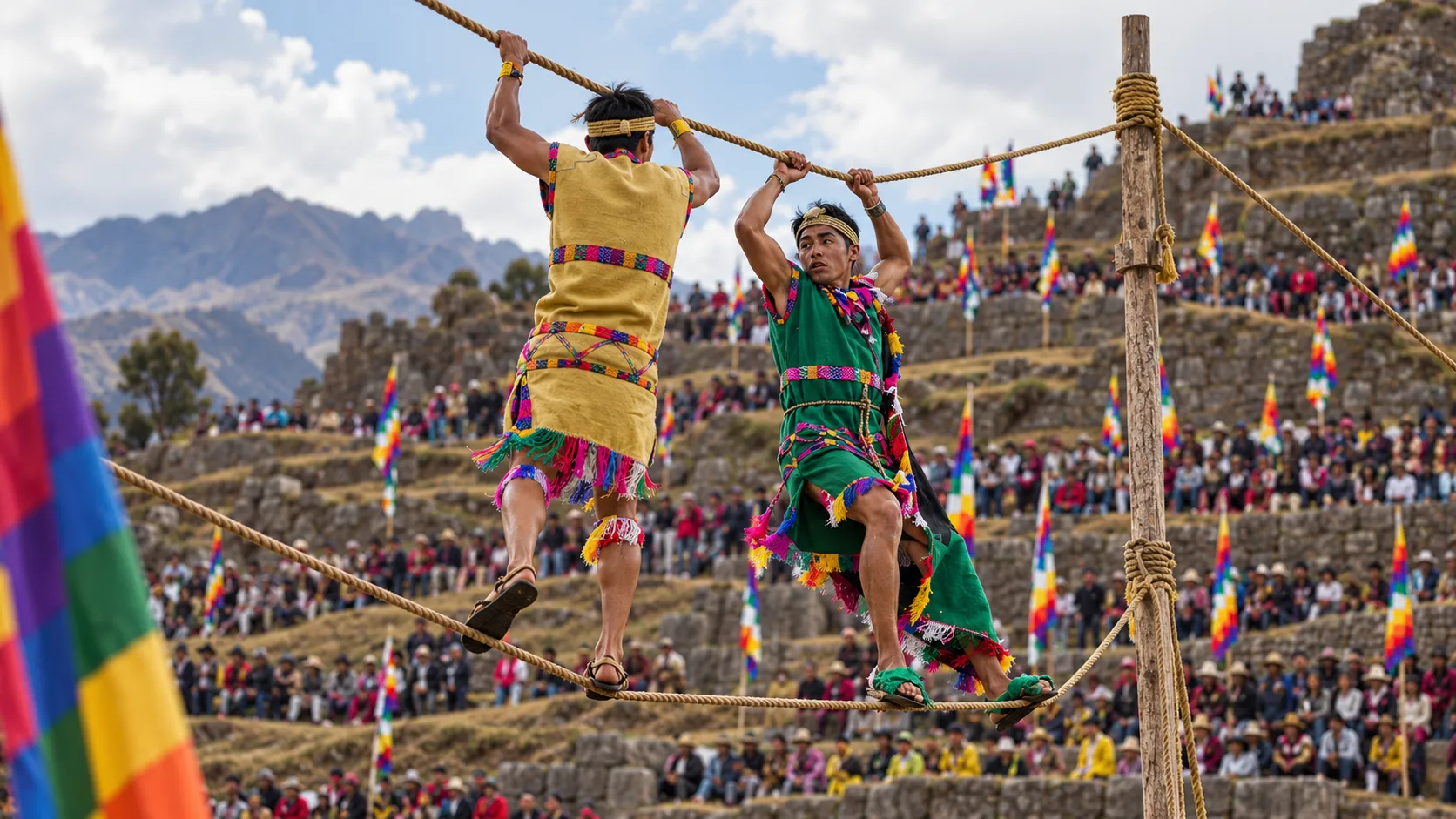
Third Sunday of September. 9 a.m. The pututos sound and 1,500 students from the National School of Sciences of Cusco set off in procession from their school to the Sacsayhuamán esplanade. They are going to compete — for real — in speed, strength, and endurance tests that replicate those the Tahuantinsuyo used to determine who was ready for adulthood. It is not a choreography. It is the Warachicuy, and in 2025 it was declared a Cultural Interest.
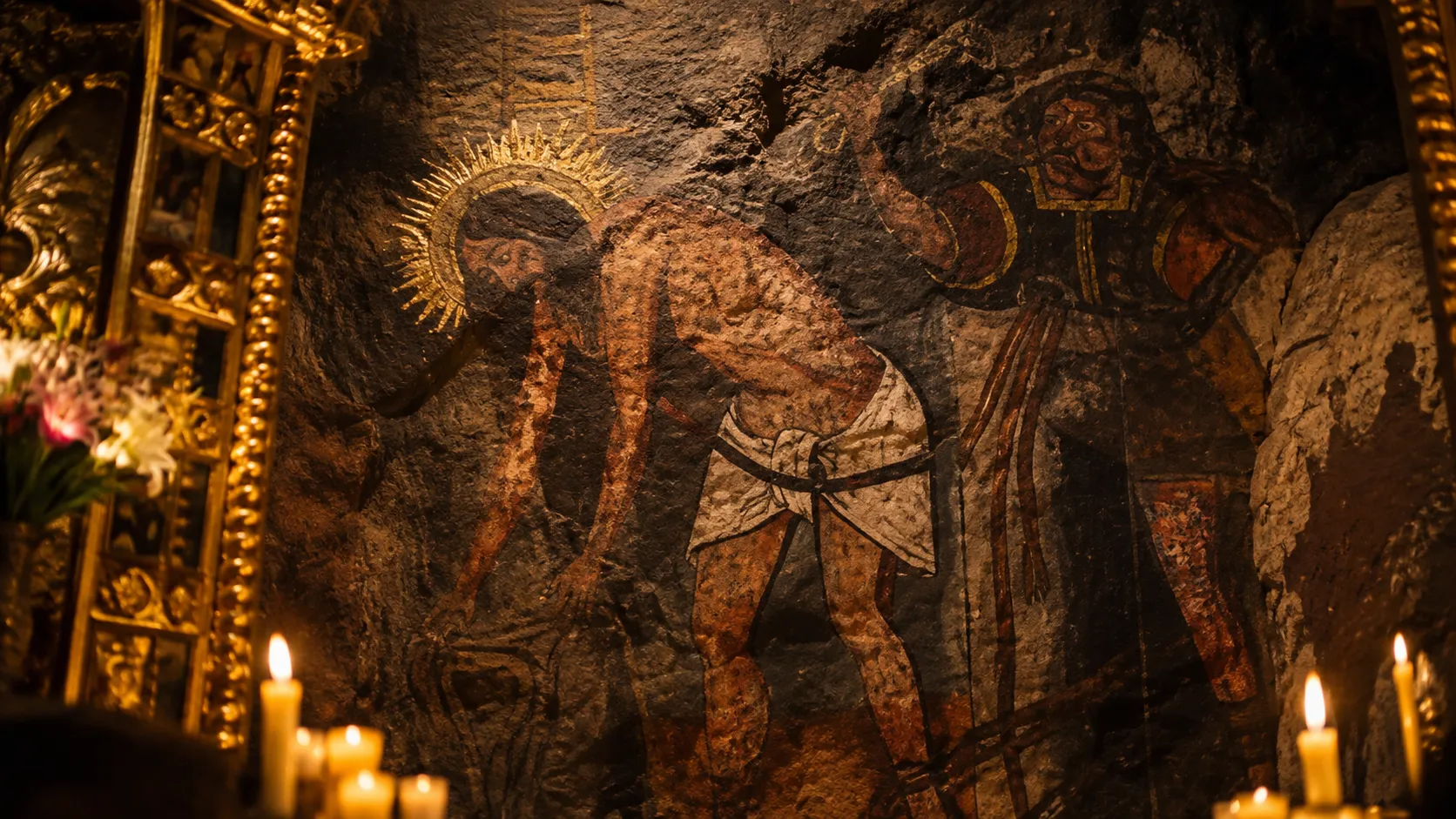
Every September 14, thousands of people walk 48 kilometers from the city of Cusco to the sanctuary of the Señor de Huanca, in the district of San Salvador, province of Calca, at 3,100 m.a.s.l. It is neither a tourist trekking trip nor an organized tour: it is a genuine pilgrimage that sets off at night from San Jerónimo and arrives at dawn on the main day. Here we explain the route, what it physical demands, and why this tradition continues to draw devotees from all over Peru and neighboring countries.