Divers excavating in Lake Titicaca for archeological remains

Uncovering the 2000 Year Old Underwater Ruins of Lake Titicaca

Divers excavating in Lake Titicaca for archeological remains
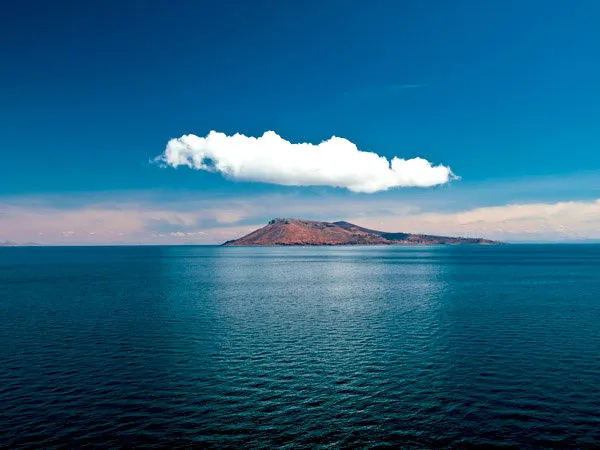
Expansive view of Lake Titicaca between Peru and Bolivia
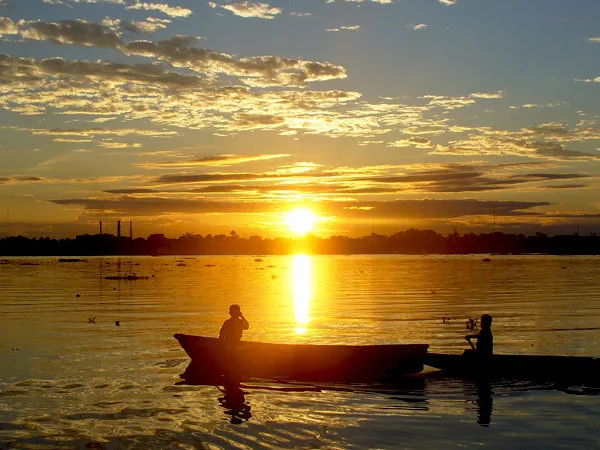
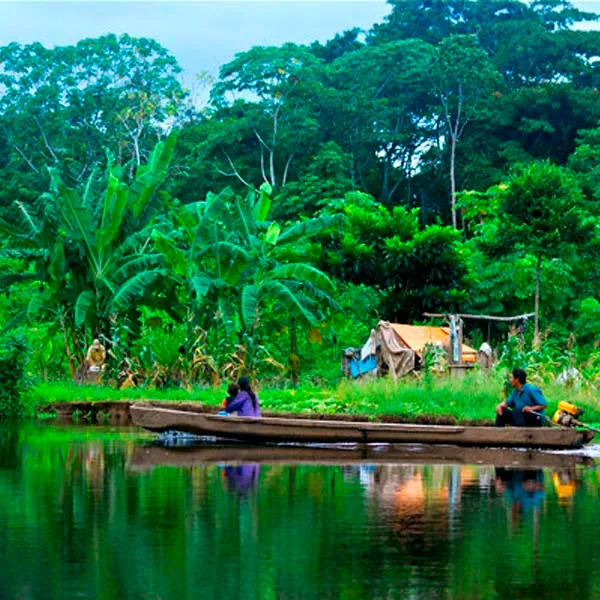
Traditional totora reed boats on Lake Titicaca

Sophisticated techniques of subaquatic archeology will be put to use for the first time in Lake Titicaca by the Bolivian Ministry of Culture and the Free University of Brussels joint project, Huiñamarca. The first immersions permitted the multinational team to locate and identify six submerged archeological sites and this June they'll begin excavating in hopes of uncovering trhe secrets hidden in remains from the pre-Columbian formative era, Tiahuanaco Kingdom, and Inca Empire.

Long-considered sacred by pre-Columbian cultures, Lake Titicaca stretches between Bolivia & Peru at 13,000 feet over sea level. This massive lake has seen the rise and fall of various cultures, from the formative era through the Kingdom of Tiahuanacu, Inca Empire and the Spanish colonial period. According to the Belgian and Bolivian researchers of the Huiñaimarca Project, its cold waters have protected the remains of these civilizations from light, oxygen, temperature flux, locals, and raiders for more than 2,000. The project, sponsored by the Ministry of Bolivian Cultures & the Free University of Brussels hopes to learn the secrets these remains can tell through a revolutionary plan of subaquatic archeology.

Belgian researcher Christopher Delaere indicated that these sophisticated subaquatic archeological excavation techniques are unprecedented in Bolivia (although they are already being employed throughout the Mediterranean). Delaere's co-director, Bolivian investigator Marcial Medina, has added that Huiñaimarca is "the first bi-national attempt to investigate with techniques and methodology in accordance with 21st century scientific needs."

A score of Belgian, Bolivian, Peruvian, Spanish, French, and Italian archeologists, mostly divers specialized in subaquatic archeology, will vacuum the lake's sediment layer by layer and use sounding and stratigraphic stripping to investigate numerous pre-Columbian coastal sites, especially of the Tiahuanaco culture, which are currently underwater.

The first stage of excavation is slated for June and July of this year, although the project officially launched in April 2012 with geophysical surveying. This past February, the first immersions permitted the team to locate and identify six submerged archeological sites in what is known as the lago menor (the lake's smaller sub-basin, connected to the larger sub-basin only by the narrow Tiquina Strait; it's also known as Wiñaymarka). Dalaere announced the discovery of residential and ceremonial structures as well as agricultural terraces. "There are almost 600 km2 of territory of the Tahuanaco culture within the water," he confided, findings expected to confirm the models of historical fluctuations of Titicaca carried out by the Belgian university.

The project is slated to last three years and will have to confront a host of difficulties from equipment availability to altitude. "Diving there at a depth of 10 meters is like diving at 20 meters in Europe, which reduces the immersion time by half", explained Delaere. Between sponsors and a planned documentary, they hope to cover the 78.000 EU estimated cost, which includes the cost of bringing the necessary equipment to Bolivia. "Latin America is, still, a unexplored magical world, where myths are lived and felt in all of the communities which do not have frequent contact with the large cities", said Medina.
Sophisticated techniques of subaquatic archeology will be put to use for the first time in Lake Titicaca by the Bolivian Ministry of Culture and the Free University of Brussels joint project, Huiñamarca. The first immersions permitted the multinational team to locate and identify six submerged archeological sites and this June they'll begin excavating in hopes of uncovering trhe secrets hidden in remains from the pre-Columbian formative era, Tiahuanaco Kingdom, and Inca Empire.

Long-considered sacred by pre-Columbian cultures, Lake Titicaca stretches between Bolivia & Peru at 13,000 feet over sea level. This massive lake has seen the rise and fall of various cultures, from the formative era through the Kingdom of Tiahuanacu, Inca Empire and the Spanish colonial period. According to the Belgian and Bolivian researchers of the Huiñaimarca Project, its cold waters have protected the remains of these civilizations from light, oxygen, temperature flux, locals, and raiders for more than 2,000. The project, sponsored by the Ministry of Bolivian Cultures & the Free University of Brussels hopes to learn the secrets these remains can tell through a revolutionary plan of subaquatic archeology.

Belgian researcher Christopher Delaere indicated that these sophisticated subaquatic archeological excavation techniques are unprecedented in Bolivia (although they are already being employed throughout the Mediterranean). Delaere's co-director, Bolivian investigator Marcial Medina, has added that Huiñaimarca is "the first bi-national attempt to investigate with techniques and methodology in accordance with 21st century scientific needs."

A score of Belgian, Bolivian, Peruvian, Spanish, French, and Italian archeologists, mostly divers specialized in subaquatic archeology, will vacuum the lake's sediment layer by layer and use sounding and stratigraphic stripping to investigate numerous pre-Columbian coastal sites, especially of the Tiahuanaco culture, which are currently underwater.

The first stage of excavation is slated for June and July of this year, although the project officially launched in April 2012 with geophysical surveying. This past February, the first immersions permitted the team to locate and identify six submerged archeological sites in what is known as the lago menor (the lake's smaller sub-basin, connected to the larger sub-basin only by the narrow Tiquina Strait; it's also known as Wiñaymarka). Dalaere announced the discovery of residential and ceremonial structures as well as agricultural terraces. "There are almost 600 km2 of territory of the Tahuanaco culture within the water," he confided, findings expected to confirm the models of historical fluctuations of Titicaca carried out by the Belgian university.

The project is slated to last three years and will have to confront a host of difficulties from equipment availability to altitude. "Diving there at a depth of 10 meters is like diving at 20 meters in Europe, which reduces the immersion time by half", explained Delaere. Between sponsors and a planned documentary, they hope to cover the 78.000 EU estimated cost, which includes the cost of bringing the necessary equipment to Bolivia. "Latin America is, still, a unexplored magical world, where myths are lived and felt in all of the communities which do not have frequent contact with the large cities", said Medina.
News, routes, and expert tips

Explore the latest from our Cusco travel blog. Get practical guides, Machu Picchu updates, and fresh trekking and culture recommendations. Everything you need to travel Cusco safely and stylishly in 2026. Your next Andean story starts here!

Inca World Traveñ 48 km on foot: How to reach the Señor de Huanca in Cusco

Every September 14, thousands of people walk 48 kilometers from the city of Cusco to the sanctuary of the Señor de Huanca, in the district of San Salvador, province of Calca, at 3,100 m.a.s.l. It is neither a tourist trekking trip nor an organized tour: it is a genuine pilgrimage that sets off at night from San Jerónimo and arrives at dawn on the main day. Here we explain the route, what it physical demands, and why this tradition continues to draw devotees from all over Peru and neighboring countries.

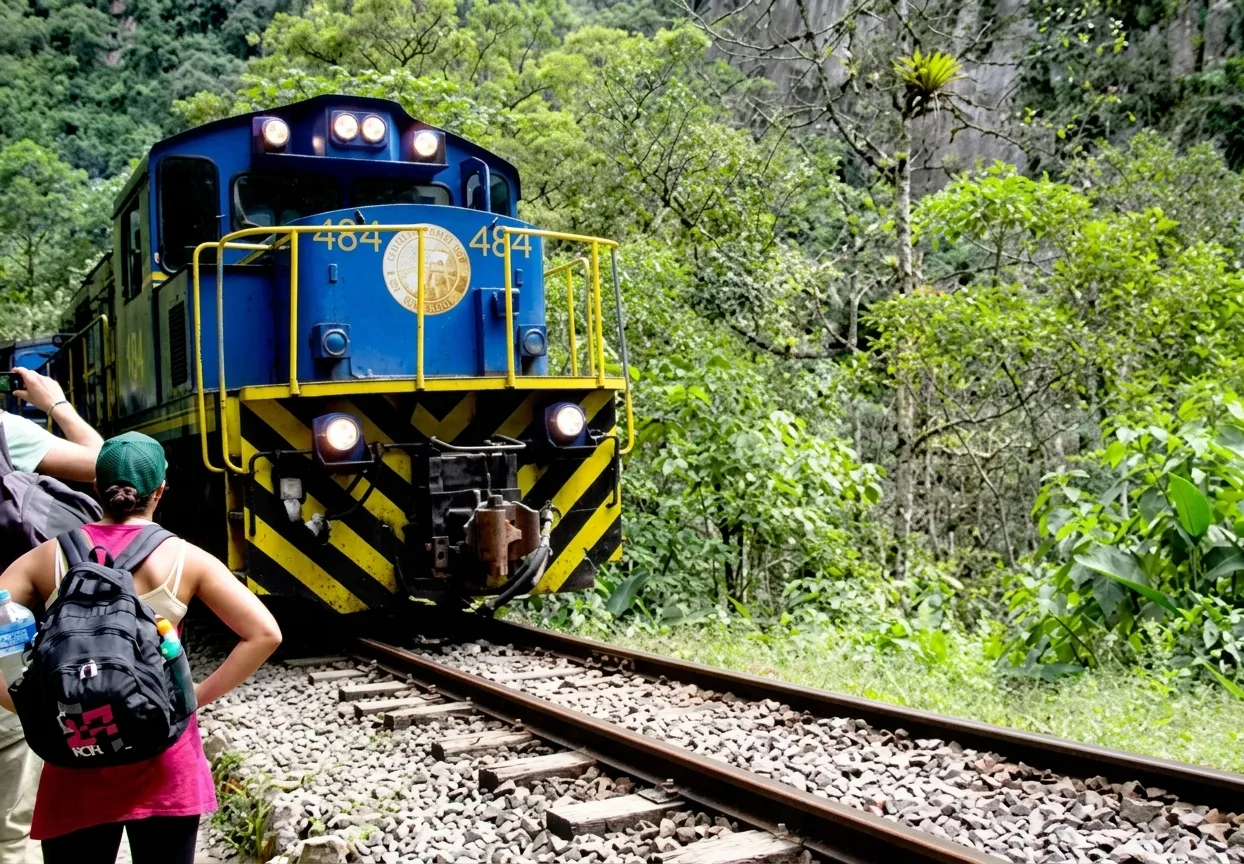
Carla Colon How to Get to Machu Picchu: Complete Guide by Train, Bus, or Hiking

Planning your trip to Peru? Discover the best ways to reach Machu Picchu from Cusco. Compare options by train, bus, budget routes, and legendary trekking trails like the Inca Trail and Salkantay.

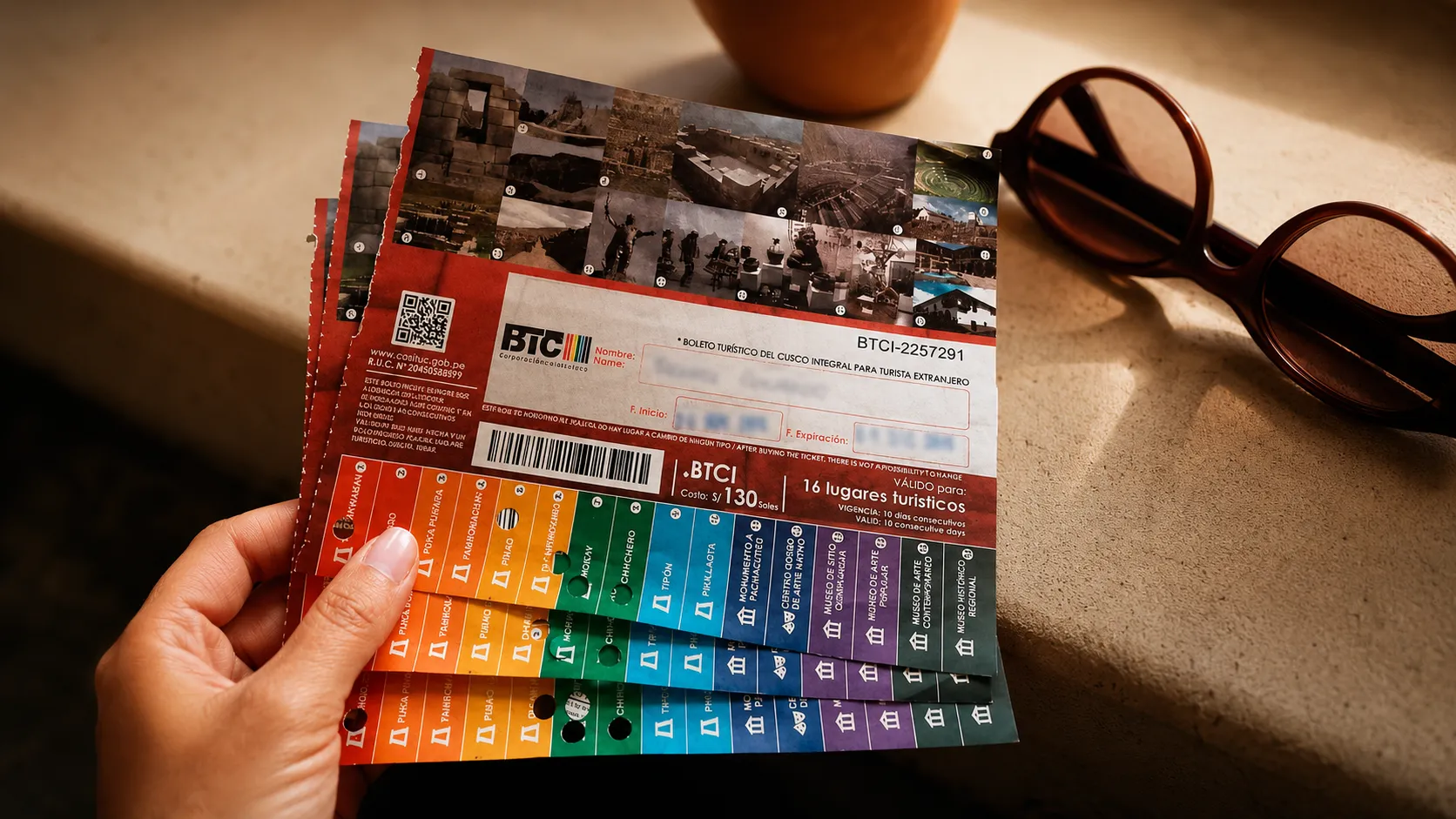
Inca World Travel Your ticket to Machu Picchu cannot be lent: What you need to know before the holiday

With the national holiday on August 6 (Battle of Junín) right around the corner, many travelers are organizing last-minute visits to Machu Picchu. Before buying, there is a rule that causes more trouble than it seems: the ticket is personal, unique, and non-transferable. Learn how this rule works at the checkpoint, why you cannot give your ticket away, and how to avoid inconveniences to enjoy your trip to the sanctuary with complete peace of mind.

Are you planning to visit
Machu Picchu in 2026?

We would like to inform our travelers that availability for Circuit 1 and 2 for the months of September, October and November is at 85% of capacity. We recommend booking at least 3 months in advance.

New Circuits and Routes

The Ministry of Culture has consolidated the three main tours. As of 2026, Tour 2 (The Royal Route) remains the only one that allows visitors to take the classic photo from the Guardian’s House. We have adapted all our packages to ensure this access.

Digital Check-In and Biometric Verification

Say goodbye to long check-in lines! Starting this season, entry is faster thanks to the new digital check-in system. Our packages include full management of your personalized tickets to prevent errors on the state platform.

Circuit Ideal for... Clasic photo Difficulty
Circuit 1 (Panoramic) High views and photo posts Yes Low
Circuit 2 (Andean) Complete circuit through the ruins Yes Medium
Circuit 3 (Reality) Persons or reduced movement No Very low

Ask about our Machu Picchu packages

Explore the best of our land

Explore the breathtaking diversity of the Central Andes. From ancient archaeological wonders and surreal high-altitude landscapes to world-class gastronomy and Amazonian adventures, our updated 2026 guides showcase the very best of this premier global destination.